

































































Using multiple composite scores to assess dietary quality, investigators use data from 9 NHANES cycles to provide an overview of the declining diet quality among older adults in the US from 2001-2018.
Using multiple composite scores to assess dietary quality, investigators use data from 9 NHANES cycles to provide an overview of the declining diet quality among older adults in the US from 2001-2018.

Sponsored Content
These free resources will help you learn all you need to know about about remote patient monitoring, a digital health solution that captures and records patient physiologic data outside of a traditional health care environment.

Lifestyle interventions had no statistically significant difference in reducing worsening glycemic status compared to usual care in women with gestational diabetes.

The use of GLP-1 receptor agonists was associated with lower all-cause mortality and lower sepsis- and infection-related mortality compared to DPP-4 inhibitors.

An analysis of data from more than 100k pregnant women suggests a history of spontaneous abortion was associated with an 18% increase in risk of subsequent gestational diabetes, with a history of multiple spontaneous abortions associated with an even greater risk.

Dr. Serge Jabbour led the panel in discussing emerging treatments for type 2 diabetes.

Dr. Granger discusses the current underuse of these agents and the steps cardiologists need to take to increase prescription rates and uptake for patients.

A cross-sectional study of more than 70k women suggests those with long or irregular menstrual cycles were at a 22% greater risk of NAFLD.

Announced on March 1, the Breakthrough Device Designation from the FDA allows for use of Dexcom CGM technology in in-hospital settings and at other healthcare facilities.

General progress has been made in decreasing diabetes mortality at ages younger than 25 years, but challenges remain in low and low-middle SDI countries.

Each month, our editorial staff compiles a month in review highlighting the most popular content from the past month. February's month in review features a pair of diabetes tech approvals from the FDA, a video program, and a KOL interview discussing rising death toll attributable to diabetes.
Announced by Reata Pharmaceuticals on February 25, the Complete Response Letter from the FDA for bardoxolone methyl comes a little over 2 months after an FDA advisory committee voted unanimously against approval of the once-daily, orally administered activator of Nrf2.

New research suggests pregnancies conceived with assisted reproductive technology were associated with a more than doubling in risk for acute kidney injury.

Obesity was added to the list of risk factors for influenza in 2009.

An analysis of data from more than 16,000 patients demonstrates the added benefit interventions delivered in primary care settings can have on physical activity levels among adult patients.
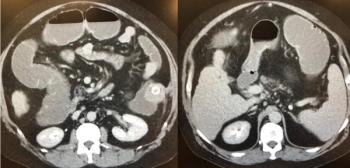
The latest case report from Brady Pregerson, MD, features a man in his 60s with a history of diabetes and cirrhosis presenting with 2 weeks of right upper quadrant pain with constipation and 2 days of vomiting. Can you determine the correct diagnosis?

The estimated mean change in body weight from baseline to week 68 was -13.2% in the semaglutide 2.4 mg group versus -2.1% in the placebo group.

Data from an analysis of more than 150,000 patients suggests increased BMI was associated with more than a 3-fold increase in odds of diabetic nephropathy in patients with type 2 diabetes, but this effect was more apparent in women who experienced a 14-fold increase in odds of diabetic nephropathy.
Announced on Feb. 18, the t:connect mobile app, which pairs with the t:slim X2 insulin pump, is the first-ever FDA-cleared smartphone application capable of initiating insulin delivery on both iOS and Android operating systems, according to Tandem Diabetes Care.

The percentage of time with glucose level in the target range was 8.7 percentage points higher during the closed-loop period compared to control.

A single-center retrospective analysis of data from an endocrinology clinic in Turkey provides insight into an apparent increase in diagnoses of idiopathic central precocious puberty.

An economic evaluation using a microsimulation model comparing Roux-en-Y gastric bypass, sleeve gastrectomy, and medical therapy for severe obesity in patients with type 2 diabetes suggests gastric bypass was the most cost-effective approach.

A systematic review and meta-analysis suggest approximately 20% of girls with type 2 diabetes also had polycystic ovary syndrome.
Announced on February 11, the approval for Eversense E3 continuous glucose monitoring system allows access to a CGM system with 6 months of longevity and is expected to be available beginning in the second quarter of 2022.

AN analysis of the UK Biobank cohort provides insight into the increased risk of cardiovascular disease associated with gestational diabetes, including a 69% increase in risk of stroke and 42% increase in risk of heart failure later in life.