






Endocrinology
Latest News
Advertisement
Latest Videos









CME Content




























































Advertisement
More News
Daily administration of AZP-3601 enabled 93% of patients to discontinue standard of care therapy and maintain target mean serum calcium.

A look at data from 1600 women with PCOS from Alabama and California provides new insight into regional differences in presentation of the disease, including an increased risk of excess hair and insulin resistance.
Data from the FLASH-UK trial, which compared FreeStyle Libre 2 against usual care for glycemic control in type 1 diabetes, provide evidence demonstrating improved glycemic control and time in target glucose range among users of the FreeStyle Libre 2 system.

Both drug classes would improve type 2 diabetes outcomes as first-line agents, but costs would be need to be reduced by at least 70% to be considered cost-effective.
Released on October 6, the joint consensus report from the ADA and EASD provides an overview of the benefits and safety concerns related to AID systems as well as offering a multitude of evidence-based recommendations on the subject.

Greater psychological resilience was associated with lower BMI, fewer hospitalizations, and greater mental QOL in the T2D population.

On October 4, the Endocrine Society announced the release of a 10-page policy perspective outlining guidance related to optimal use of telehealth in endocrine care, which was composed by a 9-member panel led by Varsha G. Vimalananda, MD, MPH.
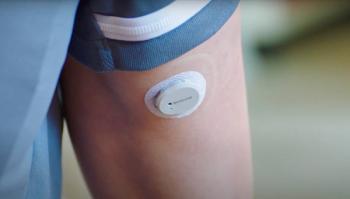
Dexcom announced their Dexcom G7 CGM system is now available for people aged 2 years or older in the UK, Ireland, Germany, Austria, and Hong Kong beginning on October 4, with plans for a rollout in New Zealand and South Africa.

100 years after the discovery of insulin, the T1D Index may provide a foundational understanding of what steps need to be taken to both improve lives and reduce the incidence of T1D.
With the launch of the T1D index, the global burden of the disease and its impact is better understood. Dr. Kowalski joins to dig deeper into its importance and his personal connection to T1D.

In this regularly scheduled September 2022 episode of Diabetes Dialogue: Therapeutics, Technology, & Real-World Perspectives, hosts Diana Isaacs, PharmD, and Natalie Bellini, DNP, provide their own perspective on DIY looping based on the results of a recent study published in the New England Journal of Medicine and also break down a new set of consensus recommendations for the use of automated insulin delivery (AID) systems in clinical practice published in Endocrine Reviews, which Isaacs helped compose as a member of the writing committee.

Our latest endocrine case report from Brady Pregerson, MD, features a person in their mid-70s with a history of obesity, hypertension, osteoporosis, and prior ankle surgery presenting to urgent care with right lateral foot pain ongoing for about 10 days. Can you determine the correct diagnosis?
Our endocrinology month in review spotlights the most popular content from the past month. Our top content from September 2022 includes new guideline recommendations from the ADA/EASD, new data on semaglutide 2.4 mg and tirzepatide, a label update for finerenone, & more!

Diabetes mortality rates in 2017-2018 compared with 1999-2000 were highest and unchanged in rural counties.

Announced on September 20, the alerts from the FDA and Medtronic notify users of a potential cybersecurity risk identified through internal testing at Medtronic that would allow unauthorized users to the pump's communication protocol, which could allow unauthorized boluses.

An analysis of nearly 15 years of follow-up data from 97 patients who underwent bariatric surgery during adolescence provides insight into the benefits of surgery on weight loss and comorbidities among those with severe obesity.

Study data suggest HbA1c level from diabetes diagnosis is a strong biomarker for PDR and nephropathy, with the prevalence of both increasing more than 30 years after diagnosis.

A retrospective analysis of EMR data from Mayo Clinic referral centers provides an overview of the effects of 2.4 mg semaglutide on weight loss in populations outside of clinical trial settings.

New research from a team at University of Texas Southwestern describes the impact of the COVID-19 pandemic on mental health and subsequent increases in body weight among people with obesity.

Lifestyle interventions increased weight-specific quality of life in Latino youth with diabetes compared with usual care.

People with diabetes in Italy and the UK reported the highest rates of anxiety at 63% and 51%, respectively.
On September 1, Bayer announced the US FDA had approved a label update for finerenone (Kerendia), which received initial approval in July 2021 for chronic kidney disease associated with type 2 diabetes, to include cardiovascular outcomes data from the FIGARO-DKD trial.

In his most recent column, Dr. Gregory Weiss provides perspective on recent data elucidating the links between insulin sensitivity, central adiposity, and atherosclerosis.

An analysis of more than 11 million women in China details associations between preconception thyroid dysfunction, measured as thyrotropin levels, and delayed time to pregnancy and risk of spontaneous abortion.

An analysis assessing the benefits of hybrid closed loop systems in patients with T1D has returned results suggesting improved glycemic control could help preserve neurological function among adolescents with type 1 diabetes.
Advertisement
Advertisement
Trending on HCPLive
1
ProACt Data Show Early Functional Gains with Adjunctive Cariprazine In MDD
2
Half-Life vs. Real Life: How Real-World Evidence Is Reframing Wet AMD Treatment
3
How the ASN's GD-C Compendium Aims to Unify Glomerular Disease Care
4
FDA Updates Sotatercept Label with HYPERION Data in Early PAH
5