


Endocrinology
Latest News
Advertisement
Latest Videos

CME Content




























































Advertisement
More News
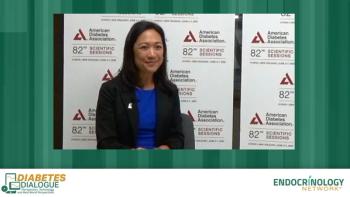
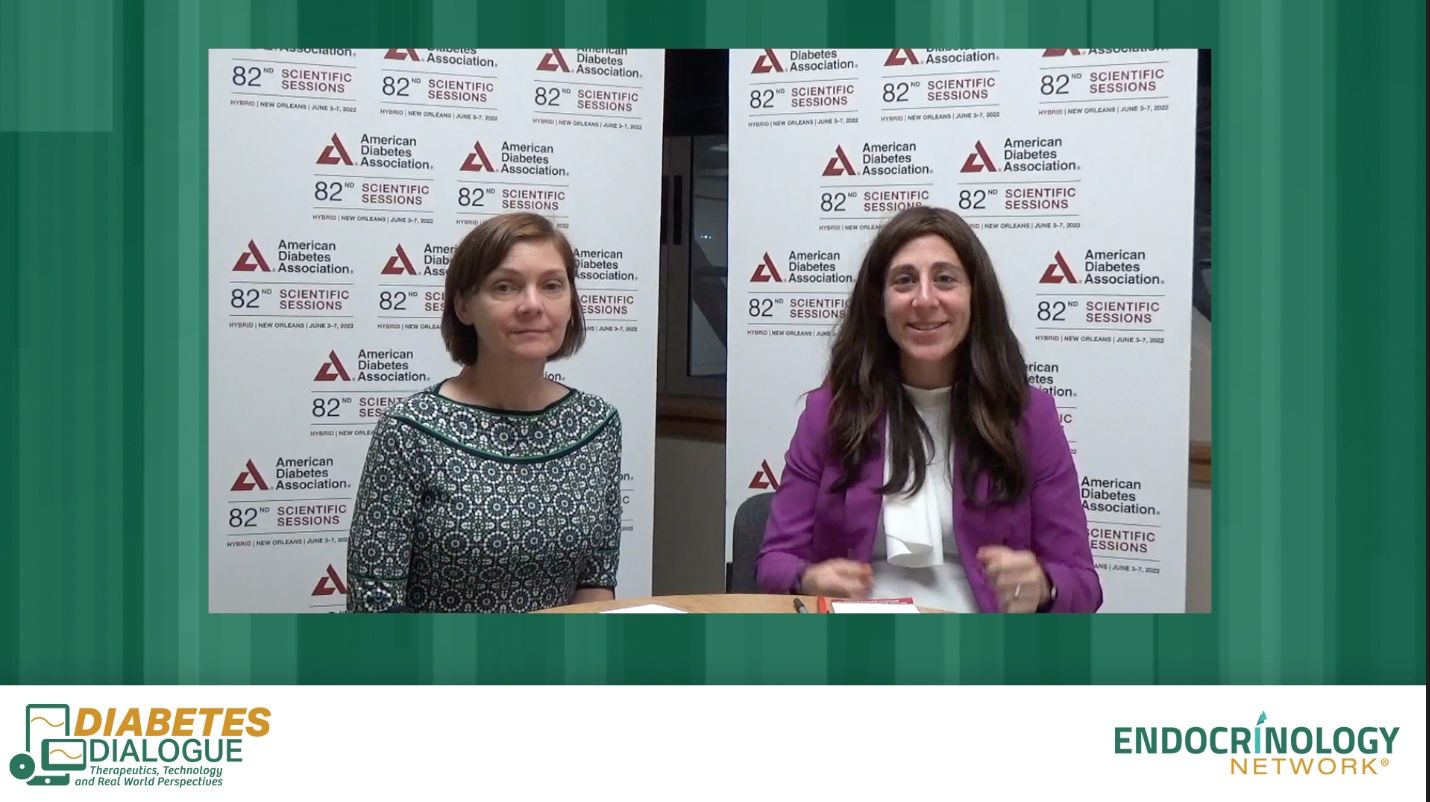
In the third special edition episode of Diabetes Dialogue: Therapeutics, Technology, & Real-World Perspectives from ADA 2022, Jasmine Gonzalvo, PharmD, joins hosts Diana Isaacs, PharmD, and Natalie Bellini, DNP, to discuss prevailing barriers in diabetes management, including access to new pharmacologic agents as well as newer diabetes technologies.
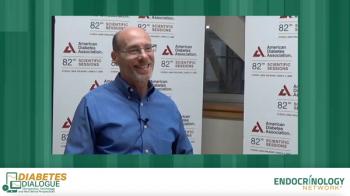
In our second special edition episode of Diabetes Dialogue: Therapeutics, Technology, & Real-World Perspectives from ADA 2022, hosts Drs. Diana Isaacs and Natalie Bellini are joined by Gary Scheiner, MS, CDE. Clinical director of Integrated Diabetes Services, author of multiple books, including Think Like a Pancreas: A Practical Guide to Managing Diabetes with Insulin, and former Diabetes Educator of the Year, Scheiner joins Diabetes Dialogue to provide a deep dive into the largest diabetes meeting of the year from the view of a diabetes care and education specialist.
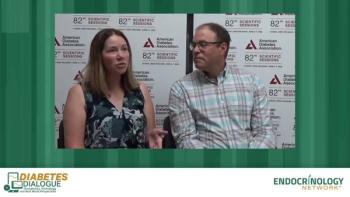
In the first of 4 special edition ADA 2022 episodes, hosts Drs. Diana Isaacs and Natalie Bellini take on the role of interviewers and discuss CGM uptake in primary care with Drs. Sean and Tamara Oser. Later in the episode, the pair provide perspective on their experiences with Beta Bionics's Insulin-Only Bionic Pancreas.

Although typically associated with an increased risk of type 2 diabetes, new research from Israel presented at ADA 2022 suggests increased BMI in adolescence was associated with an increased risk of new-onset type 1 diabetes in young adulthood.

At ADA 2022, Endocrinology Network sat down with Lindsay Mayberry, PhD, to discuss a pair of studies she presented examining trends in CGM uptake and correlates associated with increased uptake in primary care settings.

Prof. Hertzel Gerstein discusses new ELIXA biomarker findings from ADA 2022.

The diabetologist and professor discusses new findings from the ReTUNE trial, which disparage the utility of BMI in defining diabetes risk and remission opportunity.
New post hoc data from the STEP 1 and 4 trials show an approximate 60% risk reduction of type 2 diabetes over 10 years versus placebo.

A month and a half after topline results were announced in April, full data from SURMOUNT-1 was presented at ADA 2022 and demonstrate tirzepatide in 5 mg, 10 mg, or 15 mg doses provides superior weight loss compared to placebo therapy, with this weight loss maintained throughout the duration of the trial.

A greater reduction in UACR was observed with finerenone in patients taking GLP-1RA at baseline.

During the opening press conference, Endocrinology Network got perspective from a trio of American Diabetes Association executives on the prospect of tirzepatide as an agent for combatting both diabetes and obesity.
The FreeStyle Libre 3 system, which is billed by Abbott as the world's smallest, thinnest, and most accurate 14-day glucose sensor, received FDA clearance on May 31 and is expected to be available in participating pharmacies later this year.

Data from a 1-year pragmatic trial examining use of a mobile health support system outlines the potential impact of using the system on weight loss and treatment effects among patients with pediatric obesity.
Our endocrine month in review spotlights the most popular articles from the past month. This month's top articles include the approval of tirzepatide, news from AACE & ATTD, and a pair of podcast episodes.

Data presented at the European Congress of Endocrinology detail genetic and observational associations between obesity, and markers of body composition on the likelihood of developing PCOS later in life.
In this episode of Diabetes Dialogue, hosts Drs. Isaacs and Bellini take a deep dive into the tirzepatide approval, including discussions around the mechanism of action, dose titrations, and where it might fit in the upcoming ADA standards of care. Later in the episode, hosts recap their experiences from AACE 2022, which saw the release of new guidelines for NAFLD.

Implementation of the USPSTF 2021 and ADA 2022 guidelines would increase screening eligibility by approximately 6 to 7 percentage points.
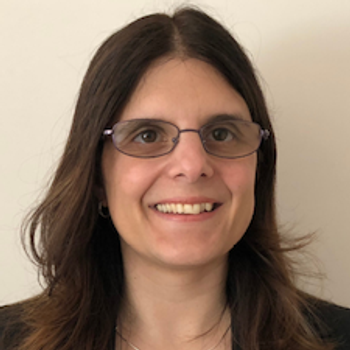
Both exogenous hyperthyroidism and exogenous hypothyroidism were associated with increased risk of cardiovascular mortality.
Announced on May 13, the approval indicates Eli Lilly and Company's novel dual GLP-1/GIP agonist, tirzepatide (Mounjaro), for use as an adjunct to diet and exercise to improve blood sugar in adult patients with type 2 diabetes.

Results of a survey and literature review presented at AACE 2022 detail the lack of formal nutrition education available in endocrinology fellowship programs as well as the desire to see a greater emphasis placed on nutrition education in these programs.

In patients with T2D, adding Gla-300 to GLP-1 RA significantly improved glycemic control without significantly increasing hypoglycemia.

An analysis of data from more than 3500 individuals followed for more than 20 years provides insight into the impact of food insecurity on risk of cardiometabolic conditions, including obesity and type 2 diabetes.

Drugs like semaglutide are able to treat both diabetes and obesity.
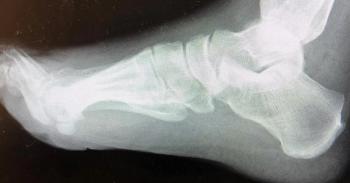
Our latest endocrine case report features a man in his mid-30’s with a medical history significant for obesity and diabetes on an insulin pump presenting to the hospital with 4 days of gradually worsening right foot pain and swelling. Can you determine the correct diagnosis?

Type 2 diabetes can be more aggressive in younger patients.
Advertisement
Advertisement
Trending on HCPLive
1
ProACt Data Show Early Functional Gains with Adjunctive Cariprazine In MDD
2
Half-Life vs. Real Life: How Real-World Evidence Is Reframing Wet AMD Treatment
3
How the ASN's GD-C Compendium Aims to Unify Glomerular Disease Care
4
DAPA-TRIO-HF: Dapagliflozin Improves HF Outcomes Regardless of Healthcare Setting
5