



Endocrinology
Latest News

Advertisement
Latest Videos







CME Content




























































Advertisement
More News

Gregory Weiss, MD, provides perspective on how improved safety of these procedures has revolutionized the way clinicians view use of bariatric and metabolic surgeries as a method for inducing weight loss in people with overweight and obesity.

An analysis of survey data from more than 1400 adults in the UK provides insight into potential risk factors for developing long COVID symptoms, with results indicating both female sex and increased body mass index as potential risk factors.

Results of the DIRECT-PLUS trial provide clinicians with new insights into the impact of the Mediterranean diet and a modified Mediterranean diet as a method for inducing weight loss.
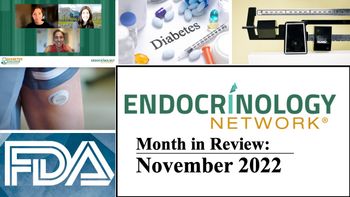
The November 2022 endocrine month in review features coverage of the FDA’s approval of teplizumab, new data related to use of GLP-1 receptor agonists, and a trio of stories on topics pertaining to diabetes technology.

A Johns Hopkins-led analysis provides a snapshot of trends in racial disparities seen in both uptake of and engagement in discussions with providers around continuous glucose monitoring and insulin pumps among adults with type 1 diabetes.

A single-arm study provides insight into the feasibility and acceptability of flash glucose monitoring use for promoting positive lifestyle changes among people with prediabetes.

In this special edition episode of Diabetes Dialogue: Technology, Therapeutics, & Real-World Perspectives, hosts Diana Isaacs, PharmD, and Natalie Bellini, DNP, break down what the approval of teplizumab means for type 1 diabetes. During the episode, hosts take a deep dive into type 1 diabetes staging and hypothesize around the role of CDCES in educating primary care and other specialties to optimize the potential of teplizumab.
Announced on November 17, the US FDA Class I recall for the Insulet Omnipod DASH Insulin Management System Personal Diabetes Manager comes after the company had received more than 450 complaints related to battery swelling, fluid leakage from battery, and extreme overheating, including 3 instances that included fires.

Insulin glargline-aglr is the second approved interchangeable biosimilar insulin product to insulin glargine indicated to improve glycemic control in patients with diabetes mellitus.

A 15-person study comparing flash monitoring to standard self-monitoring in people on hemodialysis with or without diabetes provides clinicians and researchers with insight into the potential clinical applicability of these devices in similar patient populations.

In this episode, our hosts are joined by Lydia Alexander, MD, president-elect of the Obesity Medicine Association, to discuss the updates in the landscape of obesity management as well as a deep dive into the recent American Gastroenterological Association guidelines for pharmacological management and the OMA's annual meeting.

Our latest endocrine case report from Brady Pregerson, MD, features a female in her 60s with a history of diabetes mellitus who presents to the ED for 3 days of inner right thigh pain. Can you determine the correct diagnosis?
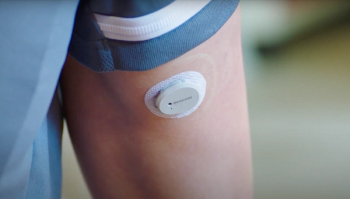
A formal task analysis conducted in older adults with type 2 diabetes provides insight into the ease of use and task burden associated with uptake of the Dexcom G7 CGM system, with results indicating use of the system required fewer than half as many steps to initiate as previous generations of the CGM system.
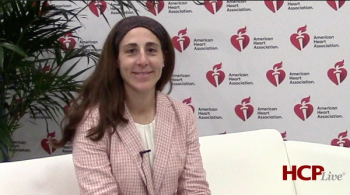
At AHA 2022, Diana Isaacs, PharmD, provides perspective on the potential impact of optimized uptake of newer obesity medications could have on population-level cardiovascular disease prevention.

The treatment reduced UACR by 37.1% and LDLc by 17.12 compared to placebo.

Data from the STEP TEENS trial, which assessed the benefits of semaglutide 2.4 mg (Wegovy) in individuals aged 12-18 years with overweight or obesity, indicates use of the GLP-1 receptor agonist was associated with a mean reduction in body weight of 16% during the 68-week trial.

Published on November 1, the USPSTF reaffirmed their stance against use of hormone therapy for primary prevention of chronic conditions in postmenopausal persons, which was the stance the organization took in their 2017 recommendations.
The October 2022 month in review recap includes a pair of studies that paint a grim picture related to the burden of diabetes in the US, a trio of new obesity guidelines/reports from major national and international organizations, and news related to the latest developments in the world of continuous glucose monitoring.

An analysis of patient data from people with type 1 diabetes using flash glucose monitoring suggests increased scanning frequency could improve glycemic control and reduce fear of hypoglycemia in people using intermittently scanned continuous glucose monitoring.
Welcome back to Crisis Point. A special episode focuses on the issue of insulin accessibility and affordability in the United States, with four experts in the diabetes arena weighing in on the topic.

In this episode of Diabetes Dialogue, hosts Diana Isaacs, PharmD, and Natalie Bellini, DNP, discuss the ongoing GLP-1 RA shortage and whether or not celebrities using these agents for weight loss is a real issue in the community as well as provide insight into their top takeaways from the ADA/KDIGO consensus report.
Published on October 21, the metabolic and bariatric surgery guideline considerations from the American Society of Metabolic and Bariatric Surgery and the International Federation for the Surgery of Obesity and Metabolic Disorders represent the first major updates to guidance since a National Institutes of Health document released in 1991.

Released on October 21, the special joint report from the Obesity Society and National Kidney Foundation outlines the hurdles, optimization strategies, and research needs for the management of coexisiting obesity and chronic kidney disease identified during a multispecialty, scientific workshop held in April 2021.

American Gastroenterological Association Releases Guidelines for Pharmacologic Management of Obesity
Released on October 20, the American Gastroenterological Association's guidelines for obesity management with pharmacological therapy endorses semaglutide 2.4 mg (Wegovy), phentermine-topiramate ER (Qsymia), lirgalutide 3 mg (Saxenda), and naltrexone-bupropion ER (Contrave) as first-line medical therapies in addition to diet and exercise for weight loss in people with obesity.

National coverage of MTMs for diet-related diseases may be associated with 1.6 million averted hospitalizations and net cost savings of $13.6 billion annually.
Advertisement
Advertisement
Trending on HCPLive
1
ProACt Data Show Early Functional Gains with Adjunctive Cariprazine In MDD
2
Half-Life vs. Real Life: How Real-World Evidence Is Reframing Wet AMD Treatment
3
How the ASN's GD-C Compendium Aims to Unify Glomerular Disease Care
4
FDA Updates Sotatercept Label with HYPERION Data in Early PAH
5