






Endocrinology
Latest News
Advertisement
Latest Videos





CME Content




























































Advertisement
More News

Widespread use of continuous glucose monitoring was not found to attenuate the association between impaired awareness of hypoglycemia and diabetes-related distress.

Expansions in access by the Centers of Medicare and Medicaid Services could bring the latest advances in continuous glucose monitoring into the hands of millions with diabetes, which could provide significant, population-level impact and bring the field a step closer to equitable diabetes management.

An analysis from ADA 2023 suggests meeting or exceeding 7,000 - 10,000 steps per day is associated with marginal improvements in time in range in adults with T1D.

Our endocrinology month in review for June 2023, highlights FDA decisions in type 1 and type 2 diabetes, studies from ENDO 2023, and new data presented at the 83rd Scientific Sessions of the American Diabetes Association.

An analysis from ADA 2023 suggests adults with T1D and higher social determinants of health risks are less likely to perform behaviors to maintain health.

David Ahn, MD, joins our hosts for a discussion on overcoming barriers with diabetes technology and offers perspective on his experience leveraging social media platforms to disseminate information as a clinician.

The AHEAD program was associated with promising reductions in mean diabetes distress scores among emerging adults with type 1 diabetes.

A combination of in-office and telehealth visits increased visit frequency and maintained glycemic control in older adults with T1D during the COVID-19 pandemic.

Julie Heverly, of the Time in Range Coalition, discusses the history of time in range, offers perspective on its utility as a glucose metric, and provides an overview of the efforts of the Time in Range Coalition to advance use and education around time in range.
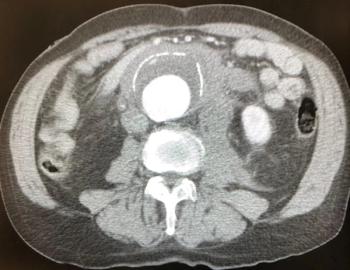
This endocrine case report from Brady Pregerson, MD, features a man in his 60s with diabetes mellitus presenting with 5 days of nonradiating intermittent lower abdominal pain. Can you determine the correct diagnosis?

However, the presence of diabetic retinopathy was observed to have no significant impact on physical health and quality of life compared to subjects without retinopathy.

A recap of the top news from the 83rd Scientific Sessions of the American Diabetes Association, including data related to retatrutide, tirzepatide, oral semaglutide, and more!

After adjusting for potential confounding factors, patients with microvascular diseases, particularly diabetic retinopathy, and diabetic kidney disease, were found to have a greater possibility of left ventricular hypertrophy.
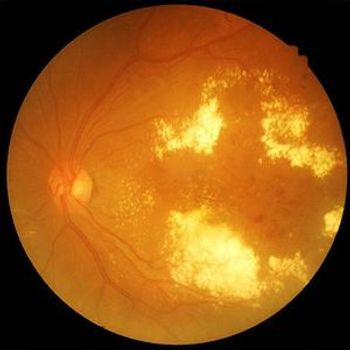
Diabetic retinopathy and microalbuminuria were associated with a significantly higher risk of hemodialysis induction in individuals with T2D.

An analysis of 3 academic health centers suggests youth with diabetic retinopathy had a longer duration of diabetes and higher hemoglobin A1c at the time of the diabetic eye exam.

Juan Frias, MD, discusses the potential impact of an FDA approval for once-weekly insulin icodec based on data observed within the ONWARDS program.

At ADA 2023, we asked interview guests for their opinions on the most important news to come from this year's scientific sessions, including Juan Frias, MD, Bob Gabbay, MD, PhD, Yehuda Handelsman, MD, Viral Shah, MD, and more.

A new analysis presented at ADA 2023 recommended effective diabetic retinopathy screening for patients with T2D and hypertension.

Investigators from the TRANSITION-T2D study join Diabetes Dialogue to discuss the study and implications for care.

A direct comparison of 3 independent AI systems showed differing prevalences of diabetic retinopathy, suggesting inconsistencies when applying these tools to those without preexisting diabetes.

Announced on June 28, 2023, the FDA's approval of donislecel (Lantidra) marks the first approval of an allogeneic pancreatic islet cellular therapy for the treatment of type 1 diabetes.

The analysis, from ADA 2023, additionally indicated SGLT2 inhibition showed no effect on the risk of requiring intravitreal injection treatment for DME.

Use of metformin was associated with significant reductions in the risk of developing POAG beyond glycemic control, according to an analysis presented at ADA 2023.

APX3330 showed statistically significant prevention of ≥3-step binocular DRSS worsening compared to placebo, but did not meet the study's primary endpoint.

A 7-year longitudinal analysis presented at ADA 2023 suggests time in range was associated with an increased risk of diabetic retinopathy in people with type 1 diabetes.
Advertisement
Advertisement
Trending on HCPLive
1
ProACt Data Show Early Functional Gains with Adjunctive Cariprazine In MDD
2
Half-Life vs. Real Life: How Real-World Evidence Is Reframing Wet AMD Treatment
3
How the ASN's GD-C Compendium Aims to Unify Glomerular Disease Care
4
DAPA-TRIO-HF: Dapagliflozin Improves HF Outcomes Regardless of Healthcare Setting
5