




Endocrinology
Latest News
Advertisement
Latest Videos





CME Content




























































Advertisement
More News
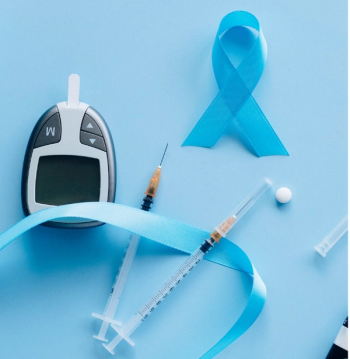
Mothers with mood disorders—either bipolar disorder, major depressive disorder— or schizophrenia/ schizoaffective disorder are not associated with their offspring’s risk for type 1 diabetes. Results suggest mothers with bipolar disorder tend to develop type 1 diabetes, but data is not clinically significant.

The study did not find an association between glycemic parameters and flow-mediated dilation, but they did find associations between lower sleep efficiency with poorer glycemic control, insulin resistance, estimated glucose disposal rate, and HbA1C.

Dhiren Patel, PharmD, and Bob Busch, MD, interview Fatima Cody Stanford, MD, MPH, MPA, an obesity medicine specialist, to examine the cardiovascular (CV) impact of obesity and delve into the potential benefits of newer weight loss medications in mitigating CV risk and heart failure.

Consumers should avoid Dr. Ergin’s SugarMD Advanced Glucose Support due to an increased risk of adverse events including hypoglycemia.

Despite recommendations to consult with ophthalmologists prior to initiating semaglutide, the cardiometabolic drug was not found to be linked to worsened DR outcomes.

Rajiv Agarwal, MD, MS, provides insight into an analysis from ASN Kidney Week 2023 detailing the effect of early albuminuria reduction on risk of adverse kidney and cardiovascular outcomes in people with T2D and chronic kidney disease.

In our October 2023 endocrinology month in review, our editorial team highlights regulatory updates, pipeline news, and conference data capturing the attention of the field during the month.

John W. Ostrominski, MD, describes the prevalence and overlap of cardiac, renal, and metabolic conditions in US adults over a 20-year period.
In this episode, hosts discuss the FDA clearance of the Omnipod 5 App for iPhones and a pair of studies examining use of automated insulin delivery systems.

A study from investigators in Italy sheds further light on the relationship between physical activity and diabetic polyneuropathy risk in patients with type 1 diabetes.
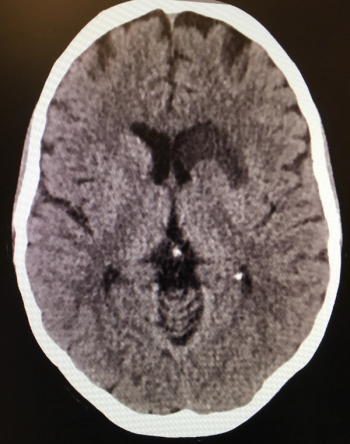
This endocrine case report from Brady Pregerson, MD features a 32-year-old female with a history of polycystic ovary syndrome and diabetes who presents to the emergency department for sudden trouble swallowing, confusion, and shakiness. Can you determine the correct diagnosis?
In this episode, hosts discuss the results of SURMOUNT-3 and SURMOUNT-4 as well as how it might help inform use of tirzepatide if approved by the US Food and Drug Administration for chronic weight management.

Experts discuss the intricate relationship between diabetes, kidney disease, and cardiovascular function and explore the evolving landscape of therapies with cardiorenal benefits.
In this episode, hosts discuss data from the PROTECT trial, which examined the effects of teplizumab on beta-cell function in patients with newly diagnosed type 1 diabetes.
The FDA has granted 510(k) Clearance to the Omnipod 5 app for iPhone, making Insulet Corporation the first to offer a tubeless AID system with smartphone control.

Dhiren Patel, PharmD, and Bob Busch, MD, interview Fatima Cody Stanford, MD, MPH, MPA, an obesity medicine specialist, to examine the cardiovascular (CV) impact of obesity and delve into the potential benefits of newer weight loss medications in mitigating CV risk and heart failure.
The expanded Indication now includes children of all ages with achondroplasia, the most common form of skeletal dysplasia leading to disproportionate short stature.
The approval was announced by Zydus Life Sciences Limited in a press release on October 20, 2023.

Exposure to maternal diabetes during pregnancy is associated with an increased risk of depression and anxiety in offspring later in life, according to a new study.

An analysis of more 13,000 children with type 1 diabetes suggests puberty onset in children with type 1 diabetes is occurring earlier now than it had been at the turn of the century.

In the PROTECT trial, teplizumab preserved β-cell function in newly diagnosed type 1 diabetes patients, slowing the decline of C-peptide levels, but key secondary endpoints, such as time in range and HbA1c, showed numerical trends without statistical significance.

Despite access to care and health insurance, Hispanic and non-Hispanic Black individuals with diabetes experience poorer glycemic control compared to non-Hispanic White counterparts, revealing persistent racial disparities in healthcare.

Presented at Obesity Week 2023, SURMOUNT-3 provides new insight into the effects of tirzepatide in patients with overweight or obesity.
Dhiren Patel, PharmD, and Bob Busch, MD, interview Fatima Cody Stanford, MD, MPH, MPA, an obesity medicine specialist, to examine the cardiovascular (CV) impact of obesity and delve into the potential benefits of newer weight loss medications in mitigating CV risk and heart failure.

On October 10, 2023, Novo Nordisk announced they would be stopping the FLOW trial, which examined the effects of semaglutide 1.0 mg on kidney outcomes in type 2 diabetes, due to early efficacy based on an interim analysis of the trial.
Advertisement
Advertisement
Trending on HCPLive
1
Half-Life vs. Real Life: How Real-World Evidence Is Reframing Wet AMD Treatment
2
ProACt Data Show Early Functional Gains with Adjunctive Cariprazine In MDD
3
FDA Updates Sotatercept Label with HYPERION Data in Early PAH
4
How the ASN's GD-C Compendium Aims to Unify Glomerular Disease Care
5