



Endocrinology
Latest News
Advertisement
Latest Videos



CME Content




























































Advertisement
More News

A new study found glucagon-like peptide 1 receptor agonist use was associated with a lower risk of cirrhosis complications for patients with MASLD who did not have cirrhosis.

A follow-up to an earlier episode, this episode features a deep dive into the hosts experience with the Dexcom Stelo sensor.
In this episode, hosts discuss availability of the Abbott Lingo CGM and Embecta’s announcement of FDA clearance for their tubeless patch pump with a 300-unit insulin reservoir.
The endocrinology month in review for August 2024 spotlights 6 pieces of major pipeline news or regulatory announcements as well as multiple episodes of Diabetes Dialogue.

Semaglutide lowers rates of cardiovascular and COVID-19-related deaths in patients with overweight/obesity, offering promising cardio-metabolic and non-cardiovascular benefits.

Rahul Aggarwal, MD, discusses the findings of a SCORED analysis examining sotagliflozin's effects based on diabetes duration.

Michigan Medicine and U-M research finds a bidirectional link between mental health disorders and chronic diabetes complications, urging comprehensive screenings.
In this episode, hosts discuss the implications of Dexcom announcing availability of their Stelo sensor and the FDA clearance of the Omnipod 5 for type 2 diabetes.

FDA expands Omnipod 5 AID system for type 2 diabetes, marking the first AID system approved for both type 1 and type 2 diabetes management.
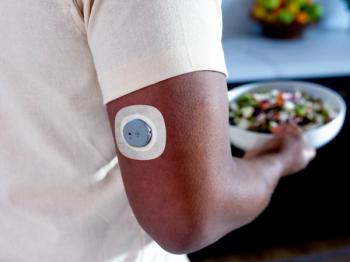
Dexcom's Stelo, the first OTC glucose sensor, launches in the US on August 26, 2024, offering 15-day wear and HSA/FSA eligibility for as low as $89.99 per 2-pack.

A new study significantly demonstrated semaglutide, but not liraglutide, is associated with suicidal ideation.
This episode focuses on sotagliflozin in type 1 diabetes and other highlights from the ADCES 2024 annual meeting.
In this episode, hosts react to the announced CMS list prices for the first 10 drugs chosen for negotiation as part of the Inflation Reduction Act.

A new analysis suggests HbA1c may be more informative to fatty liver disease severity than BMI, and should be included in screenings.
The first of 2 episodes on ADCES 2024, this episode focuses on sessions and presentations hosts Isaacs and Bellini participated in during the meeting.

Real-World Analysis Finds Tirzepatide Offers Greater Benefit than GLP-1 RAs for Heart, Kidney in T2D
A new real-world study suggests tirzepatide provides greater reductions in mortality, cardiovascular risk, and kidney events than GLP-1 receptor agonists in type 2 diabetes.
Palopegteriparatide’s approval was based on positive data from the global Phase 2 PaTH Forward and Phase 3 PaTHway trials.

In this episode, hosts are joined by Muthiah Vaduganathan, MD, MPH, for a discussion around topline data updates from the SUMMIT and FINEARTS-HF trials.
In this episode, hosts take a break from the ADCES meeting to discuss the latest news from Medtronic related to their Simplera CGM and their partnership with Abbott.
FDA approval for the Simplera™ continuous glucose monitor marks the company's first disposable, all-in-one CGM half the size of previous offerings.
The July 2024 endocrinology month in review recaps a pair of regulatory updates, multiple studies on incretin therapies, and the most recent episodes of our flagship diabetes podcast, Diabetes Dialogue.

An analysis of more than 11,000 people with T1D found people were more likely to report an affected father than an affected mother.

New study finds semaglutide may reduce smoking urge in type 2 diabetes patients, decreasing tobacco use disorder medical encounters by up to 32%.

An analysis using records from 40 million US patients highlights the surge in new GLP-1 receptor agonist use, with semaglutide dominating new prescriptions since 2020.

Findings highlight an increased risk of diabetes, MASLD, and cardiovascular disease in patients with PCOS, with risk varying by PCOS phenotype.
Advertisement
Advertisement
Trending on HCPLive
1
Half-Life vs. Real Life: How Real-World Evidence Is Reframing Wet AMD Treatment
2
ProACt Data Show Early Functional Gains with Adjunctive Cariprazine In MDD
3
FDA Updates Sotatercept Label with HYPERION Data in Early PAH
4
EMBARQ-CSU: Barzolvolimab Meets Primary, Secondary Endpoints in CSU Trials
5