




Endocrinology
Latest News
Advertisement
Latest Videos







Podcasts








CME Content




























































Advertisement
More News

Garimella describes the overlap between diabetes and kidney disease, explaining the significance of semaglutide’s new indication for these patients.

The FDA approved semaglutide to reduce the risk of kidney disease worsening, kidney failure, and death due to CVD in those with T2D and CKD.

Enobosarm led to a statistically significant benefit in the protection of lean mass in patients with overweight or obesity receiving semaglutide.

GLP-1 RA initiation boosted new thyroid cancer diagnoses, compared with other anti-diabetic drugs, but enhanced early detection may have played a role.
In this episode, hosts explore the latest updates to the ADA Standards of Care on therapeutic innovations and their real-world impact on diabetes management.

Approximately 2.0% of commercially insured individuals with obesity, but not diabetes, initiated semaglutide within 6 months of diagnosis.

Semaglutide 7.2 mg achieved statistically significant and superior weight loss at 72 weeks versus placebo, hitting the Phase 3b trial's primary endpoint.

Medicare has selected 15 additional drugs to negotiate prices directly with participating drug companies, including semaglutide (Ozempic).
In this episode, hosts explore ADA's evolving guidelines championing broader access to CGM and AID systems for personalized diabetes care.

A cohort study with 14 years of follow-up found monogenic and polygenic mechanisms influencing LDL-C and incident T2D risk inversely associated.

In patients with MASLD and T2D, GLP-1 RA use was linked to a 16% relative risk reduction in major adverse liver outcomes compared with SGLT2i use.
Hosts are joined by a registered dietitian and practicing endocrinologist to discuss dietitians' role in managing patients receiving incretin therapies.
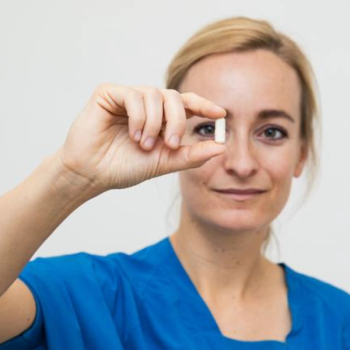
The randomized trial is the first to assess fecal microbiota transplantation for treating diabetic gastroenteropathy, highlighting its safety and efficacy.

Atumelnant rapidly lowered key biomarkers in congenital adrenal hyperplasia in positive topline results from the Phase 2 TouCAHn trial.
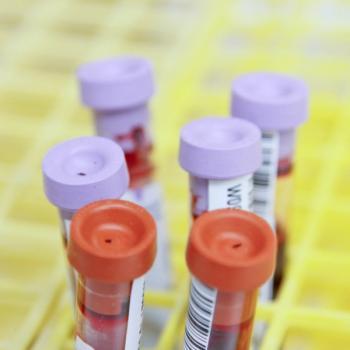
Hyperuricemia was significantly linked to dyslipidemia and hypertriglyceridemia in hospitalized patients with type 2 diabetes, which remained after adjustment.
In this episode, hosts discuss optimizing insulin therapy for people with diabetes using AI-driven algorithms with Eran Atlas, CEO of DreaMed Diabetes.
Our Endocrinology Month in Review for December 2024 highlights recent headlines in diabetes and endocrinology and 4 new episodes of Diabetes Dialogue.

A systematic review and meta-analysis of observational real-world data finds nearly half of patients who begin a GLP-1 RA will discontinue within a year.
In this episode, hosts discuss a slight dip in US obesity rates, the use of inhaled insulin, and the benefit of mifepristone for HbA1c reduction.
A list recapping our most popular endocrinology coverage from the past year.
From groundbreaking therapies to ethical dilemmas, HCPLive’s top podcasts of 2024 delivered expert insights and human stories across medicine.

The FDA's approval marks the second generic approval referencing a GLP-1 receptor agonist in as many months for the agency.

Glycemic control continues to be a major risk factor for diabetic retinopathy, while overweight, obesity, and hypertension are growing in prevalence.
In this episode, hosts discuss the efficacy of MariTide for obesity, a head-to-head comparison of semaglutide vs. tirzepatide, and concerns about GLP-1 agonist compounding.

Yehuda Handelsman, MD reflects on the WCIRDC 2024’s comprehensive approach to advancing cardiometabolic care through multidisciplinary collaboration.
Advertisement
Advertisement
Trending on HCPLive
1
Half-Life vs. Real Life: How Real-World Evidence Is Reframing Wet AMD Treatment
2
ProACt Data Show Early Functional Gains with Adjunctive Cariprazine In MDD
3
FDA Updates Sotatercept Label with HYPERION Data in Early PAH
4
EMBARQ-CSU: Barzolvolimab Meets Primary, Secondary Endpoints in CSU Trials
5