





Endocrinology
Latest News
Advertisement
Latest Videos





Podcasts



CME Content




























































Advertisement
More News

Mantzoros explains factors contributing to the growing burden of MASLD and the need for collaboration between hepatology, primary care, and endocrinology.
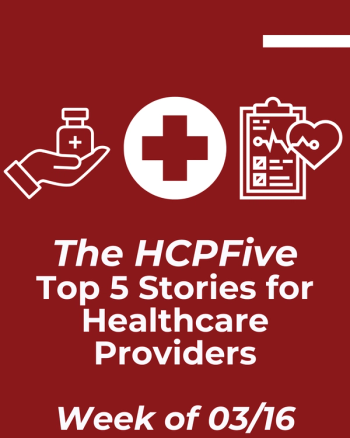
Our top 5 headlines featured new migraine guidelines, the benefit of automated insulin delivery for type 2 diabetes, and 3 key FDA decisions.

In this episode, hosts discuss a study assessing the benefit and feasibility of AID for type 1 diabetes with the iLet Bionic Pancreas in different settings.

AID technology outperformed CGM alone to reduce HbA1c, without increasing hypoglycemia, in adults with insulin-treated type 2 diabetes.

AstraZeneca announced eneboparatide normalized serum calcium with statistical significance at 24 weeks compared with placebo.
In this episode, hosts discuss the launch of the Control-IQ+ AID algorithm with Laurel Messer, PhD, RN of Tandem Diabetes Care.

Initiation of the MOMENTUM clinical trial will explore the prevalence of endogenous hypercortisolism in patients with resistant hypertension.
In this episode, hosts discuss the impact of recently launched direct, cash pay options for people using semaglutide and tirzepatide.
Our top 5 headlines featured an oral drug delivering 16% weight loss, notable blood pressure reductions from a hypertension treatment, and 3 key FDA decisions.

Chronic hypoparathyroidism requires holistic management addressing more than just calcium normalization to achieve optimal patient outcomes.

The pivotal trial showed superior weight loss to placebo at 68 weeks but fell short of ≥25% weight loss initially expected by Novo Nordisk.
This February 2025 month in review covers key updates in endocrinology, including the end to the semaglutide shortage and new automated insulin delivery data.

The regulatory agency has assigned a Prescription Drug User Fee Act (PDUFA) target action date of December 30, 2025.
In this episode, hosts discuss the implications of recent changes in GLP-1 RA availability as well as diabetes technology updates.
This FDA News Month in Review provides a round-up of regulatory decisions from February 2025.
The US supply of semaglutide and semaglutide 2.4 mg now meets or exceeds current and projected demand, ending the long-running shortages of these blockbuster drugs.
Dual SGLT1/2 inhibition with sotagliflozin significantly reduced both heart attacks and stroke in a prespecified secondary analysis of the SCORED trial.
In this episode, hosts offer perspective on recent studies assessing insulin delivery systems in adults with type 2 diabetes.

CELZ-201 reduced insulin dependency and stabilized HbA1c in 1-year follow-up data from the AlloStem pilot study in T2D.

SGLT2 inhibitors lower the risk of MACE in older age, despite smaller HbA1c reductions, while GLP-1 RAs were more cardioprotective in younger individuals with T2D.
Drs. Levine and Sisti discuss the ethical challenges of GLP-1 drug allocation, exploring fairness, disparities, and policy solutions for obesity and diabetes treatment.

Completion of the trial was announced in a financial update from Novo Nordisk, who explained the trial missed its primary endpoint for uACR improvement.

In a Q&A, Kasia Lipska, MD, MHS, discusses the impact of type 2 diabetes on the immune system and findings from her recent research.
The January 2025 endocrinology month in review highlights the latest from the FDA, key drug price negotiations, and the latest updates to the obesity pipeline.

Once-weekly tirzepatide may be an alternative to daily hormone shots in patients with congenital generalized lipodystrophy.
Advertisement
Advertisement
Trending on HCPLive
1
Half-Life vs. Real Life: How Real-World Evidence Is Reframing Wet AMD Treatment
2
ProACt Data Show Early Functional Gains with Adjunctive Cariprazine In MDD
3
FDA Updates Sotatercept Label with HYPERION Data in Early PAH
4
EMBARQ-CSU: Barzolvolimab Meets Primary, Secondary Endpoints in CSU Trials
5