




Endocrinology
Latest News
Advertisement
Latest Videos




CME Content




























































Advertisement
More News
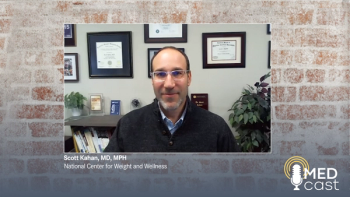
Drs Diana Isaacs and Natalie Bellini highlight the need for engaging patients in shared decision-making and addressing social determinants of health in diabetes and obesity management in adults and pediatric patients.
Scott Kahan, MD, MPH, discusses with Diana Isaacs, PharmD, BCPS, BCACP, BC-ADM, CDCES, and Natalie Bellini, DNP, FNP-BC, how the controversial use of new diabetes and obesity medications is creating access issues for people who really need these medications, and shares strategies to initiate the conversation about weight management with patients.
Dr Scott Kahan shares the latest updates to the 2023 ADA Standards of Care related to weight management and describes the different weight loss approaches recommended by the ADA.
Scott Kahan, MD, MPH, discusses the shortcomings of the current staging systems used for overweight and obesity and recommends the use of weight-related health and functional status in addition to BMI.

Teresa Quattrin, MD, leads a discussion on the benefits of using medications for type 2 diabetes to manage patients who have type 1 diabetes.

Kimberly Simmons, MD, MPH/MSPH, reviews ADA guidelines recommendations for the management of type 1 diabetes.
Drs Diana Isaacs and Natalie Bellini highlight the need for improved screening, greater awareness of clinical trial opportunities, and clinician education to improve early diagnosis and outcomes for people with T1D.
Sumita Singh, a T1D advocate, discusses with Diana Isaacs and Natalie Bellini how teplizumab and other advances are providing hope to the T1D community and talks about the challenges and needs of a diverse T1D patient population.
Sumita Singh, a T1D advocate, discusses her family’s decision to enroll their daughter Bella in a clinical trial for T1D and shares their experience.
Sumita Singh shares about her daughter Bella’s type 1 diabetes (T1D) diagnosis and how their family navigated the logistical and emotional challenges of receiving a T1D diagnosis.

An analysis of more than a dozen cohort studies containing data from more than 30,000 offspring provides clinicians with the most detailed overview yet of differences in cardiometabolic health outcomes in those conceived naturally compared to those conceived with use of assisted reproductive technologies.
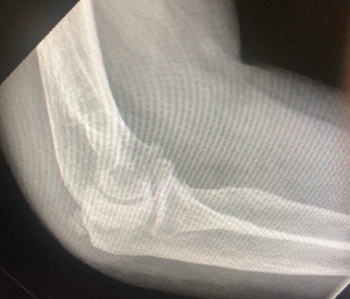
Our latest endocrine case report from Brady Pregerson, MD, features a patient in their mid-60’s presenting to the hospital with approximately 2 days of gradually worsening right elbow pain. Can you determine the correct diagnosis?
Dr Kimberly Simmons and Dr Teresa Quattrin examine the diagnostic process and importance of screening for type 1 diabetes.
Robert Busch, MD, and Robin S. Goland, MD, review the prevalence and pathophysiology of type 1 diabetes.
Drs Diana Isaacs and Natalie Bellini discuss the everyday challenges of managing type 1 diabetes and underscore the need for new treatments to improve the quality of life for people living with type 1 diabetes
Expert healthcare practitioners discuss the potential of CGM and other technology to identify signs of type 1 diabetes.
Dr Emily Sims reviews the study design of the clinical trials with teplizumab and shares key findings from the completed phase 2 trial.
Dr Emily Sims provides an overview of the stages of type 1 diabetes (T1D) and explains how teplizumab slows the immune-mediated destruction of beta cells.

A systematic review of nearly 100 published studies provides an overview of sex-based disparities in the care of pediatric patients with type 1 diabetes.

Research from investigators in Ontario, Canada suggests the plateau in rates of cardiovascular disease and hospitalizations among people with type 2 diabetes seen in the last decade is masking a growing income-based disparity.
The January 2023 endocrinology month in review features coverage of the FDA’s approval of bexagliflozin, news surrounding semaglutide, and the introduction of an expert-led, diabetes-focused podcast to HCPLive Endocrinology.

The risk of diabetes was reduced by approximately 50% in both the vigorous and moderate aerobic exercise groups compared with the nonexercise group.

A sugary drinks tax in England may have prevented over 5,000 cases of obesity a year in older girls, but had no significant association with obesity levels in year six boys or younger children.
A ED screening program identified a substantial number of patients with undiagnosed prediabetes and T2D or undermanaged disease, particularly racial and ethnic minorities.
With up to 40 years of follow-up, a retrospective study of matched pairs is providing an overview of the long-term risks and benefits of bariatric surgery in people with overweight or obesity.
Advertisement
Advertisement
Trending on HCPLive
1
ProACt Data Show Early Functional Gains with Adjunctive Cariprazine In MDD
2
Half-Life vs. Real Life: How Real-World Evidence Is Reframing Wet AMD Treatment
3
How the ASN's GD-C Compendium Aims to Unify Glomerular Disease Care
4
FDA Updates Sotatercept Label with HYPERION Data in Early PAH
5