


































































Analysis of data from the SUSTAIN program suggests adverse gastrointestinal events contributed little to superior weight loss seen with semaglutide versus other GLP-1 receptor agonists.
Analysis of data from the SUSTAIN program suggests adverse gastrointestinal events contributed little to superior weight loss seen with semaglutide versus other GLP-1 receptor agonists.

An extension study of the phase 3 trial indicate combination therapy with exenatide and dapagliflozin was effective 104 weeks after randomization in patients with type 2 diabetes and inadequate glycemic control despite metformin therapy.

Georgiana Dobri, MD, a neuroendocrinologist from Weill Cornell Medicine, discusses the approval of osilodrostat and management of Cushing's disease in 2020.
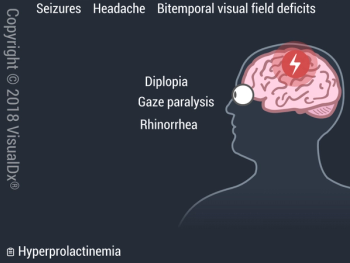
How good are your diagnostic skills? Test them with this month's Visual Dx quiz!

An analysis of women treated at Columbia University Irving Medical Center details outcomes in pregnant women with cardiovascular disease treated by a cardio-obstetrics care team.

An analysis of data from European registries provide an overview of reductions in MACE and other benefits associated with metabolic surgery in severely obese patients with a history of myocardial infarction.

Check out this Emergency Department Minute Quiz. Can you determine the correct diagnosis?

An analysis of data from patients presenting to a medical center in New York City details associations between statin use and mortality among diabetics hospitalized with COVID-19.

Patients with chronic pancreatitis can exhibit dependence on chronic opioid therapy prior to receiving total pancreatectomy with islet autotransplantation.

The Assistant Dean of Community Engagement at the School of Nursing at the University of Pennsylvania offers perspective on addressing racial and ethnic disparities in medicine at an individual and societal level.

Results from FIDELIO-DKD suggest finerenone was associated with reductions in progression of chronic kidney disease and potential improvements in cardiovascular health.

The double-blind trial reported on long-term cardiovascular and kidney outcomes in patients with chronic kidney disease and type 2 diabetes.

An analysis of more than 1 million singleton births in Denmark is detailing a potential association between maternal diabetes and increased risk of developing an eating disorder early in life.

Patients who are prescribed metformin may face a risk of urticaria, though the latter can be treated with antihistamines.

Check out this Emergency Department Minute Quiz from Brady Pregerson, MD. Can you determine the correct diagnosis?

Raymond Douglas, MD, PhD, discusses trends in treatment of thyroid eye disease and how the approval of teprotumumab has impacted the prospect of treating the condition.

An analysis of data from a California health survey suggests non-obese Vietnamese Americans were 60% more likely to have diabetes as their non-obese non-Hispanic White counterparts.

An analysis of a Swedish obesity study with more than 20 years of follow-up data is detailing differences in life expectancy among patients who undergo bariatric surgery versus those opting for usual care.

An analysis of data from more than 9 million women details the increased odds of developing gestational diabetes, gestational hypertension, and other complications associated with having polycystic ovary syndrome.
A study presented at UEG Week 2020 suggests a minimally-invasive, outpatient procedure combined with GLP-1 RA therapy could help diabetics eliminate the need for insulin therapy.
An analysis of Explorys data presented at UEG Week 2020 suggests bariatric surgery in obese diabetics could reduce risk of pancreatic cancer.

A meta-analysis published in JAMA Cardiology details reductions in cardiovascular and kidney outcomes associated with SGLT2 inhibitor use in diabetes patients.
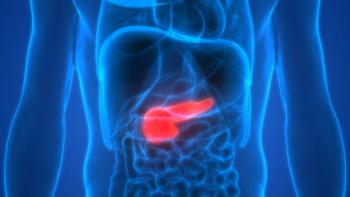
An analysis of data from DiRECT suggests diabetes remission was linked to restoration of pancreas size and function.
An analysis of the Look AHEAD Study suggests improved blood sugar control was linked to improved executive function and neurologic health among patients with type 2 diabetes.

How good are your diagnostic skills? Test them with this month's Visual Dx quiz!