

































































New research suggests risk of mortality associated with recombinant human growth hormone was linked to underlying diagnosis, not cumulative treatment or mean doses.
New research suggests risk of mortality associated with recombinant human growth hormone was linked to underlying diagnosis, not cumulative treatment or mean doses.

A pooled analysis of 6 studies is shedding light on the relationship between early age at menarche and incidence of vasomotor menopausal symptoms.

New study finds 2 different time-restricted feeding approaches were effective for losing weight among obese patients.

Results of an analysis of more than 600 patients suggests increased fasting blood glucose was associated with a 2.3 times greater risk of 28-day mortality in COVID-19 patients.

The microbiome of an infant's first stool can help predict their risk of being overweight later in life, according to a recent study.

Results of an NIH-led study suggests infants exposed to iodine in the NICU were at a greater risk of developing congenital hypothyroidism.

New research shows patients with both conditions have greater levels of particular cytokines and metabolic proteins.

A systematic review and network meta-analysis is comparing 9 classes of therapies for HbA1c and risk management in patients with low versus increased cardiovascular risk.

Although the investigative team found the overall increase in prevalence did not meet statistical significance, there was a significant increase among young adults, and prevalence remained high for those at least 60 years old.
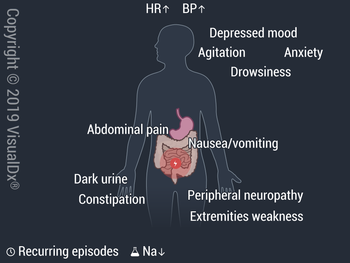
How good are your diagnostic skills? Test them here with this month's Visual Dx quiz!

Many tools are becoming available to physicians who need to strengthen their reach of care outside the office.

There is a significant increase in metabolic syndrome prevalence among young adults, while prevalence remains high for those at least 60 years old.

An analysis of data from a trio of phase 3 trials suggest use of the novel osteoporotic treatment could increase risk of heart attack by 18%.

Both treatments were well-tolerated with only mild-to-moderate adverse events.

A new study found newly diagnosed type 2 diabetics who develop heart failure had the highest risk of death versus patients with other CVDs or chronic kidney disease.

A weekly growth hormone injection could replace daily injections in children with growth hormone deficiencies.
The COVID-19 pandemic accelerated plans to make changes within their electronic health record system for a trio of Saint Louis University doctors.

Findings of recent research demonstrate an intervention program, Balance after Baby, is promising for decreasing diabetes risk factors in women with recent gestational diabetes.

More than 80% of children and parents found the weekly injections preferable to daily injections.

New research from ARVO 2020 suggests patients with diabetic eye disease can still experiences losses in visual acuity, even with glycemic control.

New research suggests signs a person may be more susceptible to type 2 diabetes later in life are visible in children as young as 8 years old.

The FDA's approval of insulin lispro-aabc injection is based on the results of 2 phase 3 trials—PRONTO-T1D and PRONTO-T2D.


Women with recent gestational diabetes who use the intervention see less retention of weight than those who do not use the intervention.

An analysis of data from 5 PIONEER trials is shedding new light on the impact of oral semaglutide based on background glucose-lowering therapy.