































































Endocrinology
Latest News
Advertisement
CME Content
Advertisement

Hypertensive patients have a two-fold increased risk of dying from the coronavirus COVID-19 compared to patients without high blood pressure, according to new research published in the European Heart Journal. In addition, if the hypertension is untreated, the risk is greater.
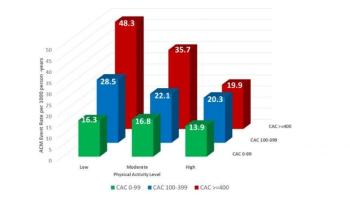
When asked to elderly patients undergoing coronary artery calcium (CAC) scans, the results of a single question offer providers a better understanding of the individual’s risk of death: "On a scale of 1 - 10, how much do you exercise (0-none, 10-always)?"

When antihypertensive medications are taken with regularity, life expectancy is increased says a new study published in the American Heart Association Journal Hypertension.

Women exposed to Per- and polyfluoroalkyl substance (PFAS), a chemical commonly used in nonstick and waterproof products and firefighting foams, experience menopause earlier according to a study published in the Endocrine Society’s Journal of Clinical Endocrinology & Metabolism.


New research from Nutrition Live Online 2020 is diving into the impact of high and low quality carbohydrates on diabetes risk.
An analysis of claims data from 2018 finds spending on diabetes-related supplies is greater than that of insulin, which accounts for nearly 20% of out-of-pocket healthcare spending.
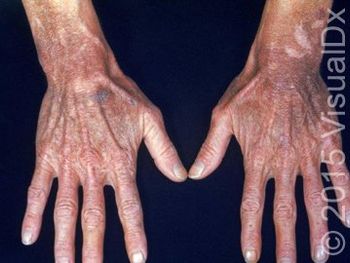
How good are your diagnostic skills? Test them here with this month's Visual Dx quiz!
SARS-CoV-2 affects renal function, and some patients have been known to develop acute kidney injury (AKI). Kidney patients are also at greater risk from coronavirus. On June 5 at 3.30 pm CEST, experts will convene in a special online Zoom session of the ERA-EDTA (European Renal Association and European Dialysis and Transplant Association). to discuss the relationship between coronavirus and kidney function.

This week I spoke with Endocrinologist Harold Bays, where we discuss the problem of obesity, and the challenges of working with obese and diabetic patients to help manage their weight and stay healthy. Dr. Bays is the director of the Louisville Metabolic and Atherosclerosis Research Center, as well as an expert in obesity and lipid medicine, and has some great insights for both clinicians and patients alike.
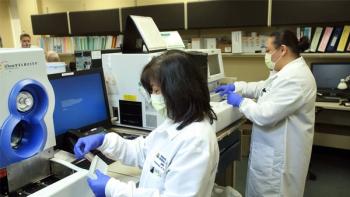
Researchers at Johns Hopkins have found that when testing for the coronavirus, the chance of a false negative result is greater than 1 in 5 and, at times, far higher. The researchers caution that the predictive value of these tests may not always yield accurate results, and timing of the test seems to matter greatly in the accuracy.

The findings emphasize the need to have a healthy diet and lifestyle before pregnancy.
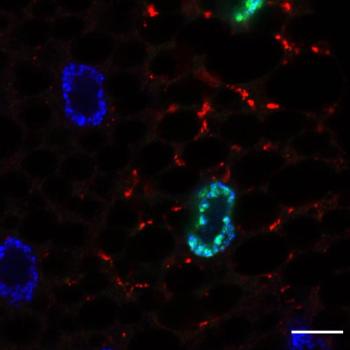
Intermittent fasting, alternate-day fasting, and other forms of periodic caloric restriction are beneficial to maintain a healthy body weight and have gained popularity during the last few years. In response to fasting, cells use autophagy, a cellular self-recycling process, but little is known about how caloric restriction affects this process. New research published in the journal Cell Reports, describes the proteins cells use to activate the expression of autophagy genes.

Asthmatic infants often suffer from other comorbidities throughout their lives.

New data found an 18-year-old female patient developed subacute thyroiditis following a COVID-19 infection.

There is a significant and consistent association between pregnancy loss and later type 2 diabetes.

Patients with OSA during REM sleep experience lower oxygen saturation and longer times with oxygen saturation.

Individuals with obstructive sleep apnea were more frequently male, obese, and had more coronary heart disease when compared to those without OSA.

Babies under 12 months of age exposed to antibiotics are at higher risk for developing childhood obesity according to a study published in the International Journal of Obesity.
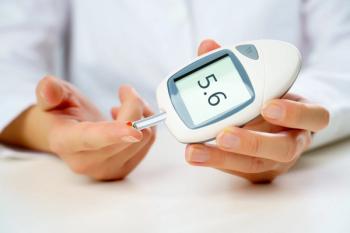
A recent study shows that diabetes can be well managed with telehealth visits.
In a pair of Canadian cohorts, investigators discover asthmatic children are older on the epigenetic clock.

In a study of 578 infants, investigators discover more female infants suffered from OSA.

Two colleagues from the Lewis Katz School of Medicine discuss the promise of AI to detect diabetic retinopathy.

New research suggests there may be a link between elevated fasting blood glucose levels and cognitive decline after a stroke.
Advertisement
Advertisement
Trending on HCPLive
1
ProACt Data Show Early Functional Gains with Adjunctive Cariprazine In MDD
2
Half-Life vs. Real Life: How Real-World Evidence Is Reframing Wet AMD Treatment
3
How the ASN's GD-C Compendium Aims to Unify Glomerular Disease Care
4
FDA Updates Sotatercept Label with HYPERION Data in Early PAH
5