
































































New data from a pair of New Orleans-based hospitals suggests metabolic syndrome in Black patients with COVID-19 was associated with increased mortality.
New data from a pair of New Orleans-based hospitals suggests metabolic syndrome in Black patients with COVID-19 was associated with increased mortality.

Data from more than 4500 diabetics suggest CAC was better at predicting CVD and all-cause mortality in women than in men.

A study comparing 22 patients is offering a detailed overview of the effects of weight loss as a result of gastric bypass surgery and diet alone in obese patients.

New research is shedding light on the association between a history of hypertensive disorder of pregnancy and risk of menopausal symptoms later in life.

An analysis of NHANES data suggests those who lost weight between early adulthood and midlife could have drastically reduced their risk of mortality.

An analysis of data from England details the increased odds of mortality associated with type 1 and type 2 diabetes in COVID-19 patients.

A survey of more than 600 physicians found many endorsed the use of thyroid ultrasonography for clinically unsupported reasons.

An analysis of 41 individuals with premature adrenarche or polycystic ovary syndrome revealed more than half of the patients were glucocorticoid resistant.
Results of a web-based survey indicate the rate of new type 1 diabetes diagnoses dropped nearly 25% during the early phases of the COVID-19 pandemic.

An analysis of data from the ARIC study is detailing associations between lower levels of sex hormones and risk of incident heart failure in older adults.
New data suggests addition of HbA1c testing could improve youth diabetes screenings in the US compared to current screening standards.

An endocrinologist from New Jersey reflects on whether or not the management of type 2 diabetes should fall under the umbrella of primary care specialists rather than endocrinologists as diabetes become more prevalent.

A systematic review and meta-analysis are diving deeper into the debate over whether metformin should be prescribed to with polycystic ovary syndrome using assisted reproductive technologies, such as in vitro fertilization or intracytoplasmic sperm injection and embryo transfer.

Results of the VESTA trial indicate fezolinetant could one day provide a non-hormonal, oral option for reducing vasomotor menopausal symptoms and improving quality of life in postmenopausal women.

Having 3 or more pregnancies, a shorter reproductive life span, or early age at menopause onset were linked to increased risk of CAD in a recent study.

Older, white patients and those who use linagliptin are at a higher risk of bullous pemphigoid.

A medical researcher from the UK discusses how the ongoing pandemic has impacted diabetes research and how researchers have had to adapt during an uncertain time.

An analysis of more than 60k women suggests those with polycystic ovary syndrome were 19% more likely to develop cardiovascular disease.

A practicing endocrinologist and professor of medicine offers insight into the potential for increase in risk of blood clots in certain groups of women if they were to contract COVID-19.
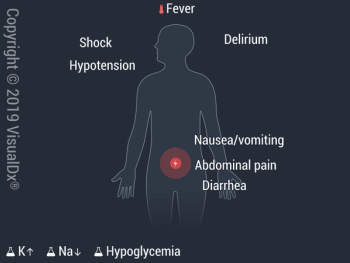
How good are your diagnostic skills? Test them with this month's Visual Dx quiz!

Analysis of CARDIA data indicates smoking was linked to greater volumes of adipose tissue and lower muscle quality, despite having a lower BMI.

A nationwide assessment of data published between 2000-2020 related to outcomes following bariatric surgery is revealing more about its benefits on mortality and incidence of obesity-related disease.
A new University of Michigan-led study is detailing the effects of national cost-sharing caps on insulin for type 1 diabetics.

Eyes with moderate to severe nonproliferative diabetic retinopathy more often develop eye worsening compared to those with a milder form of the condition.

A total of 115 of 200 examined eyes had some form of diabetic retinopathy in data presented at the ASRS 2020 virtual meeting.