





Hepatology
Latest News
Advertisement
Latest Videos




CME Content




























































Advertisement
More News
Test your knowledge of the 2024 AASLD Practice Guidelines on blood- and imaging-based noninvasive liver disease assessment with this clinical quiz!
Test your knowledge of the AASLD NAFLD Practice Guidance and its clinical application in light of the new MASLD nomenclature.

Kugelmas reviews findings from a secondary analysis of the phase 3 ELATIVE trial suggesting elafibranor is associated with stable kidney function.

Lawitz explains issues with traditional FXR agonists for MASH treatment and how FXR314 differs, potentially offering a more safe and efficacious option.

Loomba reviews safety and efficacy data for the thyroid hormone receptor beta agonist from a phase 2a trial presented at AASLD The Liver Meeting 2024.

Barritt reviews real-world data about the use and benefits of GLP-1 RAs in patients with MASLD.

Kowdley reviews open-label extension data for biochemical response, ALP normalization, and pruritus improvement from the phase 3 ELATIVE study.
Findings from the open-label extension of the ELATIVE study suggest sustained safety and efficacy for up to 3 years, with improvements in itch and sleep.
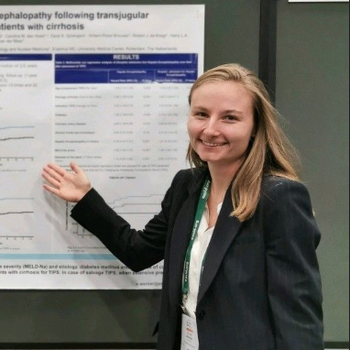
Diabetes was associated with an increased risk of liver transplant or death and with liver-specific events in patients with PBC.

Zhang explains the safety of different FDA-approved alcohol use disorder drugs in patients with alcohol-associated liver disease.

Liver transplant waitlisting after a weekend was associated with higher 1-year post-transplant mortality compared with patients listed on a weekday.

Teckman explains the value of a new predictive algorithm model for determining future risk of portal hypertension, cirrhosis, and liver transplant in AATD.

GLP-1RA use was associated with a reduced risk of adverse liver outcomes in patients with alcohol-associated liver disease and type 2 diabetes.

Compared with non-Hispanic White patients, racial/ethnic minority patients were more likely to be removed from the waitlist and not receive a transplant.

High adherence to the Mediterranean diet was linked to a lower risk of liver-related outcomes as measured by the Liver Risk score.

Patients with PBC and moderate/severe pruritus face a greater health-related quality of life burden and impaired activity than those with no/mild itch.
Kowdley explains how treatment with elafibranor (Iqirvo) improves transplant-free survival based on changes in GLOBE and UK-PBC prognostic scores.

Kim explains how poor sleep is linked to negative impacts on mental health, physical health, and frailty after liver transplantation.
Treatment with elafibranor (Iqirvo) improved prognostic GLOBE and UK-PBC scores as early as week 4 in the phase 3 ELATIVE trial.

Cohen explains patient perspectives about how healthcare providers can help address the lack of diversity in chronic HBV clinical trials.

Patients with autoimmune hepatitis who are deficient in vitamin D had worse outcomes than patients with normal vitamin D levels.

Stine reviews findings from a posthoc analysis of the NASHFit trial suggesting the impact of exercise on MASH resolution, even without weight loss.

Zoi Papalamprakopoulou, MD, explains telehealth’s potential to aid HCV treatment in high-risk populations and how patients perceive this care modality.
Zhang describes how a novel multidisciplinary care clinic has helped reduce relapse after transplant in patients with alcohol-associated liver disease.

New phase 2b data suggest a combination of VTP-300 and low-dose nivolumab can stimulate immune response and induce HBV functional cure.
Advertisement
Advertisement
Trending on HCPLive
1
The Case for Routine Kidney Screening, With Pranav Garimella, MBBS, MPH
2
Anti-Alpha-Gal Antibodies Block IgE Binding in Alpha-Gal Syndrome
3
Nearly 9 in 10 US Adults With CKD Don't Know They Have It, With Pranav Garimella
4
Weekly Insulin Efsitora Alfa (Onswik) Gains FDA approval for Type 2 Diabetes
5