




Hepatology
Latest News
Advertisement
Latest Videos





CME Content




























































Advertisement
More News

The phase 2b/3 NAVIGATE trial missed its primary endpoint for the prevention of varices in patients with MASH cirrhosis and portal hypertension.

Retransplantation outcomes were similar or better in patients with PSC compared with patients with other liver disease etiologies.

The Boxed Warning is based on the FDA’s review of a postmarketing case of serious liver injury with fezolinetant reported to the FAERS database.

Real-world data from 18,710 MASH patients highlight the impact of comorbidities, biomarkers, and region on mortality, with 70% of deaths CVD-related.

Machine learning models improve accuracy in detecting MASH with F2-F3 fibrosis, surpassing noninvasive tests in sensitivity, specificity, and predictive value.

Lower CD4+ cell counts, HCV genotype 4, and recent injection drug use were linked to unsuccessful DAA treatment in people with HCV and HIV.
The FDA awarded Breakthrough Therapy Designation to Vir Biotechnology’s tobevibart and elebsiran for the treatment of chronic hepatitis delta.
An FDA review of postmarket clinical trial data revealed an increased risk of liver injury with obeticholic acid in patients with PBC without cirrhosis.

In this study, investigators described the safety and tolerability of BLV therapy following 48 weeks of therapy among those with CHD.

Investigators developed and validated a novel model to identify liver fibrosis in patients with diabetes which performed better than existing models.

Patients taking immunosuppressive and hepatitis B antiviral drugs after living donor liver transplant had lower antibody response to COVID-19 vaccination.

This analysis involved assessing rates of lifetime as well as prior 12-month treatment use for AUD, in addition to demographic and clinical characteristics linked to AUD treatment.

A new study identifies sex differences in MASLD adverse events, such as females having a greater risk of developing cirrhosis and males having a greater risk of non-liver cancers.
The inflammation-based scoring system provides the first tool for predicting long-term mortality in hepatitis B-related acute on chronic liver failure.

Hypovolaemic phlebotomy reduced perioperative blood transfusion and improved operative conditions versus usual care in patients undergoing liver resection.

HepB-CpG achieved superior seroprotection response versus conventional HepB-alum in patients with HIV and nonresponse to prior hepatitis B vaccination.

Schattenberg reviews results from a posthoc analysis of the ENLIVEN study suggesting pegozafermin’s impact on preventing progression to cirrhosis.

A new study showed patients with MASLD have fragmented nocturnal sleep with frequent awakenings per night and a session on healthy sleep habits did not improve sleep parameters.
Schattenberg explains pegozafermin’s mechanism of action and describes the importance of preventing progression to cirrhotic MASH.
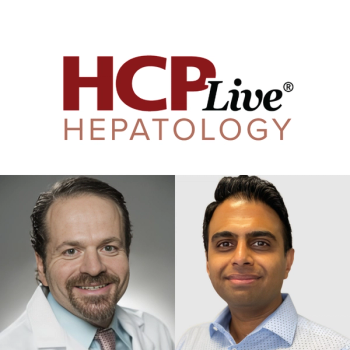
Trivedi and Lawitz review long-term data from the phase 3 open-label ASSURE study and explain what they add to our understanding of seladelpar for PBC.
Trivedi and Lawitz discuss what sets seladelpar apart from other PBC therapies in the rapidly evolving treatment landscape.
Trivedi and Lawitz discuss the clinical impact of having seladelpar as a second-line treatment option for patients with PBC.
Trivedi and Lawitz discuss seladelpar’s mechanism of action and its use as a second-line therapy in PBC.

The phase 2 study of a bemnifosbuvir and ruzasvir regimen for the treatment of HCV met both primary endpoints for safety and SVR 12 weeks post-treatment.
This month in review spotlights FDA news, new clinical trial data, and HCPLive’s coverage of the NASPGHAN 2024 annual meeting and AASLD The Liver Meeting.
Advertisement
Advertisement
Trending on HCPLive
1
The Case for Routine Kidney Screening, With Pranav Garimella, MBBS, MPH
2
Anti-Alpha-Gal Antibodies Block IgE Binding in Alpha-Gal Syndrome
3
Nearly 9 in 10 US Adults With CKD Don't Know They Have It, With Pranav Garimella
4
Weekly Insulin Efsitora Alfa (Onswik) Gains FDA approval for Type 2 Diabetes
5