


































































Findings from The Liver Meeting show the impact of acute alcoholic hepatitis on progression to severe disease and risk of death among younger populations.
Findings from The Liver Meeting show the impact of acute alcoholic hepatitis on progression to severe disease and risk of death among younger populations.

Data presented at The Liver Meeting 2023 from the American Association for the Study of Liver Diseases (AASLD) showed similar assisted reproductive technology outcomes for patients with and without chronic liver disease.
As more cases continue to disproportionately affect US women, an expert explains the biologic, sociocultural and clinical factors impacting the climb.

A trio of investigators discuss how research into bile acid interplay with the gut may lead to breakthroughs in treating conditions like NAFLD and NASH.
A trio of scientists discuss the inception of a daylong Liver Meeting symposium around a little-understood subject in hepatic disease.
Our October 2023 hepatology month in review features phase 2/3 data, updates in the hepatology pipeline, and other top news.

Kremer discusses new ad hoc findings from the phase 3 ENHANCE trial showing seladelpar's unique effect on pruritus in patients with PBC.

Results presented at ACG 2023 demonstrated the viability of the HOMA-IR model for calculating insulin resistance to identify lean NAFLD.
The UCLA hepatologist discusses the current treatment landscape, prospects for improved diagnostics, and the overlap syndrome live from ACG 2023.
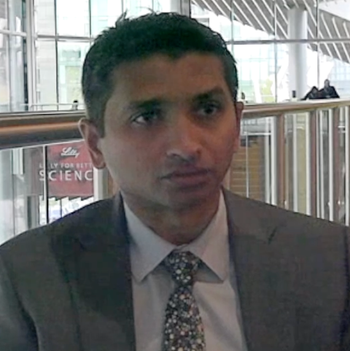
The study author discusses the clinical implications of his team's assessment into a risk factor score for alcohol relapse among post-transplant patients with ALD.
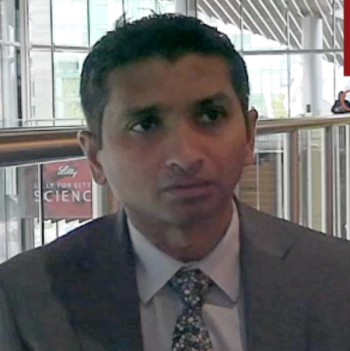
Investigator Jiten P. Kothadia, MD, discusses the advent of a predictive score for alcohol relapse risk in patients with alcohol liver disease who received a liver transplant in the last year.

Presented at ACG 2023, findings from a retrospective cohort analysis revealed patients with ALD diagnosed with and prescribed at least 1 medication for alcohol use disorder had a decreased risk of mortality.

Phase 2b data from the AHFIRM trial is anticipated soon. Reau discusses what the agent may show in treating alcohol-associated hepatitis.

Fibrosis regression was prevalent among 57% of the cohort and was associated with older age and advanced fibrosis at baseline.
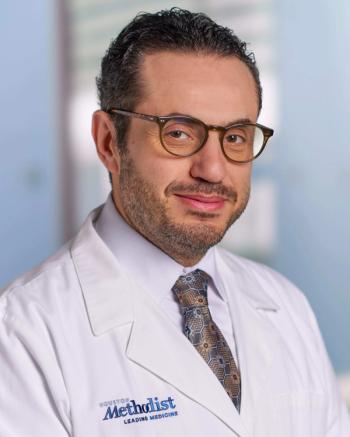
Mazen Noureddin, MD, MHSc discusses results from the phase 2a trial of HU6 and explains its significant impact on liver fat and body weight.
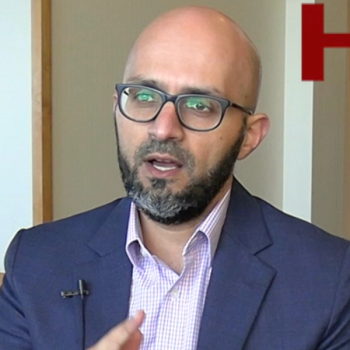
Maralixibat and odevixibat have been "game changers" for their benefit in pruritus, and clinicians are interested to learn more about their long-term hepatic benefit.

Specialists are hindered by limited therapies and a lack of noninvasive testing methods. Martinez shares a wishlist for her colleagues.

Data from the phase 3 PEDFIC trial program show the IBAT inhibitor benefits bile acid levels as well as itch and sleep issues among children with varying types of PFIC.

An analysis of age-stratified fatty liver disease patient demographics show a surprising shift in racial/ethnic and sex trends among children and adolescents.
Though a regimen of steroids and immunosuppressants are well proven, alternative options may be necessary.
Particularly in children, it's critical that referring physicians keep an awareness for clear symptoms and signs of autoimmune liver disease.
Obesity rates in the US have skyrocketed, and so has the prevalence of several comorbid gastrointestinal and hepatic diseases - not all patients know their risks or have the financial means to take preventative measures.
Compared to placebo, patients using once-daily oral HU6 100 mg, HU6 300 mg, and HU6 450 mg experienced significant changes in liver fat, volume, and whole-body adiposity after 61 days of treatment.

The author of the largest clinical trial for pediatric PFIC to date discusses the various benefit maralixibat provides to disease managementr.
A new review and analysis suggests a combination treatment regimen for children in acute liver failure due to autoimmune hepatitis may help them maintain native liver survival.