




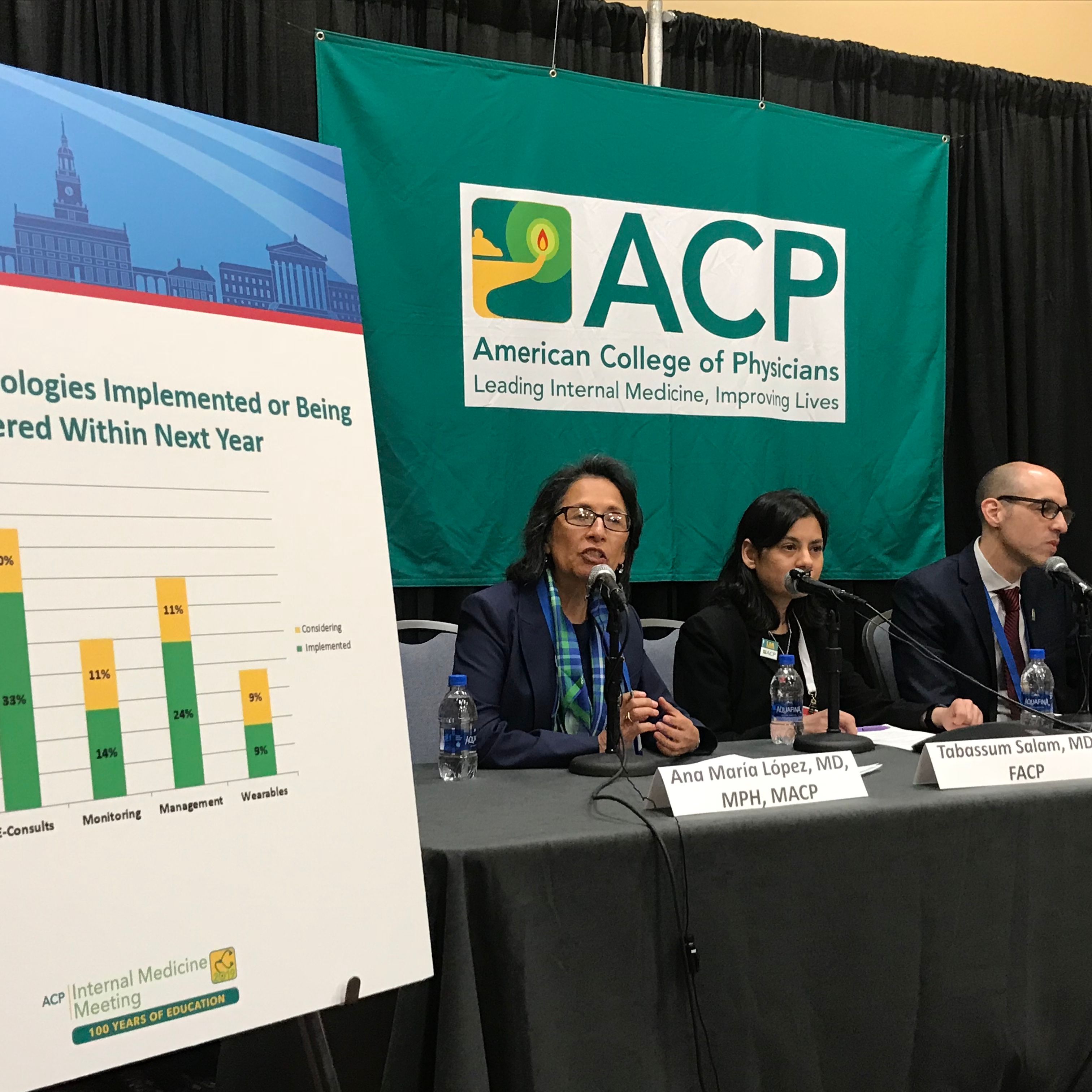




























































The ACP Advance program will connect individuals or organizations with a expert coach for a 12-month service plan.
The ACP Advance program will connect individuals or organizations with a expert coach for a 12-month service plan.

At ACP, physicians came together to tell their stories of what keeps them going in medicine. There's a unifying message in all of them.

Physician mothers who are responsible for 5 or more domestic tasks are more likely to desire a switch in fields or be dissatisfied with career.

MicroSlides allows labs to run two tests simultaneously, optimizing workflow and improving performance.

Ivabradine can be an important tool to lower heart rates in patients with heart failure, but a new study finds usage rates are low when physicians aren’t proactive about initiating the therapy.

Investigators have found that despite improvements in women’s cardiovascular health care, black women still face disparities in care compared to white and Hispanic women.

By applying research-supported practices, Optimal Hospital has increased patient sleep, improved HCAHPS scores, and decreased length of stay and readmissions.

Patients in the Optimal Hospital wing are given iPads that let them access their medical records, see their care team, and view the schedule of their upcoming tests.

New features include wireless vital monitors, red lighting for nighttime, and surfaces and linens infused with antimicrobial copper.
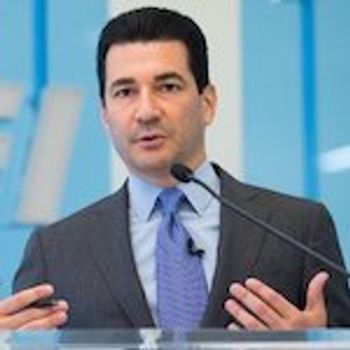
Reports state Gottlieb will be returning to familiar work once his temporary replacement, Ned Sharpless, MD, takes office on Monday.

Ochsner Medical Center's innovative Optimal Hospital initiative has sought to reduce hospital-acquired infections, length of stay, and readmissions.

Investigators found the rate of severe bleeding among ibuprofen patients was almost twice as high as patients taking acetaminophen.

Increasing life expectancy from improved healthcare has directly influenced the avenues by which elderly people seek aid and care.

A month-long study of court decisions found malpractice was absent in telemedicine cases—but that may not indicate any strengths.

A new 5-point clinical decision guideline could make it easier for emergency department physicians to determine which patients warrant a flu test.

A new assessment of audio-recorded conversations show that patients' beliefs, values, and preferences are not consistently represented by surrogates and care providers.

A new cohort shows that though most physicians stay in medicine after receiving multiple paid malpractice claims, they often end up working in a more isolated setting.

Just 7 other states, and the District of Columbia, have passed such a law before. The bill's parameters are similar to that of Hawaii's, which passed its own law last year.

One evaluated dose of AVP-786 significantly improved scores in patients with moderate-to-severe agitation related to Alzheimer dementia, compared to placebo.

Modeling showed that waiting until October to vaccinate would reduce flu cases in older adults, provided vaccination rates don’t decrease and flu season doesn’t peak early.
The FDA’s response noted that the onset and duration of intravenous meloxicam would not meet prescriber expectations for an IV drug.

What researchers from the low-risk TAVR trial anticipate they will find in their decade-long assessment.

Progress in invasive measures for cardiovascular conditions has allowed clinicians the ability to venture into new ground.

What plans are held to progress the impressive findings of an envelope for cardiovascular device infection?

Eosinophilic asthma is characterized by elevated levels of eosinophils, which are a direct cause of chronic inflammation in severe asthma.