































































The Global Burden of Disease study found that US mortality has improved since 1990 — but has been caused by worse health measures.
The Global Burden of Disease study found that US mortality has improved since 1990 — but has been caused by worse health measures.

How taking time to reflect after the loss of a patient can help physicians endure everyday loss.

Global studies show the practice is still rare, but growing in countries to have legalized it.

Legislators and a libertarian think-tank have flaunted the merits of the Right-to-Try experimental drug policy. But physicians question its value and the message it sends to patients.

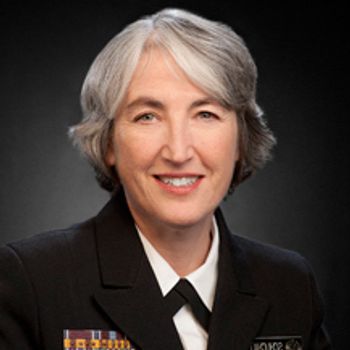
The 27-year Navy veteran will assume clinical and administrative roles with the country's largest clinical research-focused hospital.

When a physician becomes famous, opportunities abound. How can they ensure they’re leveraging the limelight responsibly?

Doctors of osteopathic medicine have long sought to be viewed equally in the eyes of their colleagues, but their differences may have helped shape modern medicine. Does stigma still exist?

Analysis including 2,848,768 deaths since 1980 has revealed increases in mortality rates due to drug abuse disorders, as well as increases in rates for self-harm and alcohol use disorders since 2000.

How the nation’s excessive spending and poor health outcomes drove researchers to seek solutions.

As those age 65 and older face more serious illness, unprecedented burdens to serve a burgeoning population in need of high quality, coordinated care outside the acute care setting have emerged.

The physician community on Twitter is a vibrant, diverse one. But the platform's use in and out of the clinic is still subject to debate.

Patients being transferred out of the intensive care unit encounter medication errors at a rate of 47.5%, although most are not harmful.

Patients with hospital-acquired sepsis had higher rates of congestive HF, cerebrovascular disease, need for mechanical ventilation and vasopressors, increased LOS, more ICU days, and higher mortality than those with community-acquired sepsis.
A new study finds clinical and economic advantages to the use of a multi-pronged pain management approach after surgery.
From July 2016 through September 2017, opioid overdoses have increased 35% in the CDC’s Enhanced State Opioid Overdose Surveillance's 16 participating states.

Physician self-medication is the dangerous product of unrealistic expectations and fear of retribution. What’s being done to lift the stigma of doctors becoming patients?

Hospitals utilizing BedsidePEWS did not see a reduction in mortality, but the rate of late admissions to the ICU was decreased.

Time constraints, confusion about the definition, and a litany of other factors all played a role in the collection of vital drug AE data.

The guidelines provide best-practices for physicians in these situations, though many physicians may be hesitant to provide aid during in-flight emergencies.

Electronic medical records are driving docs crazy. Here’s why, and what’s being done to fix the problem, from the clinic to Congress.
A newly released guideline for Canadian practitioners recommended against cannabinoids for most conditions, save for chronic neuropathic pain, chronic cancer-related pain, and refractory CINV and spasticity.

Following decades of research prohibition, physicians are once again raising the psilocybin question. This time, they’re letting data define the answer.

In a phase 3 trial, 89% of those assigned to rituximab plus short-term prednisone were completely in remission and off therapy in 24 months.

Physician suicide is a taboo topic—and despite high rates of depression and PTSD among doctors, little help exists for those at risk.

Physicians point to a murky history between buyers and PBMs to express doubt for the future of CVS’ acquisition of Aetna.