






Hypertension
Latest News
Advertisement
Latest Videos





CME Content























































Advertisement
More News

Uninsured adults with low income in nonexpansion states experienced worse access and cardiovascular risk factor management compared to insured adults.

A systematic review and meta-analysis of more than 70 RCTs details a J-shape dose-response relationship between omega-3 fatty acid consumption and blood pressure, with 2-3 grams per day considered the optimal dose for blood pressure lowering.

The media campaign to improve aspirin use included billboards, radio ads and print articles, in addition to a dedicated website.

An analysis of data from more than 11,000 patients in China suggests arterial stiffness could be a better predictor of type 2 diabetes risk than other traditional risk factors, such as hypertension.

Among patients with early-onset AF, the presence of disease-associated rare variants in CM and arrhythmia genes was associated with a 1.5-fold higher risk of mortality over 10 years.

Targeting a blood pressure of less than 140/90 mm Hg was associated with better pregnancy outcomes than reserving treatment for severe hypertension.

After adjustment for known cardiovascular risk factors, investigators found women with a hypertensive disorder of pregnancy, including preeclampsia and gestational hypertension, during their first pregnancy had a 63% greater risk of future cardiovascular disease compared to women with normotensive pregnancies.

There was no statistically significant difference in mean systolic blood pressure for the self-monitoring groups vs the usual care group.
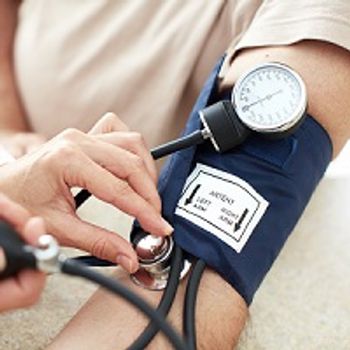
Treating 100 older patients (≥60 years) with hypertension for approximately 3 years would prevent 1 major adverse cardiovascular event.

The rate of long-term survival after 10 years in patients surviving the initial hospital stay after OHCA was between 62% and 64%.

The participants included more than 2,000 pregnant individuals at higher risk of preeclampsia.

The decision to initiate low-dose aspirin use for CVD prevention in adults aged 40 to 59 years with a 10% or greater 10-year CVD risk should be individualized.
Each weight-loss regimen had similar success in obesity management, regardless of patients reducing their calorie consumption through time-restricted eating or through calorie restriction alone.

Patients from the lowest BMI, HbA1c, SBP, and LDL-C population quartile had 3.9, 3.8, 1.9, and 0.9 years of additional life expectancy, respectively.

Individuals in the intervention arm walked a mean of 647 more steps per day compared with the control arm.

Greater adherence to a Mediterranean-style diet was associated with a 22% reduction in odds of developing preeclampsia, with this effect more apparent in Black women, according to a recent study.

The higher time at BP target ranged from 64% in the triple pill group to 43% in the usual care group

Non-exposure to aspirin in patients with hypertension at risk of ASCVD was associated with decreased risk of cardiovascular events.

More research is needed to identify barriers and test interventions to improve hypertension screening and CVD prevention in children with autism

Once a day readings over a year would detect 98.3% of the first Afib >24 hour episodes, while the probability of ≥1 false positive reading would be 98%.

Results of the CHAP project demonstrate active treatment of chronic mild hypertension was associated with reductions in risk of adverse pregnancy outcomes and is unlikely to harm the developing child.

A pilot study presented at ACC.22 demonstrates the impact of implementation of an RPM program to improve blood pressure control in patients with hypertension at primary care clinics.

Large variations were observed in the transition between monotherapy and dual combination therapy for hypertension across countries and demographic group.

Deep learning analyses of photographic images and other test results in clinical trials may reduce cost and improve the consistency and accuracy of end point assessments.

Patients with tachyarrhythmia or hypertension as their underlying trigger of type 2 MI had a lower mortality than patients with hypotension, hypoxemia, or anemia.
Advertisement
Advertisement
Trending on HCPLive
1
From Injectable to Oral: Optimal Durable Clearance Across the IL-23 Class
2
Ritlecitinib Stabilizes Vitiligo in Tranquillo Trial, With Iltefat Hamzavi, MD
3
Advances in Treating High-Impact Psoriasis from EADV 2026
4
FDA Updates Sotatercept Label, ERS Releases PAH Guidelines Based on HYPERION Data
5