






Hypertension
Latest News
Advertisement
Latest Videos





CME Content























































Advertisement
More News

Phase 2 data from the BrigHTN trial suggest use of 2 mg baxdrostat was associated with significantly and substantially reduced systolic and diastolic blood pressure in patients with treatment-resistant hypertension. In a Q&A, trial investigator Deepak Bhatt, MD, MPH, provides further insight.
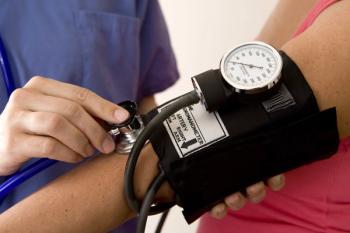
A pooled analysis of data from the RADIANCE-HTN TRIO, RADIANCE-HTN SOLO, and RADIANCE II trials provide a comprehensive overview of the potential reductions in blood pressure possible with renal denervation.

Data from the Diuretic Comparison Project suggests chlorthalidone did not provide a reduction in cardiovascular risk or all-cause mortality compared with use of hydrochlorothiazide in older patients with hypertension.

An analysis of nationally representative data from AHA 2022 suggests most older adults in the US with hypertension were not receiving adequate treatment intensification set forth in US and international guidelines.
An analysis comparing prepandemic blood pressure management against blood pressure management during the first months of the COVID-19 pandemic details rising blood pressure and declining blood pressure control coinciding with the implementation of lockdown and stay-at-home orders.

The beneficial effect of intensive BP control on cardiovascular and all-cause mortality was attenuated during 4.5 years of post-trial after SPRINT.

A trial of 110 women suggests use of nifedipine extended-release leading up to delivery could reduce risk of severe hypertension events among pregnant women with preeclampsia without increasing risk of adverse neonatal outcomes.
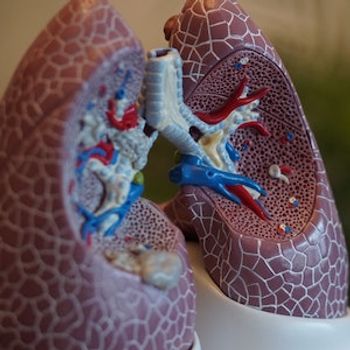
Sotatercept added to background therapy demonstrated significant improvement in exercise capacity compared to placebo.

Deepak Bhatt, MD, MPH, discusses the long-term follow-up data from SYMPLICITY HTN-3 from TCT 2022 and explores the prospect of renal denervation outside of clinical trial settings.

Dr. Thosani discusses the convergence of technology and physiology, treatment advancements, and virtual medicine capabilities in the field of heart arrhythmia.

Mother's who follow the DASH dietary pattern experience better sleep health for themselves and their infants, according to new study.

A new study from the AHA's Hypertension Scientific Sessions provides an overview of the potential population-level benefit of behavior modification, including adherence to a DASH diet, on CVD events and mortality among patients with stage 1 hypertension.

Mean systolic blood pressure increased by 5.09 mm Hg immediately after implementation of automated monitoring.

Our cardiology month in review spotlights the most popular content from the past month. The top content from August 2022 includes new antithrombotic guidance from CHEST, USPSTF recommendation statement on statin use in primary prevention, and coverage of ESC 22, including DELIVER, TIME, and other late-breaking data.

Although the Hygia study suggested nighttime dosing could increase the benefit of risk reduction obtained from antihypertensive medications, the TIME study found no significant improvement in risk reduction afforded by nighttime dosing as compared to morning dosing of medication.

An analysis of more than 25,000 years of patient data details a U-shaped association between HDL-C levels and cardiovascular risk among adult men with high blood pressure.

Results of the HOME BP study suggest a linked smartphone application combined with standard blood pressure monitoring did not result in superior blood pressure reductions than a standard approach.

Mean age of hypertension diagnosis was 4 - 5 years earlier among Black and Hispanic adults vs White adults between 2011 and 2020.

Dr. Raina describes the manifestations of pulmonary hypertension, CTEPH, and various treatment options available for the often underlooked condition.

Dr. Gregory Weiss provides perspective on a recent study suggesting women with gestational hypertension were at an increased risk of chronic hypertension later in life.

An analysis of data from a single center in Switzerland from a 15-year period details the prevalence of undiagnosed major risk factors among patients admitted with acute ischemic stroke, suggesting 67.7% present with at least 1 undiagnosed risk factor.

The investigators labeled pre-existing glaucoma, high preoperative intraocular pressure, and combined keratoplasty with removal or exchange of an intraocular lens were definitely associated with an increased risk.

New research suggests cumulative exposure to PFAS could increase risk of incident hypertension by 71% among midlife women.

Uninsured adults with low income in nonexpansion states experienced worse access and cardiovascular risk factor management compared to insured adults.

A systematic review and meta-analysis of more than 70 RCTs details a J-shape dose-response relationship between omega-3 fatty acid consumption and blood pressure, with 2-3 grams per day considered the optimal dose for blood pressure lowering.
Advertisement
Advertisement
Trending on HCPLive
1
From Injectable to Oral: Optimal Durable Clearance Across the IL-23 Class
2
Ritlecitinib Stabilizes Vitiligo in Tranquillo Trial, With Iltefat Hamzavi, MD
3
Advances in Treating High-Impact Psoriasis from EADV 2026
4
FDA Updates Sotatercept Label, ERS Releases PAH Guidelines Based on HYPERION Data
5