



Hypertension
Latest News


ACC/AHA Hypertension Guideline Update: Recommendations for Managing Blood Pressure
Advertisement
Latest Videos









CME Content























































Advertisement
More News
The death rate from high blood pressure-related kidney disease increased by 48% from 1999-2023, with notable disparities by race, ethnicity, sex, and region.

Patel addresses the updated AHA/ACC hypertension guidelines, explaining important features and highlighting the potential of newer therapies.

Bhalla breaks down the newer treatments included in the recently updated AHA/ACC hypertension management guidelines.
A recap 8 clinical trials in cardiovascular care to know from the European Society of Cardiology Congress 2025.

Alnylam Pharmaceuticals debuts phase 2 KARDIA-3 data at ESC 2025 and advances zilebesiran into a phase 3 outcomes trial.


The investigative aldosterone synthase inhibitor reduced seated systolic blood pressure in patients with uncontrolled or resistant hypertension compared to placebo.

Le discusses the implications of these new guidelines and whether the US healthcare system can manage the increasing public burden of hypertension.

A review estimated that eliminating cerebrovascular disease could have prevented 1.5 to 1.8 million US dementia cases in 2020.

Survey reveals persistent misconceptions about blood pressure thresholds, symptoms, and management, with most patients willing to act on clinician advice.

The updated recommendations encourage both patients and clinicians to take a more proactive approach to preventing or managing hypertension.
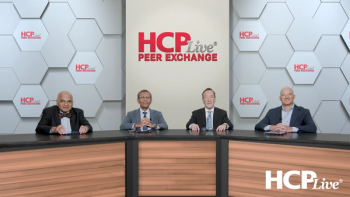
Panelists discuss how improving adherence requires both individual strategies like smartphone reminders and smart medication monitoring devices, as well as population-level interventions including reducing sodium content in processed foods and harmonizing hypertension guidelines to address the epidemic of poorly controlled blood pressure.
Panelists discuss how newer therapies will likely be incorporated into guidelines with improved reimbursement structures over time, similar to the evolution seen with lipid-lowering medications, making advanced treatments more accessible for patients with uncontrolled blood pressure.

Over 11,000 bottles have been voluntarily recalled in response to a consumer complaint of a foreign substance inside a tablet, later identified as aluminum.
July delivered 9 impactful advancements across the gamut of disciplines in cardiology.
Panelists discuss how follow-up strategies should include monthly visits initially with more frequent monitoring for high-risk situations, emphasizing home blood pressure monitoring and utilizing team-based care approaches with optimal visit intervals of 4 to 6 weeks to avoid both therapeutic inertia and overadjustment.
Panelists discuss how shared decision-making requires explaining the rationale for blood pressure control, addressing patient fears about medications, and utilizing newer drug classes like endothelin receptor antagonists that offer a “clean slate” approach for patients who have had negative experiences with traditional therapies.

A panelist discusses the importance of comprehensive patient reassessment before advancing to dual endothelin receptor antagonists or aldosterone antagonists, emphasizing that successful resistant hypertension management requires integration of advanced pharmacological therapies with lifestyle interventions and ongoing patient support.
Panelists discuss how medication reduction is occasionally possible in well-controlled patients over time, particularly with diuretics when sodium intake decreases or calcium channel blockers to reduce edema, while being cautious about maintaining adequate blood pressure control and avoiding drugs that worsen kidney function.
Panelists discuss how aggressive blood pressure targets below 130 mm Hg (preferably 120 mm Hg) should be pursued in most resistant hypertension patients using combination therapies, while individualizing goals based on patient age, tolerability, and comorbidities.
A panelist discusses real-world clinical experience with aprocitentan showing remarkable blood pressure improvements in heavily pretreated patients, with manageable side effects like mild fluid retention that can be addressed through diuretic adjustments.
Panelists discuss how to sequence fourth-line treatments for resistant hypertension, with spironolactone remaining first choice for most patients with normal renal function, while newer endothelin receptor antagonists offer advantages for patients with chronic kidney disease or those intolerant to aldosterone antagonists.
Panelists discuss how the PRECISION trial subanalysis showed aprocitentan worked equally well in Black patients as in White patients, which is particularly important given the higher prevalence and complications of resistant hypertension in Black populations, with emphasis on adequate diuretic management to prevent peripheral edema.
An audio recap of the top 5 stories in healthcare news from the week of 07/07-07/13.
A panelist discusses how aprocitentan, a dual endothelin receptor antagonist, represents a breakthrough treatment that blocks both A and B receptors to achieve clinically meaningful blood pressure reductions in resistant hypertension patients.
Advertisement
Advertisement
Trending on HCPLive
1
From Injectable to Oral: Optimal Durable Clearance Across the IL-23 Class
2
Ritlecitinib Stabilizes Vitiligo in Tranquillo Trial, With Iltefat Hamzavi, MD
3
Advances in Treating High-Impact Psoriasis from EADV 2026
4
FDA Updates Sotatercept Label, ERS Releases PAH Guidelines Based on HYPERION Data
5