





Hypertension
Latest News
Advertisement
Latest Videos







CME Content























































Advertisement
More News

Parent company United Therapeutics announced ralinepag’s substantial reduction in worsening clinical events, as well as improving 6MWD and NT-proBNP.

Bress highlights the potential shortcomings of relying on the Apple Watch as a diagnostic tool for hypertension, discussing its potential for false negatives.

Hardy discussed the disparity between treatment access and usage, highlighting the fact that most patients are within 10 mmHg of guideline recommendations.

The new approval allows for repeat administration of iDose TR, modifying the existing single-administration label.
Frikke-Schmidt discusses the newfound genetic correlation between vascular-related dementia and an increased BMI, partially mediated by high blood pressure.
Palaniappan explains what steps to take in managing cardiovascular disease risk among a population that does not adhere to the Life’s Essential 8 guidelines.

Despite being considered superior to in-clinic measurements, a substantial number of patients do not follow the HBPM guideline recommendations of 12 readings per week.

Global analysis links elevated BMI and low physical activity to rising hypertension-related chronic kidney disease burden, with deaths projected to increase through 2050.
Catch up with major FDA decisions, critical conference news, and more.

The submission follows positive results from the BaxHTN trial, which saw the investigational aldosterone synthase inhibitor improve systolic BP versus placebo.

Yan discusses the reversion of 50-year trends in mortality and the steps needed to reduce these rates back to pre-pandemic levels.

Tamura discusses the positive results of the phase 2 trial and its implications for the treatment of a specific subset of patients with high-sensitivity IL-6 PAH.
Whelton discusses the successful results of an open-label extension investigating GMRx2 (WIDAPLIK), a novel triple combination pill for hypertension.

Sotatercept Improves Composite Mortality Endpoint in Patients With PAH, With Vallerie McLaughlin, MD
McLaughlin discussed the previous ZENITH, PULSAR, and STELLAR trials, and how this pooled cohort analysis emphasizes sotatercept’s impressive efficacy.
Catch up with groundbreaking FDA decisions, exciting new GLP-1 news, and more.

Recent research has highlighted the influence of minor beat-to-beat changes in blood pressure on the left side of the brain.

This conference preview with Viet Le, DMSc, PA-C, for the 2025 AHA Scientific Sessions highlights the top 5 trials to watch.

Preeclampsia, gestational diabetes, preterm delivery, large for gestational age, and other hypertensive disorders of pregnancy are now risk factors.

The phase 3 ZENITH trial showed sotatercept’s superiority over placebo in reducing morbidity and mortality outcomes in adults with WHO FC III or IV PAH.
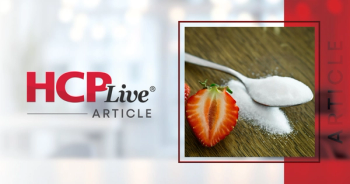
Risks of myocardial infarction, stroke, heart failure, and other debilitating cardiovascular diseases may be directly influenced by adolescent sugar intake.

Saxena discusses lorundrostat’s efficacy in lowering systolic blood pressure regardless of additional antihypertensive medications.

Vaidya describes the prognostic approach to pulmonary hypertension in the revised Echocardiographic Assessment of the Right Heart Guidelines.

An audio recap of the top 5 stories in healthcare news from the week of 10/5-10/11.

The Q3 recap for cardiology spotlights major FDA decisions, new heart failure and hypertension guidelines, and top trial results and research.
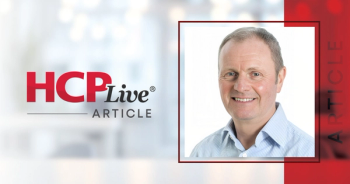
The investigative therapy for treatment-resistant hypertension resulted in a substantial reduction in ambulatory 24-hour average systolic blood pressure versus placebo.
Advertisement
Advertisement
Trending on HCPLive
1
From Injectable to Oral: Optimal Durable Clearance Across the IL-23 Class
2
Ritlecitinib Stabilizes Vitiligo in Tranquillo Trial, With Iltefat Hamzavi, MD
3
Advances in Treating High-Impact Psoriasis from EADV 2026
4
FDA Updates Sotatercept Label, ERS Releases PAH Guidelines Based on HYPERION Data
5