

































































The newly-revealed structure of the neurotransmitter GABAA, a γ-aminobutyric acid, opens new possibilities for drugs to treat epilepsy, anxiety, and insomnia.
The newly-revealed structure of the neurotransmitter GABAA, a γ-aminobutyric acid, opens new possibilities for drugs to treat epilepsy, anxiety, and insomnia.

On behalf of Pernix Therapeutics, Dr. Bruce Corser (Medical Director, Sleep Management Institute, Cincinnati, OH) describes how he approaches diagnosing and treating insomnia. He discusses cognitive behavioral therapy (CBT), as well as common medications, such as over the counter options, benzodiazepines, non-benzodiazepines among others, to consider with your patients.
On behalf of Pernix Therapeutics, Dr. Damon Raskin (Diplomate of the American Board of Addiction Medicine, Pacific Palisades, Ca) discusses the different types of insomnia, including sleep onset and sleep maintenance insomnia. Dr. Raskin also highlights how age can affect what type of insomnia your patients might be experiencing, as well as treatment goals and examples.
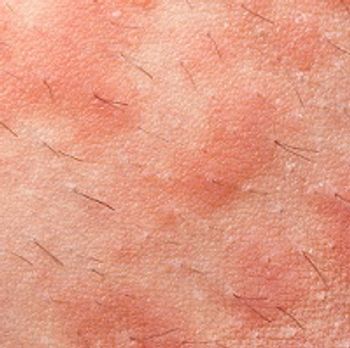
In the past 15 years, no new topical AD treatments have been approved. Crisaborole, however, could be an efficient, safe, non-steoidal treatment option, according to the results of two recent phase III studies.
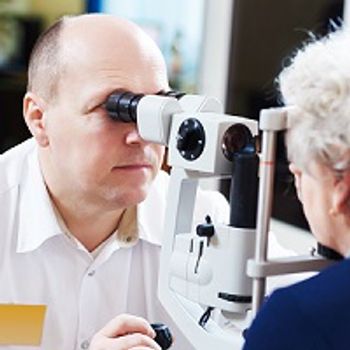
Researchers set out to see how prevalent sleep problems are in people with age-related macular degeneration (AMD) at the 34th Annual Scientific Meeting of the American Society of Retina Specialists (ASRS 2016) in San Francisco, California.

For millions of Americans, including as many as one in four children, the painful skin irritation of atopic dermatitis (AD, or eczema), may only be the tip of the iceberg.

If a young person has sleep problems, there’s an increased risk that they will have chronic pain in the long-term.
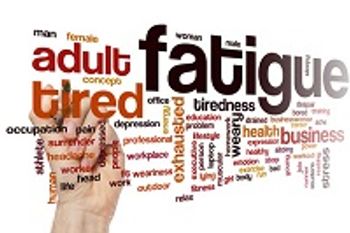
Being depressed or tired makes people less alert, but not sleepy, a Canadian study found. That means that sleepiness and poor alertness are not the same, and that doctors should not use the terms interchangeably.
The rising sun and moon may not be the only opposite partners when it comes to sleeping and waking. A research team at Northwestern University recently discovered a pair of opposing ion channels may be turn circadian neurons in the brain on and off on a daily cycle.
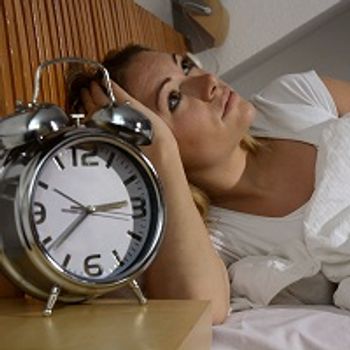
A pattern of sleep disturbance is a risk factor for depression and suicide and also increases the risk of cancer, infection, hypertension, weight gain, heart disease, diabetes, inflammation, osteoporosis, chronic pain, and arrhythmias. It can also have a significant negative impact on cognition and creativity.
A new study suggests "the presence of an intrinsic sleep problem specific to attention-deficit/hyperactivity disorder (ADHD) and supports the idea that children with ADHD may be chronically sleep deprived and have abnormal REM sleep."