


Insomnia
Latest News
Advertisement
Latest Videos



CME Content




























































Advertisement
More News

While investigators acknowledged the need for more high-quality, large-scale trials, cognitive behavioral therapy (CBT) serves as a promising intervention for insomnia in patients with cancer.

MBTI was effective in reducing sleep onset latency discrepancy but not wake after sleep onset discrepancy.

A larger circadian photoreceptor responsivity was significantly linked to a later dim-light melatonin onset in light drinkers.

There was a positive correlation between parental burnout, emotional schemas, and insomnia or hypersomnia.

The relationship between hours of electronic device use and psychological distress was not mediated by insomnia.

Benzodiazepines, eszopiclone, zolpidem, and zopiclone had higher efficacies than melatonin, ramelteon, and zaleplon for insomnia disorder.
The efficacy of treating insomnia sustained throughout the 24-week postintervention follow-up period for the electroacupuncture treatment group.
Dr. Amy Licis details the signs and symptoms of restless leg syndrome and how to identify it from other causes of sleep issues.
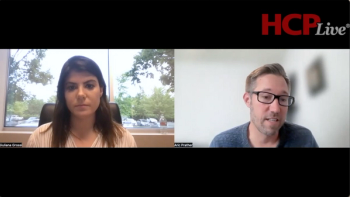
Dr. Aric Prather discusses the pandemic, his research, and his presentation from SLEEP 2022 "Sleep in the Time of COVID: An Update on How Sleep Affects the Immune System".
While there's evidence that blue light exposure can impact an individual's circadian system, Dr. Aric Prather explains that technology is only one factor of the complex issue.

Today in a late-breaking abstract from SLEEP 2022, data showed the reduction of slow wave activity in unmedicated adolescents with depression.

The findings presented at SLEEP 2022 differ from previous studies that evaluated the objective-subjective sleep patterns of this population.

New SUNRISE 2 data show a subjective, dose-dependent, and disease severity-dependent benefit with the insomnia therapy.
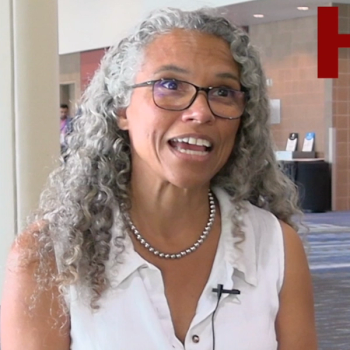
The UCLA-based investigator discusses the unique impact of PTSD on patients' sleep stages, and how they can limit their insomnia.

Investigators hypothesize that the development of culturally tailored interventions could prove beneficial for engaging racial and ethnic minority patients with data-driven insomnia treatment.

New data suggests that symptoms of depression are screened in addition to symptoms of insomnia in affected patients.
Dr. Ruth Benca details the newest findings from the Wake Up America: The Night & Day Impact of Insomnia survey.

The use and legalization of cannabis products has been increasing in the US for a variety of medical concerns. Investigators aim to better understand the risks and benefits of owning a medical marijuana card.

The results of meta-analysis showed that telemedicine methods were more effective in treating chronic insomnia than in-person methods.

In this study investigators analyze the effects that a lifestyle program has on sleep and physical activity in older adults.

The most frequent trajectory for children with insomnia symptoms was persistence, followed by remission and waxing-and-waning patterns.

Daridorexant 25 mg and 50 mg had the best results in comparison with placebo.

Closing their discussion on insomnia, panelists share final thoughts and advice for community physicians.

Expert panelists share their excitement for novel agents that may impact the insomnia treatment landscape.

A brief review of the unmet needs in insomnia management, particularly access to treatment and daytime functioning.
Advertisement
Advertisement
Trending on HCPLive
1
FDA Approves Obinutuzumab (Gazyva) for Idiopathic Nephrotic Syndrome
2
The Case for Routine Kidney Screening, With Pranav Garimella, MBBS, MPH
3
Hereditary Angioedema Triggers, Prodromes Mapped in US HAEA Registry
4
The HCPFive: Top News for Healthcare Providers from the Week of 09/20
5