
































































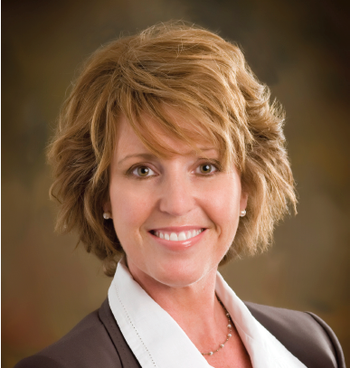
Barton-Maxell details the importance of caring for stage A heart failure patients in the primary care setting.
Barton-Maxell details the importance of caring for stage A heart failure patients in the primary care setting.
This week, the FDA received an application for a metoclopramide nasal spray and a receptor agonist for hypoactive sexual desire disorder, approved baricitinib on its second try, and granted Priority Review to emicizumab for hemophilia A.
Brown spoke about the overall efforts to see patients in a timely manner, ensuring that timeliness and quality go hand-in-hand.

Depression in men–but not women–reduces the chances of pregnancy for infertile couples, a new study suggests.
Brown discussed the overall importance of communication—between not just providers, but patients as well—in making sure the emergency department runs efficiently.

New drugs are celebrated for the lives they can improve, but it’s a long and arduous journey for those developing them and most treatments don’t make it to FDA approval.

Only 6% of respondents said they received any type of financial education during residency, while 79% felt strongly that it should be included in residency education.
Brown spoke about the process changes the hospital has made to improve the workflow of the emergency department.

Husain discussed the overall challenges of making a structure part of the culture in an environment like the emergency department—one that is hectic by nature.

Physicians can play an important role in helping patients define what dying well means to them and, when the time comes, help them make choices that are best for themselves and their families.

Husain spoke about how important it is for staff to know their roles in the ED, and how vital it is to have each member working to the top of their certifications.
Husain details the importance of the hospital administration's role in providing structure to an otherwise chaotic environment such as the emergency department.
Husain spoke about improving the emergency department processes at Hahnemann University Hospital.
This week, the FDA approved the first standalone prosthetic iris, granted priority review to a pediatric anti-epileptic and a postpartum depression drug, accepted another try from an opioid use disorder drug, and announced new plans against the opioid epidemic.

A survey of internal medicine residents found that differing professional needs and perceptions of the field of cardiology were strongly associated with decisions to pursue or avoid cardiology careers.
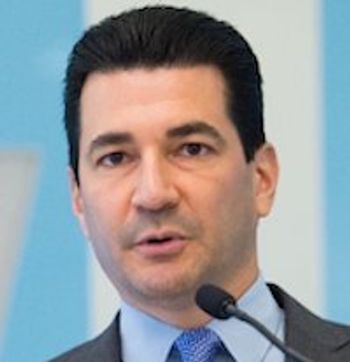
FDA Commissioner Scott Gottlieb addressed the back-end tactics employed by pharmaceutical companies to delay the entry of a generic drug into the market.

Whether comprised of a nurse anesthetist or anesthesiologist assistant, patients undergoing surgery experienced no significant differences in mortality, length of stay, or inpatient costs.
The solution from Sage Therapeutics may become the first treatment indicated for women with postpartum depression.
The NDA for the investigative long-acting subcutaneous buprenorphine injection was turned down in lieu of more data in January.
The T2Bacterial Panel has proven able to detect specific sepsis-causing bacterial pathogens nearly 10 times faster than competitors.

This week on MDNN: Cinnamon flavoring in e-cigarettes has been found to disrupt the lungs’ anti-bacterial defense system, new hypertension guidelines have increased the condition's prevalence, and the US Congress passed a right-to-try bill.
The FDA’s decision was made based on a retrospective analysis of 1000 radiograph images that were used to evaluate the independent enactment of the OsteoDetect AI algorithm.

Those who tweet under the hashtag offer up free advice that can cost thousands of dollars elsewhere, either through CME credits or in medical school.

The bill will now head to President Donald Trump for final approval, which will likely be the case, as the president has repeatedly supported the potential new law, most recently in his 2018 State of the Union address.
Taltz (ixekizumab) is the first FDA-approved treatment for moderate to severe plaque psoriasis that includes data on psoriasis in the genital area.