




Irritable Bowel Syndrome
Latest News
Advertisement
Video Series







Latest Videos







Shorts

2:17
Are Clinicians Overlooking IBS Treatment Risks?
5 months ago
by
Ali Rezaie, MD
Podcasts
CME Content




























































Advertisement
More News

The gastroenterology year in review covers FDA approvals, IBD breakthroughs, IL-23 therapies, new guidelines, and advances in GI care.
Catch up on GI FDA news, new American Gastroenterological Association Crohn’s disease guidelines, and more gastroenterology updates from November.

Study findings suggest ChatGPT and Gemini both require further model improvements before relying solely on LLMs in clinical nutrition practice.

The decision makes linaclotide (Linzess) capsules the first FDA-approved treatment for pediatric patients 7 years and older with irritable bowel syndrome with constipation.
The Q3 recap for gastroenterology spotlights key FDA decisions, new AGA gastroparesis guidelines, and other top GI news and research.
Read about new AGA gastroparesis guidelines, GI FDA news, and more.
Check out expert perspectives on unmet needs and advances in gastroparesis and new research on C. diff, IBS, and more in this August 2025 recap.

The 9-week intervention targeting positive psychological wellbeing in IBS was feasible, well-accepted, and linked to improvements in IBS-related outcomes.

Findings from the IBS in America Survey suggest IBS symptoms disrupt patients’ productivity and personal activities 19 days each month.
From clinical trial updates in IBD to novel research about IBS and other disorders of gut brain interaction, catch up on the latest headlines in GI.

Findings confirm a significant post-pandemic rise in disorders of gut-brain interaction, including IBS and functional dyspepsia.

A new study highlights stress, concussion, and other early-life factors as key contributors to pediatric pain-predominant DGBIs.

Study findings showed IBS patients with self-perceived gluten sensitivity reacted similarly to gluten, wheat, and sham challenges.

Patients who adhered to a strict 12-week low FODMAP diet saw improvements in fatigue, anxiety, and depression, and performed better on an attention test.
The Q2 recap for gastroenterology spotlights top coverage from DDW, expert perspective on the importance of multidisciplinary care, and other new research.
The month in review spotlights perspectives on collaborative GI care, updates in C diff, and new research about disorders of gut brain interaction.

The analysis of Rome Foundation Global Epidemiology Study data identified 4 dietary pattern clusters linked to variations in the global prevalence and severity of IBS.

Despite adequate adherence to a gluten-free diet and declining TTG IgA values, 43% of the pediatric celiac disease patients met Rome IV diagnostic criteria for DGBI.

Jeemin Kwon, MD, describes the role GI symptom-related anxiety plays in shaping dietary patterns and altering the gut microbiome in patients with IBS.
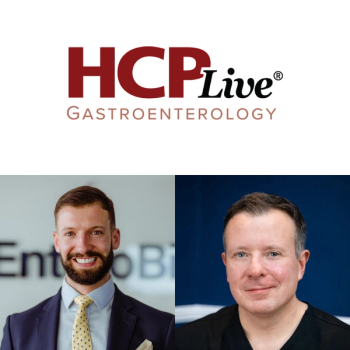
EBX-102-02 was well tolerated and led to clinically meaningful improvements across multiple symptom domains in patients with IBS-C.
This month in review spotlights HCPLive’s coverage of gastroenterology pipeline news, a feature about gastroparesis and migraine, and recent GI research.
The approval of Amneal Pharmaceuticals’ generic version of rifaximin 550 mg oral tablets is tentative due to the product’s involvement in litigation.
This year in review spotlights top GI FDA news from 2024 and new clinical guidance from the American Gastroenterological Association.

Post-hoc analysis findings suggest tenapanor improves both abdominal and bowel symptoms in adult patients with IBS-C.

Frissora reviews findings from a cost-effectiveness analysis comparing the Vibrant System to linaclotide for CIC management.
Advertisement
Advertisement
Trending on HCPLive
1
Phase 3 PARADIGM: HLP003 (Psilocibin-d10) for Adjunctive MDD Use
2
Weekly Insulin Efsitora Alfa (Onswik) Gains FDA approval for Type 2 Diabetes
3
Targeting Gut Candida to Treat IBD, With Iliyan D. Iliev, PhD
4
Why Clinicians Should Not Wait to Augment Inadequate Response in MDD
5