






Irritable Bowel Syndrome
Latest News
Advertisement
Latest Videos




CME Content




























































Advertisement
More News

A new study discovers patients with IBD who respond well to high-dose thiamine treatment have an abundance of faecalibacterium prausnitzii.
The HCPLive August gastroenterology month in review spotlights expansions in gastrointestinal treatment and screening access as well as the newest edition of Qazi Corner.
The May 2024 gastroenterology month in review spotlights top research from Digestive Disease Week 2024 and the FDA approval of ColoSense.

Lembo describes the potential of a multi-species synbiotic for the treatment of IBS based on findings from an exploratory study he presented at DDW.

Singh explains a potential new approach to the low FODMAP diet based on findings from research he presented at DDW suggesting a simplified step-up method.

In recognition of World IBS Day, we spoke with Jeffrey Roberts about what led him to found the holiday in 2019 and took a closer look at the continued marginalization of the condition.

The post-hoc analysis found tenapanor significantly improved weekly scores for abdominal pain, discomfort, and bloating, as measured by the Abdominal Score.
Test your knowledge of the AGA Clinical Practice Guideline on Fecal Microbiota-Based Therapies for Select Gastrointestinal Diseases with this clinical quiz!

Our February 2024 month in review highlights EoE pipeline news, new FMT guidelines, and research about endoscopic inflammation and disease activity in IBD.
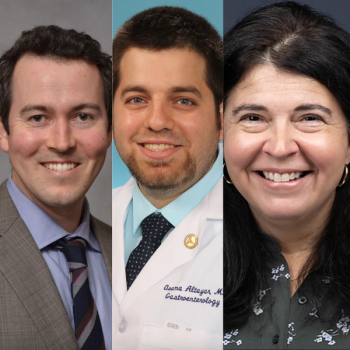
Investigators from the guideline panel discuss the AGA’s recommendations regarding the use of fecal microbiota-based therapies for CDI, IBD, and IBS.

The guideline recommends fecal microbiota transplant in most cases of recurrent Clostridioides difficile infection but does not suggest fecal microbiota-based therapies for IBD or IBS.

Adhering to a greater number of healthy lifestyle behaviors was linked to a decreased risk of incident IBS, suggesting lifestyle modifications may help prevent its onset.

The new data was published in The Lancet Gastroenterology & Hepatology and highlighted additional efficacy endpoints from the study used to support linaclotide’s FDA approval in 2023.

Pretreatment vitamin D levels were associated with endoscopic improvement in patients with UC and decreased C-reactive protein levels in patients with CD.

New QUASAR analysis shows patients with intolerance or failed response to advanced therapies nonetheless achieved benefit with guselkumab.

Presented at United European Gastroenterology Week 2023, results of the retrospective study showed ferric maltol was safe for us in pregnant patients with IBD and iron deficiency anemia.

Presented in an abstract at ACG 2023, filgotinib missed both co-primary endpoints at week 10 but was efficacious at week 52 in the maintenance cohorts.

Results from the phase 3 ATLANTIS study showed amitriptyline was superior to placebo across multiple symptom-based outcomes for patients with IBS.

Screen time ≥2 hours/day at 8 years of age was associated with an increased risk of developing IBD.

The role of psychiatric care may be understated in treating IBD in children and adolescents nearing adult age.

More than half of patients in the mirikizumab arm achieved clinical remission at week 52.
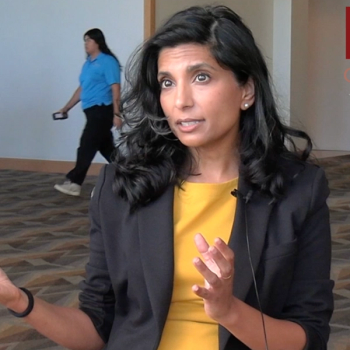
The features of pediatric IBD can be non-specific, but there are signs in biopsies and clinical history that may indicate what is and isn't IBD.
Major advances to biomarkers, targeted therapies and a modernized care team could help IBD specialists achieve a more nuanced care strategy for children.

Findings from the pivotal phase 3 trial that which supported linaclotide's FDA approval show significant benefit in bowel movement and stool consistency.

Parents in the active disease group indicated greater levels of anxiety than parents of children without active IBD, suggesting a correlation between parental mental health and their child’s disease activity.
Advertisement
Advertisement
Trending on HCPLive
1
Phase 3 PARADIGM: HLP003 (Psilocibin-d10) for Adjunctive MDD Use
2
Weekly Insulin Efsitora Alfa (Onswik) Gains FDA approval for Type 2 Diabetes
3
Targeting Gut Candida to Treat IBD, With Iliyan D. Iliev, PhD
4
Why Clinicians Should Not Wait to Augment Inadequate Response in MDD
5