






Irritable Bowel Syndrome
Latest News
Advertisement
Latest Videos




CME Content




























































Advertisement
More News

Twelve additional weeks of subcutaneous risankizumab induction was efficacious and well-tolerated in patients with Crohn's disease following an initial risankizumab 12-week induction dose.

Risankizumab induction relieved Crohn's disease symptoms and maintenance doses were effective in resolving abdominal pain, with other mixed findings for other patient-reported outcomes in the maintenance phase.

NAFLD patients had a 13% higher risk of developing IBS after multivariable adjustment compared to patients without NAFLD.

IBS-type symptoms were not linked to an increased likelihood of the need for glucocorticosteroids or flare, escalation, hospitalization, or intestinal resection.

Experts in gastroenterology share take-home messages for the management of ulcerative colitis.
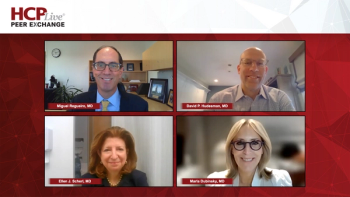
David P. Hudesman, MD; Marla Dubinsky, MD; Ellen J. Scherl, MD; and Miguel Regueiro, MD, provide advice for physicians treating patients with ulcerative colitis.

Drs David P. Hudesman, Ellen J. Scherl, Marla Dubinsky, and Miguel Regueiro, explore novel therapies in the pipeline and discuss approaches to optimizing sequencing and treatment selection for ulcerative colitis.
Experts in gastroenterology discuss their approach to sequencing therapies in ulcerative colitis, considering safety, efficacy, and access to various treatment regimens and comment on challenges physicians may face when incorporating new therapies into clinical practice.
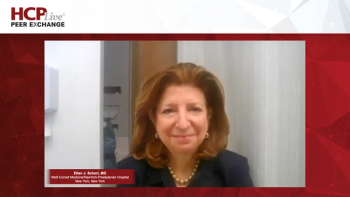
Ellen J. Scherl, MD, reviews data from the phase 3 True North study evaluating the use of ozanimod as induction and maintenance therapy for moderate to severe ulcerative colitis, and the panel shares their experience with ozanimod in clinical practice.
Ellen J. Scherl, MD, leads a discussion on challenges faced with traditional ulcerative colitis treatments.

The mean values of stool scale form also increased in the kombucha cohort, while the control group remained unchanged.

Smoking was not linked to colonic transit times and colonic transit was not associated with IBS symptom severity.

The most common diagnoses were found to be non-malignant, including upper gastrointestinal problems in men and urinary tract infections in women.

These signatures were also related to unfavorable stress responses related to gastrointestinal symptoms.

The new guidance restructures how study designers should look at trial population, efficacy benchmarks, and safety in clinical trials involving drug development.

Propolis is a resinous give product collected by honeybees from varied petals and plant buds sources.

A combination of first-line management consisting of validation, explanation, and a positive diagnosis, non-pharmacological treatments, and pharmacological treatment should be considered for pediatric patients with IBS or functional abdominal pain disorders.

Patients with irritable bowel syndrome more frequently self-reported non-celiac gluten sensitivity compared to the control group, as well as major gastrointestinal symptoms found in the study included bloating, abdominal discomfort, and belching.

There were no associations found between infantile colic and the risk of developing functional gastrointestinal disorders at age 4-6.

In a study presented at ACG, investigators focus on quality of life improvements for patients with irritable bowel syndrome.

Students with IBS were also linked to depression and anxiety symptoms.

Taste scores were significantly correlated with depression scores for both patients with irritable bowel syndrome and functional constipation.
The FODMAP diet is considered a preferable option for patients with irritable bowel syndrome.

IBS is considered 1 of the most expensive conditions in gastroenterology.

Data show patients with chronic IBS had six times the odds of developing glaucoma (OR 6.58; 95% CI, 2.00 - 16.89), in comparison to those without chronic IBS.
Advertisement
Advertisement
Trending on HCPLive
1
Phase 3 PARADIGM: HLP003 (Psilocibin-d10) for Adjunctive MDD Use
2
Weekly Insulin Efsitora Alfa (Onswik) Gains FDA approval for Type 2 Diabetes
3
Targeting Gut Candida to Treat IBD, With Iliyan D. Iliev, PhD
4
Why Clinicians Should Not Wait to Augment Inadequate Response in MDD
5