



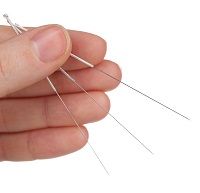
























































Study results suggest that extracorporeal shock wave therapy may be an effective pain reliever for patients suffering from coccydynia.
Study results suggest that extracorporeal shock wave therapy may be an effective pain reliever for patients suffering from coccydynia.

In the history of military medicine amputation has been a common practice through the years. As technology has developed work has been done to see whether limbs that might have otherwise been amputated in the past can in fact be salvaged in some way going forward.

Located in San Antonio Brooke Army Medical Center has undergone considerable changes since opening nearly 20 years ago. Those changes have meant better care not only for their local patients but also service members who are sent there from all over the world on a daily basis.

Patients suffering from the most common hereditary bleeding disorder von Willebrand disease (VWD) also undergoing surgical procedures are recommended specific treatment methods to manage perioperative anticoagulation.

Migraines affect about 12% of the US population, according to the Centers for Disease Control and Prevention (CDC), and another condition could indicate that the painful disorder will become chronic.

A recent study suggests that pain is inadequately treated in emergency departments, for a variety of reasons.

Malignant hyperthermia is a potentially fatal disorder usually associated with administration of certain general anesthetics and/or succinylcholine. Until 30 years ago, its etiology was unknown. Then, researchers found that people who carry an autosomal dominant calcium channel mutation are at elevated susceptibility.

The hallmark degenerative process in spinal cord injury may be caused by lysophosphatidic acid, the lipid that acts as a signal between various cells, according to findings published in The Journal of Neuroscience.

Pharmacologic approaches are still "the most widely used therapeutic options to ameliorate persistent pain," according to this overview from UpToDate. But with growing awareness of the potential negative outcomes associated with long-term opioid therapy, a newly discovered approach may be just what the doctor ordered.
Pain is not fully understood; and while that isn't a revelation, the way that it connects to pain empathy in the brain is noteworthy. Similar brain regions activate during both phenomena, potentially opening the door for researchers to gain that understanding.
Have you ever wondered what that ringing "in the ears" sensation is all about? Well it appears that the brain region responsible for the phenomenon shares a gateway with chronic pain.

A study in the British Journal of Pain examined ethnic differences in pain tolerance and came to a strong, perhaps not so shocking, conclusion.

Negative emotions can affect more than your mental health; a recent report concluded they also make painful conditions even worse.

A Canadian company announced it would invest $100 million (US dollars) in Jamaican marijuana research and development. A Colorado company also plans to invest there. Though marijuana has long been grown in Jamaica and exported illegally, the island's government decriminalized medical use in February.

While everyone should keep their cholesterol levels under control, those who suffer from migraine headaches may want to pay extra attention to their diet and exercise routine.

Women suffering from primary dysmenorrhea – painful menstruation in the absence of any sort of pelvic pathology – are unlikely to think much of it, chalking it up to a normal part of the menstrual cycle. A review in Human Reproduction Update, however, suggests that health professionals and pain researchers also generally ignore the condition.

An analysis in Canadian Family Physician casts further doubt on the ability of marijuana to provide pain relief for patients with chronic noncancer pain (CNCP). Yet, in an accompanying editorial in the same issue, Roger Ladouceur, MD, Associate Scientific Editor of CFP, suggests that pain management specialists continue to prescribe it.

Cardiovascular patients are the focus of the recent drug approval by the Food and Drug Administration (FDA). Branded under the name Durlaza, the 24-hour extended-release aspirin is the first of its kind and is expected to become available before the end of the year.

Study results show that opioid overdoses appear to frequently occur in patients who are not chronic users with high prescribed doses of opioids, in contrast to the patient groups targeted by current opioid prescribing guidelines.

A new study suggests that pregabalin shows significantly greater improvements in pain-related interference of sleep relative to usual care in patients with chronic low back pain with accompanying neuropathic pain (CLBP-NeP).

Researchers in Brazil recently noted that marijuana use may mitigate some of the more severe psychiatric side effects associated with crack cocaine addiction, potentially making it easier for addicts to stop using the drug.

Trigeminal neuralgia is often mistreated or under-treated. Even when treatment is appropriately delivered, there can be troublesome side effects and complications. Proper diagnosis and treatment typically involves coordination of care among neurologists, anaesthesiologists, dentists, neurosurgeons, and neuroradiologists
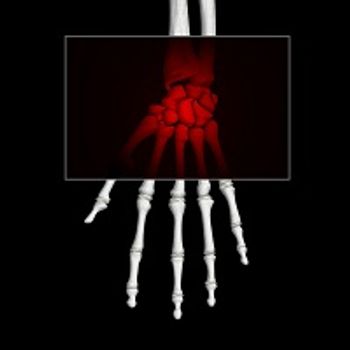
With migraines more than twice as prevalent in patients with carpal tunnel syndrome as in those without, it is clear there is a link between carpal tunnel syndrome and migraine.

Using the widely taught 'safe triangle' approach to transforaminal epidural injections can paralyze patients. There's a safer way.

Chicago-based pain specialist Scott Glaser, MD, is on a crusade. He wants his colleagues to stop using an injection technique that paralyzed his own patient.