




























































Scientists from the National Institutes of Health (NIH) are adding to the opioid epidemic conversation with a review highlighting the benefits of toga, tai chi, and acupuncture.
Scientists from the National Institutes of Health (NIH) are adding to the opioid epidemic conversation with a review highlighting the benefits of toga, tai chi, and acupuncture.

Do you suffer from migraines? Cluster headaches? Tension headaches? Other kinds of headaches? All of them are related to a thyroid disorder, according to new research from the University of Cincinnati (UC).

On 9/11/01 Manuel Delgado was a paramedic caring for patients at the base of the south tower. Delgado shares his first hand account of the attack on the building, patient care, survival, and the implications of events of the day on paramedic practice in New York City.

Pain management is everyone's job. It's a human problem.

Oxycodone is one opioid option for patients with chronic pain and other conditions. The drug, however, has not been extensively studied in older patients.

Different types of pain respond to different medications; so a collaborative team across the United States and United Kingdom looked at how the Chronic Pain Questionnaire (CPQ) can assist in making those important treatment decisions.

There have been big steps taken to help combat the opioid abuse epidemic but there is still much more work to be done. Several leading organizations and pharmaceutical companies to help patients with overdose and prevent abuse in the first place.

There’s many benefits to using nitrous oxide for analgesia – which is why it’s a staple for dentists. Dubbed “laughing gas,†the tasteless, colorless gas has proven to be safe and effective for both adults and children.

There is a lot of regulatory scrutiny, media attention, and confusion about managing pain, so patient education should be at the forefront of physicians' minds.

Despite the availability of several treatment options, many people with migraine aren’t satisfied with their outcomes, according to the national Migraine in America 2016 survey created by Health Union.

A recent study published in The Journal of Pain looked at the effect of marijuana treatment on neuropathic pain.

As it is becoming clearer how dangerous opioids can be for some patients work is being done to find alternatives to help manage pain without as much fear of addiction.

Previous research has concluded that acetaminophen (Tylenol) worsens disease activity in children with asthma; however, a new study refutes that finding in The New England Journal of Medicine.

Acetaminophen – the most common drug ingredient in the United States – has been believed to be safe for pregnant women, no matter what stage of pregnancy they’re in. A new study published in the Journal of the American Medical Association (JAMA) Pediatrics challenges that belief.

Study results show that adults with chronic low back pain are more likely to use illicit drugs—including marijuana, cocaine, heroin, and methamphetamine—than those without chronic low back pain.

Long used in traditional medicine, new research illustrates the specific mechanisms by which plant-derived diterpenoids are able to alleviate pain and inflammation.

Although designed to make taking medications simple and easy to remember, pill organizers could spell trouble for older adults.

People with traumatic brain injury (TBI) often times suffer from serious headaches. But if the patient wants to take potentially addictive opioids off the table, what’s another option?

Medical sternotomy is a highly accessible route of entry into the chest cavity but apt to introduce infectious microbes.

Patients with heart rhythm problems likely to develop strokes are often incorrectly prescribed aspirin instead of necessary blood-thinning medications.
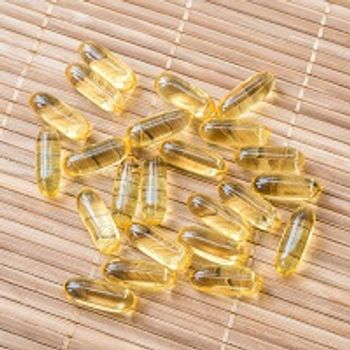
Many children and young adults with migraine have mild vitamin deficiencies – but does this mean that a causational relationship exists between the two conditions?

Over-the-counter diarrhea drug loperamide (Imodium/Johnson & Johnson Consumer Inc.) has recently been in the news because opioid abusers have been using it to self-treat symptoms of opioid withdrawal. Others abuse it for its euphoric properties.

A University of Queensland (Australia) researcher appears to have overcome a substantial hurdle in harnessing the potential of marine snail venom as a means for pain medicine.

Marijuana and alcohol – studies suggest that one of these substances helps patients with multiple sclerosis while the other can contribute to comorbidities.

Abnormal scarring is troublesome for patients, for both its cosmetic inelegance and pain.