




Psychiatry
Latest News
Advertisement
Latest Videos







CME Content




























































Advertisement
More News

Data show myopic children experienced higher scores of depression than normally-sighted children.

Dr. Amy Licis details recent observations regarding potential underlying neurobiological reasons for sleep disturbance in pediatric patients with ADHD or autism.

Sleep issues are prevalent among children with autism or ADHD and both these common disorders are increasing. Any provider working with children is most likely going to encounter patients struggling with sleep.

The study from SLEEP 2022 is the first to explore directionality of sleep-stress relationships in a sample of perinatal women.
Investigators observe an increased risk of dream enactment among specific subgroups of veterans with trauma.

Dr. Aric Prather and his team at UCSF are running a large study that began in March 2021 which follows healthy individuals through the COVID-19 vaccination and booster process.
The findings presented at SLEEP 2022 differ from previous studies that evaluated the objective-subjective sleep patterns of this population.
A Montefiore residency director explains the impact of engaging with communities to improve mental health care capability.

Montefiore's Carol A. Bernstein, MD, discusses the role of psychiatry specialists in discerning their colleagues' need for mental health care or resolutions to burnout.
The majority of treatment emergent adverse events were mild to moderate in severity.

AXS-05 also showed superiority to placebo in safety.

The public perception of marijuana has shifted significantly, and Dr. Timothy Fong addresses how to keep up with progressive research and what risk factors still need to be better understood.

Gina Poe, PhD, discusses the potential role of beta blockers in treating psychiatric illness-related sleep, as well as the specific benefit of melatonin.
NIDA research director Carlos Blanco-Jerez, MD, PhD, reviews how stigma, language barriers and digital health create disparate outcomes in mentally-ill Hispanic patients.
Lois Choi-Kain, MD, MEd, discusses her field's interest in improving the modern diagnosis and evidenced-based treatment of personality disorders.
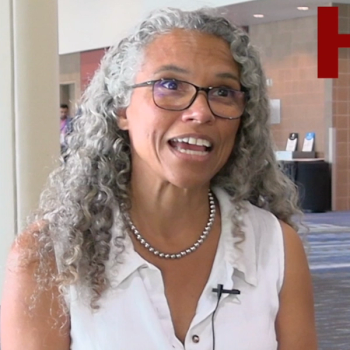
The UCLA-based investigator discusses the unique impact of PTSD on patients' sleep stages, and how they can limit their insomnia.
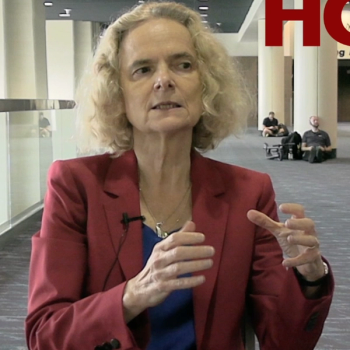
The director of NIDA discusses the interplay of substance use disorder and pain in patients, as well as means to assure patients are receiving evidenced-based treatment.
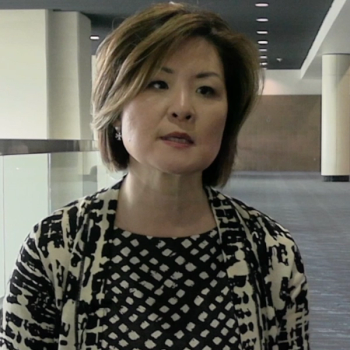
Lois Choi-Kain, MD, MEd, discusses the unique presentations of disease and burdens of care that impact younger patients with BPD.
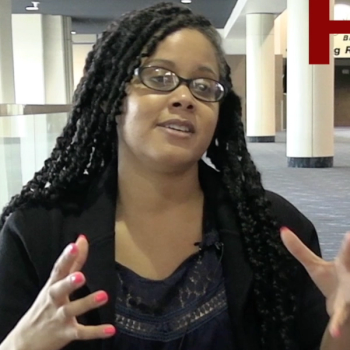
The modern psychiatrist may play many roles, including as a mentor and a facilitator to social-based support.
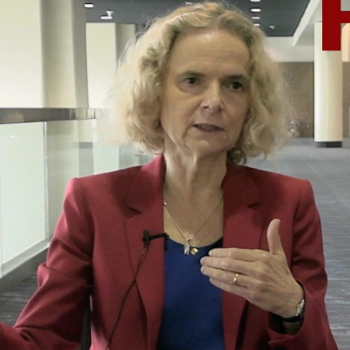
The NIDA director reviews neuromodulation's potential role in treating patients with multiple use disorders, and the importance of patient feedback in shaping clinical research.

Rachel Talley, MD, discusses the industry-level changes needed to trainee recruitment and retention to create a psychiatry field more representative of its patient population.
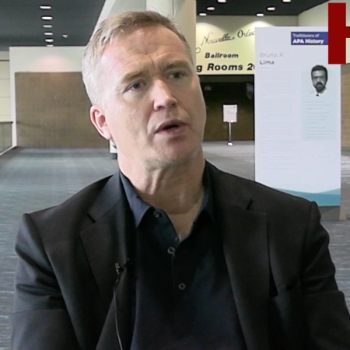
With administration strategies for the psychiatric anesthetic drug well established, clinicians have interest in accumulating long-term data and other potential indications.
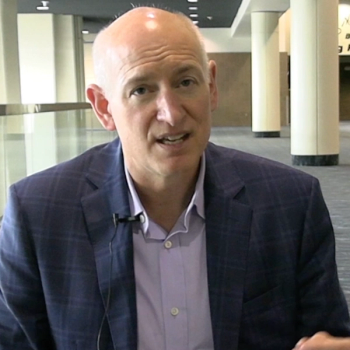
Brent Forester, MD, MSc, discusses the confluence of biomarker and disease-targeting therapy in Alzheimer's, and the need to appropriately introduce these tools.
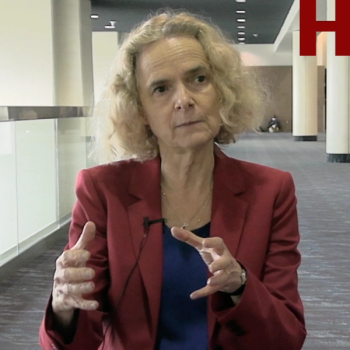
The director of NIDA discusses the unprecedented impact of the pandemic on overdose deaths—and how substance use disorder care may still reach greater capability when all is said and done.
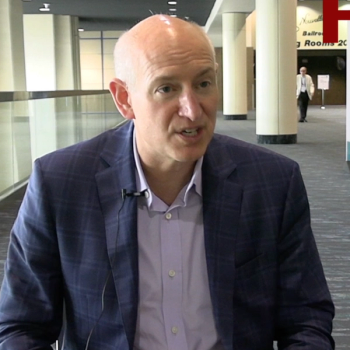
Dementia and Alzheimer's disease cases are anticipated to boom in coming decades. One expert stressed the need for improved screening and facilitation of care at the earliest stages and signs.
Advertisement
Advertisement
Trending on HCPLive
1
The Case for Routine Kidney Screening, With Pranav Garimella, MBBS, MPH
2
FDA Approves Obinutuzumab (Gazyva) for Idiopathic Nephrotic Syndrome
3
Anti-Alpha-Gal Antibodies Block IgE Binding in Alpha-Gal Syndrome
4
Zilurgisertib Receives FDA Approval for FOP in Patients 12 and Older
5