





Psychiatry
Latest News
Advertisement
Latest Videos




CME Content




























































Advertisement
More News
There are numerous individual and systemic barriers that preclude this vulnerable population from taking preventative measures.

Preschool children with asthma, food allergies, and pollen/fur or dust mite allergies are at increased risk of having concurrent mental health problems.

More studies are needed to examine other methods of ADHD assessments.
Experts expect more individuals to face mental health challenges caused by the events of 2020.

Repeated Transcranial Magnetic Stimulation shows more efficacy treating bipolar disorder than schizophrenia.

Inflammatory bowel disease patients were surveyed about their remission or flare-up status, as well as their expectations for a flare-up over the next 2 months.

The risk of suicidality and psychological adverse events appears to be particularly high in younger men with alopecia who are given finasteride.

The lipid profile changes were not significant after 6 months, while the changes in the lipid profile are due to other factors and not the drugs.

An interview with a pain specialist on advancing alternative pain therapy options.

The first-line atypical antipsychotic was linked to better outcomes in patients than comparators aripiprazole and olanzapine.

Investigators find frailty is a key risk factor for age-related cognitive dysfunction and dementia.

The agency did not find any efficacy or safety issues regarding the potential treatment for adults with schizophrenia or bipolar I disorder.

The study authors noted that dementia prevention could become a compelling indication for older individuals receiving antihypertensive treatment.
Nightware provides vibrations when it senses the user is having a nightmare.
Supernus indicates no efficacy or safety concerns from their pediatric ADHD medication.

A greater number of cumulative days of montelukast use did not increase the risk of ADHD in these patients.

Researchers have been unable to leverage new technology for ADHD screening.
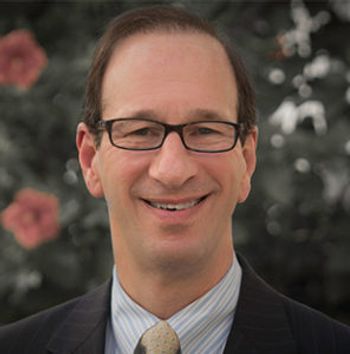
Dr. David Goodman discusses the gaps in ADHD treatment.

Researchers find 1 lipid class and 6 miRNAs differed significantly between different treatment groups.
It is possible to diagnose patients with ADHD as young as 2 years old.

AXS-05 significantly relieved agitation, demonstrating a change from baseline in the CMAI total score of 15.4 compared to 11.5 for the placebo.
Treatment for ADHD is similar for adolescents and adult patients.
Dr. David Goodman will present 5 times during NEI about different ADHD issues and topics.
A large portion of communication is non-verbal.

Clinicians rated 82% of the patients receiving the study drug and 46% in the placebo group as either much improved or very much improved on the Clinical Global Impression of Improvement scale.
Advertisement
Advertisement
Trending on HCPLive
1
The Case for Routine Kidney Screening, With Pranav Garimella, MBBS, MPH
2
FDA Approves Obinutuzumab (Gazyva) for Idiopathic Nephrotic Syndrome
3
Zilurgisertib Receives FDA Approval for FOP in Patients 12 and Older
4
Anti-Alpha-Gal Antibodies Block IgE Binding in Alpha-Gal Syndrome
5