





Pulmonology
Latest News

Advertisement
Latest Videos




CME Content




























































Advertisement
More News

Days with a combination of a heat wave and high fine particulate matter air pollution may double the risk of a fatal heart attack, says new research.

Vogel reviews the struggles behind adequately diagnosing long Covid and quantifying its impact of disease at this time of clinical research.

Lungcast's July episode guest discusses how long Covid therapy development is still about 5 years away from the market.

The American Heart Association has released a new scientific statement on the current science on the health effects of e-cigarette use and calls for more studies regarding their long-term impact.
In the latest Lungcast, a nationally-leading researcher and long COVID patient discusses what's known and unknown about the chronic viral syndrome.

The data provide promising results, yielding a smoking abstinence rate of 26.4% in the intervention group at 18 months.

Increasing e-cigarette sales and flavor shifts underscore the need for stricter regulations, according to a CDC Foundation, Truth Initiative.
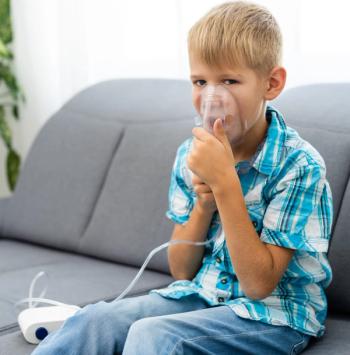
A new study highlights the benefits of using the hypertonic saline test to determine the appropriate dose of inhaled corticosteroids for managing asthma in children.

Communities already facing social vulnerabilities are more likely to bear the burden of increased smoke exposure.
COVID-19 vaccination in patients with cystic fibrosis generates antibody responses similar to those in the general population, according to a recent study

The analysis of 2021 data show lung cancer screening rates increased 8.4% since 2019 to 21.2%.

Investigators explain understanding these disparities is crucial for developing targeted interventions to improve screening rates and reduce health inequities.

"Our research is unique in its attempt to describe a high-need, high-cost patient population who might benefit from increased monitoring or intervention," Dr. Ann Cameron says.
A geriatric expert, Presley provides a poignant point-of-view on the need for a multidisciplinary approach to patient care, as well as advances in treatment that include targeted therapies.

Criner and colleagues concluded that the 5-year results from the EMPROVE trial demonstrated that Spiration Valve System (SVS) treatment was safe and durable, effectively improving lung function in patients with emphysema

Diagnosis, evaluation, and treatment recommendations for pregnant individuals with asthma follow similar principles as for nonpregnant patients, but investigators address specific challenges.

“We all know that exacerbations are the most costly disease impact of COPD,” study investigator Dr. Charlie Strange says.
Amid mass poor air quality exposure due to ongoing Canadian wildfires, Lungcast reviews air quality index, signs and symptoms of acute and long-term poor air exposure, high-risk patient populations, and the concerning future of particle pollution exposure.

The team aimed to examine the impact surgical treatment of obstructive sleep apnea had on periodic limb movement index in pediatric patients.

Dr. Jean-Pierre Llanos Ackert and Dr. Chris Ambrose discuss the latest data on the breakthrough biologic for severe asthma.

Patients treated with NAL ER demonstrated a 75.1% decrease in daytime cough frequency and a 76.1% decrease in 24-hour cough frequency compared with placebo.

Investigators Dr. Jean-Pierre Llanos Ackert and Dr. Chris Ambrose share insight on the efficacy of tezepelumab in severe, uncontrolled asthma, and baseline predictors of enhanced response which support tezepelumab as a promising biologic treatment option.

Late-breaking data validates the FDA clearance of Cytovale's IntelliSep test, demonstrating its potential to aid in the early detection of sepsis in US emergency departments, with the aim of improving patient outcomes.
Late-breaking data from ATS 2023 show new positive evidence of the innovative in-vitro diagnostic tool IntelliSep test that measures the viscoelastic properties of leukocytes, showing promising results for rapid sepsis diagnosis in EDs.
Lungcast hits the road, as the director of pulmonary and critical care medicine at University of Vermont joins to discuss ATS 2023 headlines and the Airways Clinical Research Network.
Advertisement
Advertisement
Trending on HCPLive
1
FDA Approves Obinutuzumab (Gazyva) for Idiopathic Nephrotic Syndrome
2
Efsitora Dosing and Titration in Type 2 Diabetes
3
The HCPFive: Top News for Healthcare Providers from the Week of 09/20
4
The Case for Routine Kidney Screening, With Pranav Garimella, MBBS, MPH
5