





Pulmonology
Latest News
Advertisement
Latest Videos







CME Content




























































Advertisement
More News
Cleveland Clinic lung transplant experts rejoin Lungcast to discuss optimization of the lung allocation system to continue reducing waitlist times and patient mortality.

A recap of the biggest FDA news and decisions in cardiovascular medicine from the first 3 months of 2024, with commentary on recent announcements by Deepak Bhatt, MD, MPH, MBA.

New data show COPD and IPF, among other interstitial lung diseases, are more significantly associated with poor 30-day outcomes from COVID-19 than asthma.

The investigators seek to replicate the data in a future randomized control trial, and they hope to compare biofeedback to different therapies such as pulmonary rehabilitation.
The approval marks the first and only once-daily single-tablet combination therapy for patients with pulmonary arterial hypertension.

The results of this meta-analysis highlight the prevalence of subclinical pulmonary tuberculosis among adult patients, given the poor clinical definition of the condition.

New data from NIH investigators show acute respiratory distress syndrome from COVID-19 infection may trigger heart inflammation in patients.

These findings highlight the gaps in care among patients with cancer with regard to smoking assessments.

On March 15, 2024, the FDA approval of fluticasone propionate nasal spray marks the first approval in agency history for treatment of chronic rhinosinusitis without nasal polyps.

On March 07, 2024, Boehringer Ingelheim announced it would be instituting a $35 per month out-of-pocket cost cap for its portfolio of inhaler products, with this cap going into effect on June 01, 2024.

This analysis was conducted to address previous suspicions on the results of pulse oximetry among patients with skin of color.

These mental health outcomes were seen among those with self-reported COPD and asthma, though not among individuals with objective diagnoses based on spirometry.

This analysis looked into whether rapid respiratory virus testing in patients with suspected acute respiratory infection was linked to such outcomes as antibiotic use decrease and hospitalization.

The MANDARA trial results, published in NEJM, show benralizumab's noninferiority to mepolizumab in eosinophilic granulomatosis with polyangiitis, with potential for oral glucocorticoid discontinuation.
The FDA’s decision is planned for June 2024, and follows the successful results of the BOREAS and NOTUS trials.

Additional research may be necessary to look at the sequence of epinephrine administration and advanced airway management in settings in which alternative epinephrine administration strategies are utilized.
The prominent clinical investigator joins to discuss adjuvant and neoadjuvant care research, as well as the application of biomarkers in personalized care.
This cohort study’s findings highlight the value of a smoking status assessment at the time of melanoma diagnoses.

These data indicate that in the US, the outpatient management of patients with pulmonary embolism identified as lower-risk may continue to be underutilized.
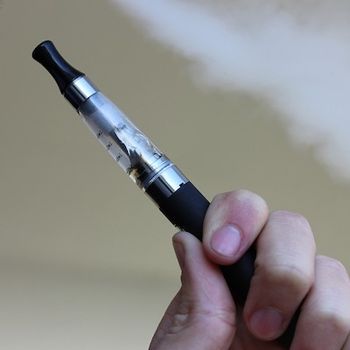
This analysis of trends in e-cigarette prevalence highlights several important trends among smokers, updating the current literature with new information about demographics and other data.

In this feature, we acknowledge the impact of the 1964 Surgeon General report, its subsequent effect on public health, and present-day hurdles to optimized public health efforts through the eyes of our editorial advisory board members and other leading experts.

While this research did culminate in strong evidence regarding weight loss and its effects on lung airway responses, the precise mechanism for this phenomenon remains unknown.
In recognition of 60 years since the historic contribution to modern understanding of the harmful effects of cigarette smoking, Albert Rizzo, MD, meets with the preventive cardiology expert to discuss the myriad of cascading effects delivered by the 1964 report.

This new research may require additional follow up studies on potential harms, as 63% of those in this study’s electronic cigarette arm continue to use the product at 6 months.
On January 25, 2024, the day following the proposed PDUFA goal date, Liquidia Corporation announced the FDA was still reviewing the NDA for pulmonary hypertension with interstitial lung disease for treprostinil inhalation powder (Yutrepia).
Advertisement
Advertisement
Trending on HCPLive
1
The Case for Routine Kidney Screening, With Pranav Garimella, MBBS, MPH
2
FDA Approves Obinutuzumab (Gazyva) for Idiopathic Nephrotic Syndrome
3
What The FDA Psychedelic Hearing Means for Psychiatrists
4
Zilurgisertib Receives FDA Approval for FOP in Patients 12 and Older
5