





Pulmonology
Latest News
Advertisement
Latest Videos







CME Content




























































Advertisement
More News

A high calorie, high fat diet is needed for patients with cystic fibrosis (CF) to maintain a normal weight resulting in an emphasized focus on their nutrition and weight management.

The agency has taken new action against Juul while experts worry about youth addiction and health impacts. But the e-cigarette market has been already well established in the US.

New phase 3 ENHANCE-2 data support a potential submission by Verona Pharma to the FDA.

Reena Mehra, MD, MS, reviews telling signs, the role of obesity, and the importance of proper testing for sleep apnea.
The Cleveland Clinic Director of Sleep Disorders Research navigates the complexities of OSA presentation, progression, management and eradication with the Lungcast team.

Prior to the launch of FSR's webinar on pulmonary sarcoidosis, Mary McGowan, CEO, discusses the private listening session held with the FDA that addressed the critical needs in the field.

Though current use rates have declined since 2017, investigators believe more young adults are transitioning from experimental to habitual use.
Bronchiectasis varies in presentation and appears to affect individuals from broad areas of the country. According to Dr. Patrick Flume, the task is to figure out what the best method of management is.

The interventional pulmonology specialist discusses new technology and devices available for diagnosing lung cancer.
Field leader Carla Lamb, MD, discusses advances to evaluating and treating chronic diseases including lung cancer and COPD in this latest episode.

The issued marketing denial orders require the country's most popular vaping device company remove all commercial products on the basis of insufficient toxicity data.
The decision comes after the company announced positive phase 3 data for the combination vaccine candidate in adults aged 60 years and older.

A team of investigators observe notably improved health care cost savings among patients who initiated care more than a year prior to those who haven't at all.

Currently many more patients undergo right heart catheterization than is necessary for diagnosing pulmonary hypertension in patients with systemic sclerosis.

There is a growing body of evidence showing the value of rituximab in the treatment of SSc-ILD.

Data from SLEEP 2022 suggests children with OSA may have faced worse psychosocial burden during the pandemic.

Dupilumab is the first treatment in the US indicated for adults and pediatric patients over 12 years with EoE.
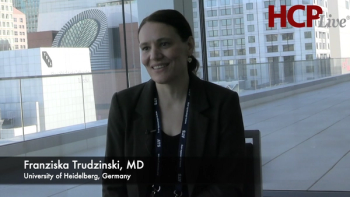
Dr. Trudzinski speaks of the importance of diagnosing sex-specific pulmonary and extra-pulmonary comorbidities in women with COPD, as well as the lack of research regarding COPD prevalence in women.

Safety and efficacy data for the oral asthma therapy was presented at a late-breaking session at ATS 2022.

Investigators defined AHR as “a hallmark of persistent asthma”, noting that it could also be assessed via indirect challenge with mannitol.

In particular, airway epithelial cells (AEC) in allergic asthmatic (AA) were shown to upregulate mucus metaplasia, matrix-remodeling, and glycolytic programs while failing to upregulate antioxidant genes.

Results from the 2 APPaRENT trials suggest regular inhaled corticosteroids/LABA alone or with short-acting beta agonists were the preferred treatment approach with physicians.

With this new decade-long cohort, Dr. Chen notes that researchers are "one step closer to a more accurate view of what sarcoidosis may be like in the United States", with has been suggested to be more prominent in African American communities.

Dr. Richmond speaks to the newest pulmonology data from Vanderbilt University that was presented at ATS 2022.
Dr. Chatterjee cites an urgent need for new treatment strategies, adding that reducing airway iron could result in a decrease in the production of aspergillus fumigatus proteases.
Advertisement
Advertisement
Trending on HCPLive
1
FDA Approves Obinutuzumab (Gazyva) for Idiopathic Nephrotic Syndrome
2
The Case for Routine Kidney Screening, With Pranav Garimella, MBBS, MPH
3
Efsitora Dosing and Titration in Type 2 Diabetes
4
Hereditary Angioedema Triggers, Prodromes Mapped in US HAEA Registry
5