




Pulmonology
Latest News
Advertisement
Latest Videos



CME Content




























































Advertisement
More News

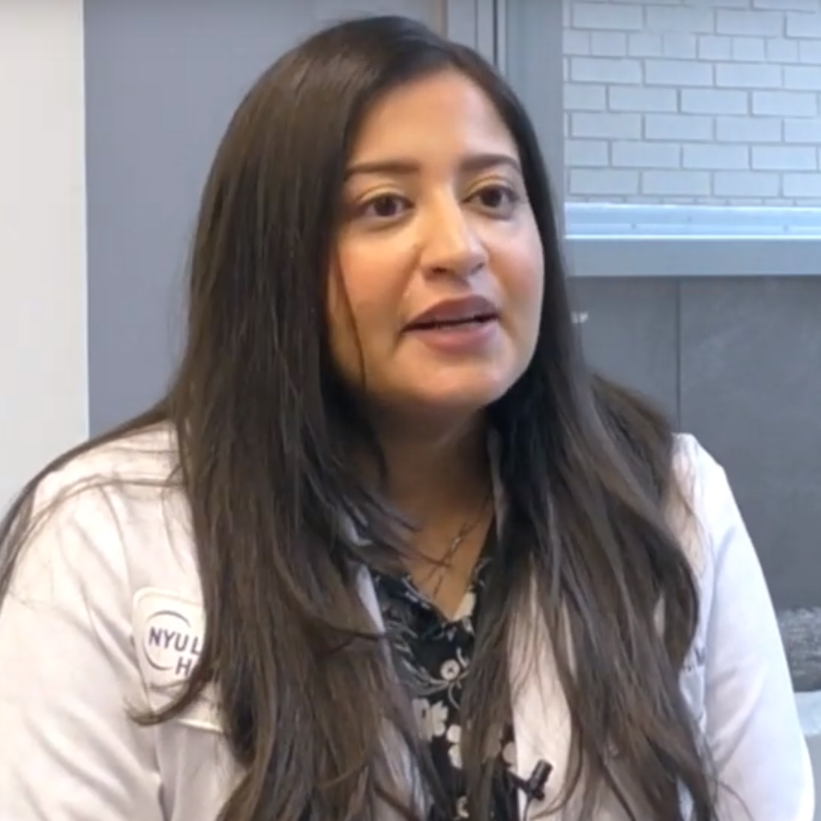
Certain diet-based comorbid conditions are more prevalent in food-allergic patients.
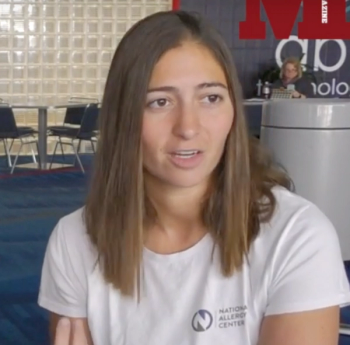
At least 1 major food allergy trial in recent years has given allergists incentive to set detailed strategies for their patients.

Could the drug class best serve patients as an adjunctive, a monotherapy, or maybe a prophylaxis for symptoms?

Though research behind preventive measures is lacking, there are common steps that could be taken to reduce pediatric risk.
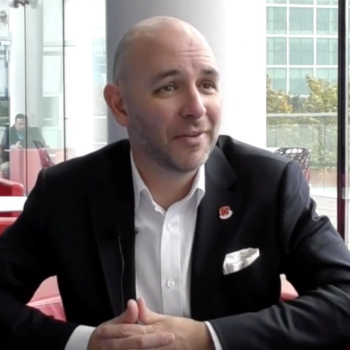
As new methods of treatment come to the market, allergists need to ensure their patients are fully informed and able to set their own goals for care.

How the greatest use of the drug class may just come in the most severe cases.

The rate of pediatric and adolescent patients adhering to 30-day corticosteroid refill schedules increased by nearly 50 percentage points.
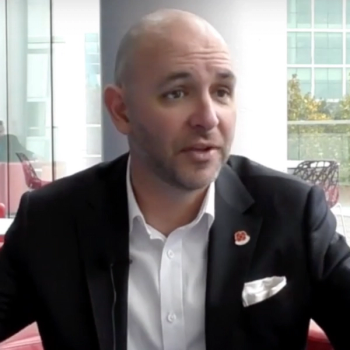
How can physicians train parents to trust immunotherapy—an allergen exposure they were previously told to avoid?

A growing patient population and burdens of physician shortage require specialists and primary care collaborate more and more.

Assessing a food allergy patient's overall diet during immunotherapy trials could unlock understanding how the microbiome affects the allergic reaction.

The ALK-Abello expert details the positive findings from the vast, novel assessment of Ragwitek in children with ragweed allergic rhinitis with or without conjunctivitis.

New findings show Viaskin Peanut provided significant improvements to HRQL over placebo in a pair of its clinical trials.

Distinguishing biologic-eligible patients may still need further biomarker and disease severity research.

The rate of ED cases have decreased over years, yet proper patient follow-up is still lacking.

Clinicians now have 5 agents to select from—but a limited variation of action, and an even more concise patient population eligible for treatment.

How the annual college meeting has come to address the rapidly developing field of immunotherapy.
With new immunotherapy data and emerging biologic uses, allergists need to adjust their standards for diagnosis and care in pediatric patients.

A new survey shows patients and family members prefer telemedicine physician visits as much as they do in-person appointments—or even more so than the latter.

A 20-patient survey evidences the benefit of subcutaneous immunotherapy among patients aged 9-18 years old.

New findings from the phase 3 PALISADE and ARTEMIS trials show more than half of treated patients could tolerate 1000 mg peanut protein in a post-care food challenge.

After decades of development, researchers are nearing clinical trials for immune response-shifting vaccines. Will they be feasible for patients, and accepted by clinicians?

A new study from Icahn School of Medicine at Mount Sinai found increases in exposure to fine particulate matter before birth were associated with heart rate variability during infancy.

A new assessment shows patients younger and older than 40 years both benefit in exacerbation rate and pre-bronchodilator FEV1.

A new study presented at CHEST 2019 shows pulmonologists and ILD specialists will either reduce or temporarily interrupt antifibrotic care, depending on the form of adverse events a patient is experiencing.
A new study shows that bronchoscopy practice, procedure, and tools vary by facility, and in assessment duration.
Advertisement
Advertisement
Trending on HCPLive
1
FDA Approves Obinutuzumab (Gazyva) for Idiopathic Nephrotic Syndrome
2
The Case for Routine Kidney Screening, With Pranav Garimella, MBBS, MPH
3
Efsitora Dosing and Titration in Type 2 Diabetes
4
Hereditary Angioedema Triggers, Prodromes Mapped in US HAEA Registry
5