


































































The August 14 approval marks the second drug approved under the Limited Population Pathway for Antibacterial and Antifungal Drugs.
The August 14 approval marks the second drug approved under the Limited Population Pathway for Antibacterial and Antifungal Drugs.

The first longitudinal study to assess air pollution and emphysema progression provides novel long-term findings.
How do the states with the longest-running legislation permitting MAID compare?
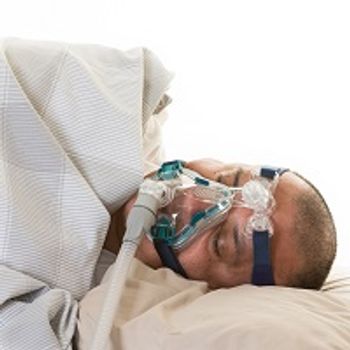
OSA patients with certain traits experienced a 73% reduction in AHI events from oral appliance treatment.

New phase 3 data will evidence an FDA application for the biologic as an add-on therapy for patients aged 6-11 years with AD.

A new study found significantly greater COPD development risk among middle-aged women who eat processed meat—and doubly worse risk for those who also smoke and have unhealthy diets.

Analysis from the CARDIA Lung study found patients with worsened FEV1 are at greater risk for emphysema, regardless of their smoker status.

Deepak Bhatt, MD, discusses the results of the COMPASS trial and how they have impacted clinical practice.

A new international cohort shows hospitals with a greater annual volume of PE patients often report better patient outcomes.
The prescription device can monitor and share reports on patient's sleep breathing patterns, leading to accurate symptom diagnoses.

New research finds association common sleep disorder present in 14% of suicidal patients with major depressive disorder studied.

A secondary analysis of a 10,000-patient study has linked lower levels of serum albumin to apnea risk in hospitalized infants.
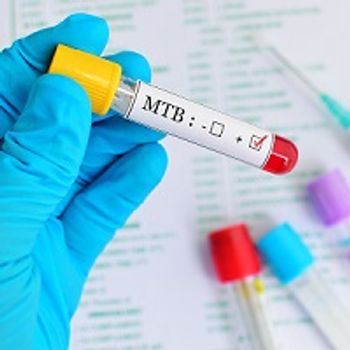
Standardized mortality ratio increased by nearly a full percentage among patients previously treated with TB.

A new assessment of prevalence studies shows some countries could have an OSA prevalence rate of more than half their entire population.
Study of more than 650 COPD patients found that CRP-guided prescribing resulted in a lower percentage of patients who reported antibiotic use.

A recent study of more than 300,000 found that exposure to outdoor air pollution is linked to decreased lung function and an increased risk of COPD.

A study found that two-thirds receive excess antibiotic treatment and that every excess day increased a patient's risk of adverse events by 5%.

Regardless of which care provider is diagnosing and treating the patient, all must be aware of the treatment access burdens.

The burdensome, inflammatory chronic condition is highlighted by difficult diagnoses and screening options. How is research advancing to improve care?
After showing the ability to regain patients' senses of smell and taste in a pair of phase 3 trials, the biologic becomes the first indicated for CRSwNP.

A new pooled cohort analysis supports the longheld threshold of < .70 FEV1:FVC ratio to indicate patient risks from COPD-related events.
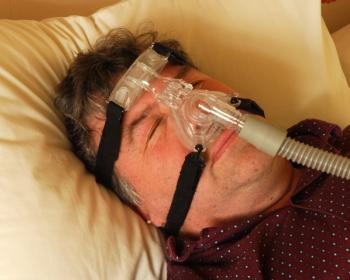
A new retrospective cohort finds that patients with untreated obstructive sleep apnea face a two-fold greater risk of developing T2D.
The FDA had previously only certified Symdeko tablets for treatment of children aged 12 years and older.

The endothelin receptor antagonist has proven benefits and safety for PAH patients burdened with liver or extrahepatic disease risks.

A three-arm clinical trial of the SAMBA program showed that screening for and tailoring to individuals' asthma needs improves their condition management.