
































































This analysis of the phase 3 LIBERTY ASTHMA QUEST study analyzed data for patients with and without allergic rhinitis.
This analysis of the phase 3 LIBERTY ASTHMA QUEST study analyzed data for patients with and without allergic rhinitis.

How do current peanut allergy immunotherapies compare, and what other allergens may be addressed next?

Investigative therapy PVX108 showed a favorable tolerability and safety profile in patients with peanut allergies.

How did dupilumab fare in patients with chronic rhinosinusitis with nasal polyps?

Having asthma was associated with sensitization to 1 or more allergens. Having sensitization to the individual allergens—mouse, cockroach, and dust mite—were also associated with sensitization to 1 or more allergens.

Why both physicians and patients need to be on the same page when considering food allergy oral immunotherapy.
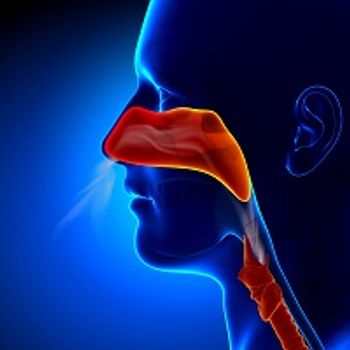
In a phase 3 study, dupilumab reduced nasal polyp scores and nasal congestion compared to placebo in patients with chronic rhinosinusitis with nasal polyps.

Why peanut allergy therapies are prioritized in early trials, and how far out are complimentary therapies to the ones currently being investigated.

Investigators found that the prevalence of asthma in patients with opioid dependence was more than double the national prevalence.

Investigators hope the results will increase public support for prescribed fires that help maintain forest health and prevent wildfires.

A group of pediatric patients were able to sustain desensitization 4 weeks after stopping the daily oral immunotherapy.

Investigators also identified 3 distinct phenotypes that contribute to hospitalized patients with acute asthma exacerbation.

How far in advances of care have we come, what issues are most pressing in the field now, and what specialties with be involved in future meetings?

The introduction of biologics such as dupilumab have opened avenues of care for patients with overlapping disease.

The biologic's indications for inflammatory diseases are greatly varied and still developing, and it owes some of that to recent advances in disease prognosis.

The AAAAI 2019 president explains why research is already dedicated toward improving investigative peanut allergens.

The Regeneron VP explains how dupilumab could possibly serve as a complimentary therapy to Aimmune's investigative food allergy therapy.

The Program Chair explains how the meeting has improved over 3 decades, and highlights his favorite sessions to come at the 2019 meeting.

Asthma risk and lung disease development can occur as easily and as frequently with smoking alternatives as it does with combustible cigarettes.

A new Cleveland Clinic study has programmed EHRs to limit the rate of chest X-rays among patients. How has it helped both their stay and treatment progression rates?

A new cohort from the Cleveland Clinic shows that the index could allow ICU clinicians to know whether a patient needs prone positioning or ECMO.
Both sex- and age-specific therapies could come to clinical asthma field in upcoming years.

A novel method to inactivate HCV in donor lungs could allow additional transplants without post-transplant antiviral treatment.

The EPIT skin patch is still seeking indication as the first peanut allergy desensitization therapy to reach the market.

Harvard University investigators found that both diacetyl and 2,3-pentanedione initiated changes in gene expressions that reduced the number of ciliated cells, and impacted how well they functioned.