































































Deaths due to drug overdoses and suicides have contributed to decreasing US life expectancy, but other factors indicate that there is a deeper root cause driving these trends.

Deaths due to drug overdoses and suicides have contributed to decreasing US life expectancy, but other factors indicate that there is a deeper root cause driving these trends.

A new study of 4,000 Canadian women with asthma found patients who had higher body mass indices, smoked frequently, and had lower education faced higher risks of developing chronic obstructive pulmonary disease.

Study of abrupt versus gradual reduction of nicotine informs FDA-proposed rule on reducing cigarette nicotine to "minimally addictive" levels.

The treatment may be most appropriate for toddlers who are admitted to the hospital, have severe allergies, or are seen in the emergency department.

The results of a recent study revealed that the implementation of a comprehensive care plan for acute exacerbations of chronic obstructive pulmonary disease (AECOPD) can be successful in reducing both readmission and mortality rates.

One Cleveland Clinic practitioner describes his real-world experience with the use of mepolizumab in patients with severe eosinophilic asthma.

New insights might help researchers improve the efficacy of LTA4H inhibitors.

A contributing mechanism responsible for the development of idiopathic pulmonary fibrosis has been identified.

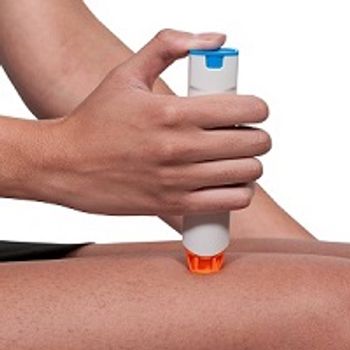
A generic version of the 0.3 mg- and 0.15 mg-strength injectors has been approved for the treatment of patients that include those with life-threatening allergic reactions.

Experts argue that oral corticosteroids should be available at home for early use in asthma exacerbation.

The FDA has granted an orphan drug designation in a second indication to Martin Pharmaceuticals’ trimetazidine dihydrocholoride (LIVANTRA) for the treatment of pulmonary arterial hypertension (PAH).

Investigators find more evidence to support IgE as a reliable biomarker for targeted biologic therapy in asthma management.

The FDA has granted an orphan drug designation to Onspira Therapeutics’ OSP-101, the first and only inhaled interleukin-1 receptor antagonist (IL-1Ra) for the treatment of bronchiolitis obliterans.

In its phase 2 trial, acebilustat (CTX-4430) was found to show clinically meaningful improvement in pulmonary exacerbations in patients with cystic fibrosis.

New research outlines the role of neutrophil cytoplasts in severe asthma which could lead to new therapeutic pathways to treat the disease.

A study evaluating a home and community education program to improve asthma management among Head Start students with asthma found that a majority of families have insufficient availability of asthma medications in the home.

The FDA’s Antimicrobial Drugs Advisory Committee voted 12 to 2 in favor of the safety and efficacy of ALIS (amikacin liposome inhalation suspension) for difficult-to-treat patients with nontuberculous mycobacterial lung disease.

Researchers were surprised to see the relatively high rates of secondhand smoke-related respiratory symptoms, such as shortness of breath and wheezing, among adolescents without asthma.

Investigators have discovered a rare cell type, referred to as Foxi1+pulmonary ionocyte, which is thought to be a key player in the biology of cystic fibrosis.

The combined results of a recent meta-analysis and a new population-based study supports there being a significant association between asthma and ADHD.

Patients who received electronic asthma control plans had fewer asthma exacerbations, but more research is needed to find out how much of an impact such interventions have over time.

Three-quarters of patients with aspirin-exacerbated respiratory disease often have allergies to alcohol. A new study finds a common therapy for the one can also help the other.

In prior studies, younger populations that have asthma were not found to be impacted by autonomy preferences.

If these results are confirmed by future research, the use of blood eosinophil count tests could improve patient care and reduce asthma-associated healthcare costs.

A study of pediatric patients with asthma admitted to emergency departments has determined that while rhinovirus is the most prevalent infection, it is the non-rhinovirus pathogens that are associated with an increased absolute risk of treatment failure.