


































































Nicola Hanania, MD, MS, director of the Airways Clinical Research Center at Baylor College of Medicine, explains the latest research on COPD treatments and outlines how they all measure.
Nicola Hanania, MD, MS, director of the Airways Clinical Research Center at Baylor College of Medicine, explains the latest research on COPD treatments and outlines how they all measure.

Previously approved in 2015, Stiolto Respimat Inhalation Spray is now indicated for the treatment of COPD including chronic bronchitis and emphysema.

The 2019 CHEST Meeting in New Orleans may be headlined by newly approved therapies including dupilumab and tezepelumab.

Using data registries from initial trials, companies such as Actelion will be looking to expand research beyond the first first or second year of care in patients with PAH.

Recent trials have evidenced that minority patient groups in particular are more likely to worsen their primary treatment adherence while embracing alternative medicine measures.

Once physicians know if it's the cause of PAH or just simply an overlap, comorbidities have to be closely monitored as disease progression.

A twice-daily 50 mcg dose of the nebulized LAMA therapy also had better results for patients with poor FEV1 compared to tiotropium.
Why delving into the symptoms of the most at-need patients is critical for care.

Clinical research has begun to distinguish biomarkers for both conditions, research has established their similarities, and therapies are becoming pathway-based. Should asthma-COPD diagnoses be necessary?

Investigators from the Nationwide Children’s Hospital assessed family history in relation to asthma control in pediatric patients.
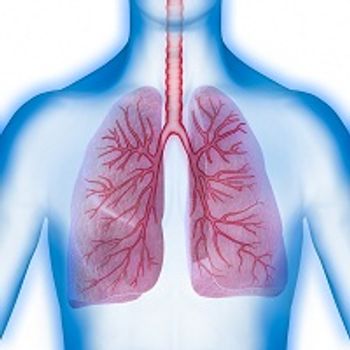
A COPD care bundle delivered by a multidisciplinary health care team can reduce hospital readmission rates for acute exacerbations of COPD (AECOPD).

Montelukast/levocetirizine combination therapy demonstrates safety and efficacy in phase 3 clinical trial for the treatment of patients with perennial allergic rhinitis who have mild-to-moderate asthma.
Before biologics are implemented, what should physicians be doing to ensure asthma control in their patients?
The addition of a couple of new drug classes at the turn of the century have given clinicians the greenlight to stack therapies at initial treatment.

There’s a challenge to achieve control in some asthma patients since the disease is heterogenous—both allergic and non-allergic triggers can initiate Type 2 inflammatory pathways that can drive pathology.

Joshua Denson, MD, MS, discusses the comorbidities associated with asthma.

Now that real-world data registries are being compiled, the constriction-limiting drug class is now going through personalizations including new titration strategies.

Antonion R. Anzueto, MD, covers the latest research regarding biomarkers in COPD, outlining possible avenues of investigation and addressing regional causes of the disease.
What makes the monoclonal antibody so enticing to the asthma community?

A 200 mg dose of the monoclonal antibody was also shown to significantly reduce ashtma exacerbations over 1 year versus placebo.

A retrospective review of rural region's hospitals found that even the discharge time of day could be associated with a greater chance of readmission.

Gram-negative bacteria excluding Pseudomonas Aeruginosa has been associated with greater rates of patient mortality, vasopressor administration, and ICU admission.
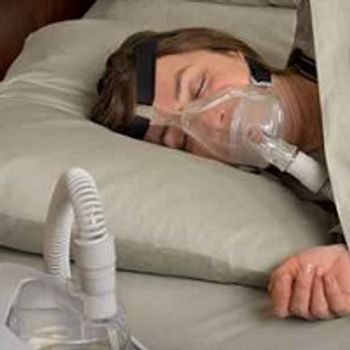
Investigators found that treating for CSA in the patient population significantly decreases mortality risk—despite previous clinical warnings.
Investigators have shared new disparities of characteristics in men and women with differing severities of respiratory arousal threshold.
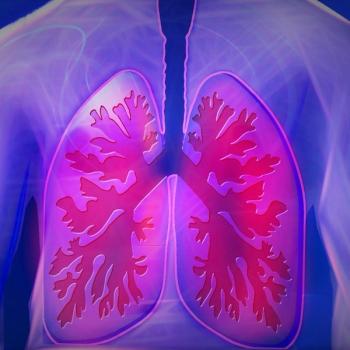
Women are less likely to be administered lung protective tidal volumes (TVs) when being considered as a lung donor.