


































































Upon finding pH and oxygen may influence how antibiotics perform in CF lung infections, investigators suggest a one-size-fits-all therapy approach may not be the best treatment.
Upon finding pH and oxygen may influence how antibiotics perform in CF lung infections, investigators suggest a one-size-fits-all therapy approach may not be the best treatment.

The pulmonologist and senior medical advisor, American Lung Association, highlights the necessary steps of smoking cessation practices as well as the unknown surrounding e-cigarettes.

The new formulation, known as Xolair PFS, will be available in the US by the end of the year.
The FDA has approved a 0.15mg dosage of Symjepi, an epinephrine injection, for the emergency treatment of serious allergic reactions in children.
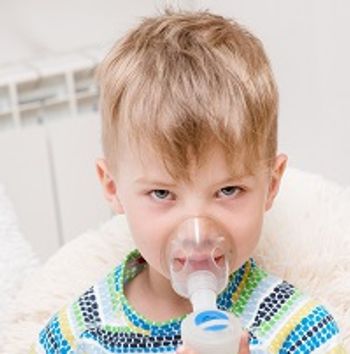
How can caregivers improve their management of treatments—both in cost and in availability—for children in need of help due to asthma.

In response to the evidenced connection between pediatric asthma development and air pollution exposure, investigators have sought out association indicators as early as in utero.

Of patients with a baseline blood eosinophil count of 300 cells per mL or more who were given benralizumab every 8 weeks, 75% were exacerbation-free during their second year of treatment.

Investigators focused on adolescent African American patients, who notably report difficulties in handling environmental triggers and asthma management.

Over 12 months of follow-up in the PROOF registry, pulmonary function remained largely stable in patients with idiopathic pulmonary fibrosis who received pirfenidone treatment.

Some of the most impactful predictors of future asthma attacks include a history of prior attacks, depression, and vocal cord dysfunction, investigators found.

An increased morbidity risk has been found to be associated with central sleep apnea in infants with congenital heart disease by University of Arizona investigators.
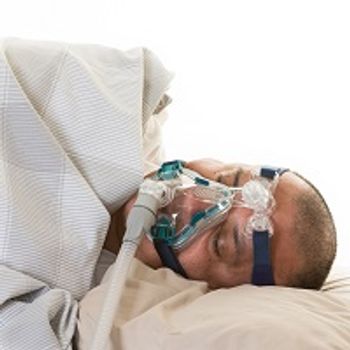
Continuous positive airway pressure was previously defined as the primary treatment of OSA, as well as related issues like mask fits. Weight management has been continuously unaddressed in guidelines and literature.

The study results may help enable the development of nasal microbial markers of asthma for detection and disease monitoring.

The patient population tends to have a more unbalanced immune profile to that of European American patients, indicating a potential for tailored treatment options to combat inflammation.

Stay up-to-date on the latest rare disease news by checking out our top 5 articles of the week.

Patients with asthma and eosinophilia have thicker airway nerves, according to new research.

The combination of montelukast and budesonide was found more effective than budesonide alone in children with chronic cough-variant asthma in a China retrospective study.

Many first responders were exposed to particulate matter that led to their development of World Trade Center Lung Injury, a collection of chronic respiratory conditions, such as asthma and emphysema.

Investigators found that asthma symptom severity results from the interaction of genetic susceptibility to pollution together with the severity of pollution exposure.
The company’s application for mepolizumab vied for it to serve as an add-on therapy to inhaled corticosteroid-based maintenance treatment in patients with COPD, as guided by patient blood eosinophil counts.

Deaths due to drug overdoses and suicides have contributed to decreasing US life expectancy, but other factors indicate that there is a deeper root cause driving these trends.

A new study of 4,000 Canadian women with asthma found patients who had higher body mass indices, smoked frequently, and had lower education faced higher risks of developing chronic obstructive pulmonary disease.

Study of abrupt versus gradual reduction of nicotine informs FDA-proposed rule on reducing cigarette nicotine to "minimally addictive" levels.

The treatment may be most appropriate for toddlers who are admitted to the hospital, have severe allergies, or are seen in the emergency department.

The results of a recent study revealed that the implementation of a comprehensive care plan for acute exacerbations of chronic obstructive pulmonary disease (AECOPD) can be successful in reducing both readmission and mortality rates.