

A new study from AHA 2019 has found that use of rivaroxaban rather than antiplatelet therapy after TAVR increased a patient's risk of death and bleeding events.
A new study from AHA 2019 has found that use of rivaroxaban rather than antiplatelet therapy after TAVR increased a patient's risk of death and bleeding events.

Investigators present data from the CREDENCE trial during AHA.

Taking a routine invasive approach had no impact on clinical outcomes or quality of life in patients with chronic kidney disease as well as stable ischemic heart disease.

Results of the ISCHEMIA trial were revealed at AHA 2019 and revealed little overall benefit of an invasive approach but saw improved angina control in patients with previous angina.

Apabetalone demonstrated tolerability and safety in the phase 3 BETonMACE trial but the study did not meet its primary end point of reduction in major adverse cardiovascular events (MACE).

The ORION-10 trial revealed 300 mg inclisiran twice-yearly reduced LDL-C levels by 58% in patients with atherosclerotic cardiovascular disease.

In a presentation during AHA, investigators present new evidence linking sleep issues with poorer outcomes for hypertension patients.
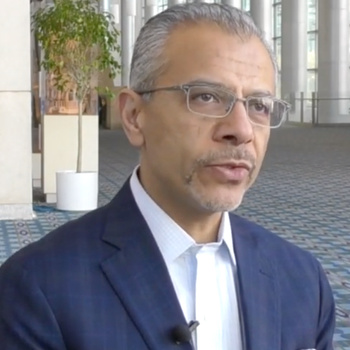
New empagliflozin data assesses the SGLT-2 inhibitor versus GLP-1 agonists and DPP-4 inhibitors for patients with heart failure.

Results of the COLCOT trial presented at AHA 2019 revealed colchicine use could reduce the risk of cardiovascular events by 35% in patients who recently suffered a myocardial infarction.

The adult heart failure study is the first of its kind: a completely decentralized, indication-seeking clinical trial.

Results from the 400,000-plus patient trial show a pulse detection app on the Apple Watch may aid users in detecting risks of atrial fibrillation.

Jay Edelberg, MD, PhD, of Sanofi and Robert Sanchez, PhD, of Regeneron shared about the recent ODYSSEY OUTCOMES trial of alirocumab (Praluent) and accompanying cost-effectiveness study.

Investigators have found that lowering LDL cholesterol may not be the only way to reduce cardiovascular events—reducing inflammation may be the key to improving outcomes.

Using relevant clinical trial data, investigators created a price tag of about $6300 annually for the very effective, often costly inhibitor.
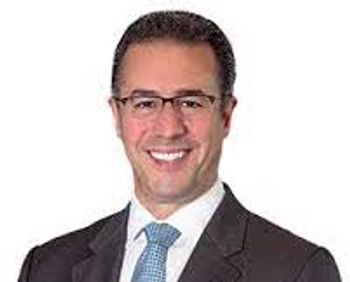
James Januzzi, MD, discusses trial results from the PIONEER-HF trial and what cardiologists and hospitalists should know about sacubitril-valsartan.

Steven Nissen, MD, discusses the updates to the cholesterol guidelines and how the risk calculator should not be considered an end-all be-all.

Investigators have found a pair of increased biomarker levels indicate patients with AF are at a greater risk of neurodegeneration.
“These guidelines bring back the concept of adjusting therapy for cholesterol levels, and they recommend more aggressive treatment targets for people in very high risk,” said Cleveland Clinic’s Steven Nissen.
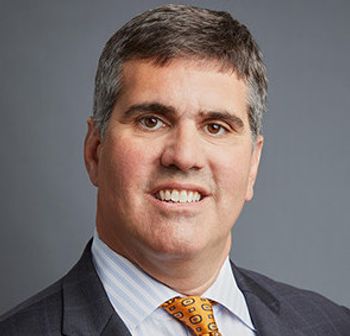
When compared with enalapril, in patients with acute decompensated heart failure, sacubitril–valsartan led to greater reduction in N-terminal pro–B-type natriuretic peptide (NT-proBNP), and reduced re-hospitalization for heart failure, and was well tolerated.

In addition to a 25% reduction of risk of future cardiovascular events, icosapent ethyl (Vascepa) lowered the risk of cardiovascular death by 20%.

Ezetimibe 10 mg/day significantly reduced the incidence of atherosclerotic cardiovascular events in elderly patients with high LDL cholesterol compared to control.

Anthony Rosenzweig, MD, Chief of Cardiology at Massachusetts General Hospital discusses how exercise can protect the heart and its potential role in cardiac regeneration.

In the VITAL study, investigators found that supplementation with omega-3s and vitamin D did not meet the primary endpoint of significantly reducing major cardiovascular events or total invasive cancer.

PTSD was associated with a 3-fold increased risk of all-cause mortality or a major heart event in 12 months following cardiac arrest.

The updated cholesterol guidelines continue to emphasize a healthy lifestyle for people of all ages and the need for personalized treatment plans. They also lay out a path for escalating treatment when statins aren’t sufficient.
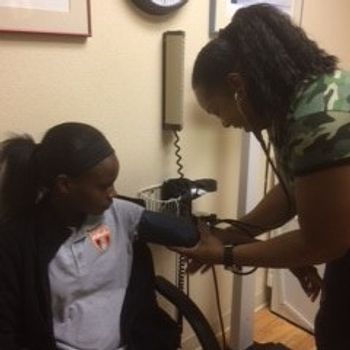
In visits with overweight or obese children with high blood pressure, pediatricians either provide no communication about BP or unclear or dismissive statements, unless SBP is ≥120 mmHg.

Data from a new study indicate that trauma is an independent risk factor for cardiovascular disease in sexual minority women, suggesting it should be screened for as a risk factor in this population.

Investigators have found an association between opioid use and cardiovascular mortality.

Among a large sample of Veterans Affairs health care patients with peripheral artery disease, researchers found African Americans were 43% more likely to lose a limb to amputation--and it is likely not because of socioeconomic or behavioral factors.

In just over a year, Praluent has shown benefits in helping patients lower their cholesterol level. Despite the progress, there have also been some challenges.