
One of the biggest challenges cardiologists face is treating patients with atrial fibrillation who are undergoing percutaneous coronary intervention, particularly when it comes to prescribing anticoagulants.
One of the biggest challenges cardiologists face is treating patients with atrial fibrillation who are undergoing percutaneous coronary intervention, particularly when it comes to prescribing anticoagulants.
An analysis of thousands of patients in Germany taken from a national registry found interventional procedures more dangerous than surgery for severe symptomatic aortic valve stenosis. But there may have been confounding factors.
Systemic atherosclerosis causes peripheral artery disease, and these patients are at risk of cardiovascular death and stroke.
The mysterious sudden deaths of apparently healthy people, some young and engaged in sports, could be explained by mutations uncovered by a Canada research team.
The Framingham Heart Study has been one of the most in depth studies in the field of cardiology and medicine as a whole. A recent portion of the study looked at the impact of carbon monoxide exhalation and its role in patient health.

The Fat Fibre Sodium Score was created using the top three most predictable cardiovascular risk-reducing food categories and offers a quick, easy way to evaluate nutrition changes during post-cardiac rehabilitation.

The significant others of patients undergoing implantable cardiac defibrillators (ICDs) have long been concerned about continuing sexual activity following the implantation.
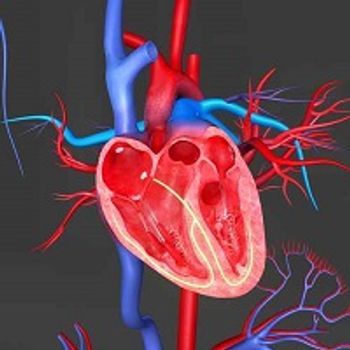
A new tool for assessing the risk of thromboembolic events in patients with atrial fibrillation performed better than the existing standard in a large retrospective analysis. ATRIA risk scores were less likely than CHA2DS2-VASc scores to mistakenly characterize patients as "high risk" and, therefore, to lead to the overuse of anticoagulation.
In the second part of an interview with Kim Van Naarden Braun, PhD, the screening process used in New Jersey is discussed at the national level.
When cocaine users seek medical attention at a hospital regularly used scans may miss some hidden damage done to the patient's heart. A new study looked at other areas that could help maintain their longterm health.
Many people could be more active in their daily lives. The question for physicians is: How do you make that happen, especially for children and adolescents? A recent study provides clues about how to help patients maintain a healthy lifestyle.
For patients suffering a first-time cardiac event there could be warning signs in the form of a condition called vital exhaustion. A recent study looked at the causes and signs of vital exhaustion and potential preventive measures and treatments for these patients.

The most common cause of sudden cardiac death in young people is hypertrophic cardiomyopathy, an inherited condition that can lead to heart failure, angina, arrhythmia and sudden cardiac death. There is no medical treatment shown to halt or reverse the progression of the disease-just palliative care or surgery.

Undetected neonatal heart defects can cause a variety of serious problems, including an increased risk of death. A recently enacted New Jersey law mandating screening for congenital heart defects has uncovered cases of congenital heart problems and likely saved lives.
Kirk Garratt, MD, presenting at the 2014 American Heart Association Scientific Sessions, said "The TAXUS Liberte Post-approval Study (TL-PAS) was designed to provide long-term safety and efficacy information about the clinical outcomes for the TL stent combined with the use of prasugrel and aspirin."
Could hospitals be a bad place to have heart attacks? That's the finding of a North Carolina research team that looked at data from 303 California hospitals. Patients who had heart attacks while hospitalized for a non-cardiac ailment had a more than 3-fold greater in-hospital mortality than patients taken to a hospital.
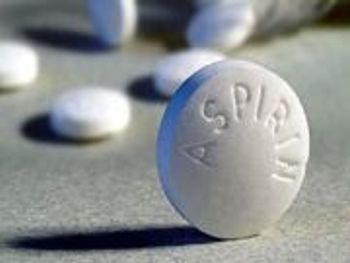
Although there appears to be no difference in blood pressure reduction in patients who take aspirin at bedtime compared to those who take it when they awake in the morning, bedtime aspirin may be associated with reduced morning platelet reactivity.

Patients with heart failure who received left ventricle augmentation with Algisyl-LVR hydrogel implant experienced improved quality of life and functional capacity compared to similar patients treated with optimal medical therapy.
Treating Hispanic patients with stable CAD with daily low-dose aspirin plus ticagrelor provided lower levels of on-treatment platelet reactivity with a faster onset and greater extent of platelet inhibition, compared to treatment with aspirin plus clopidogrel.
Results from the RELAX-AHF show serelaxin reduces cardiovascular deaths and improves symptoms in patients with heart failure.
Results from a substudy of the PLATO trial show that patients with extensive CAD and high rates of recurrent cardiovascular events, death, and bleeding may benefit from treatment with ticagrelor.
Results from a sub-study of the Trial to Assess Chelation Therapy (TACT) that focused on quality of life issues in patients who had previously suffered a heart attack and were treated with chelation therapy reveal no improvements in these patients' quality of life.
Combining cardiac-resynchronization therapy with medication and an ICD reduces deaths and hospitalizations due to heart failure.
Scheduling, event, exhibit hall, CME, and other information for attendees of the AHA 2010 Scientific Sessions.
The results of a study that looked at the competing effects on left ventricular hypertrophy (LVH) of hypokalemia and treatment with hydrochlorothiazides (HCTZ) in hypertensive patients were presented Monday, November 15 at the American Heart Association Scientitifc Sessions 2009.