

From the prospect of semaglutide and MDMA for substance use disorder to evolving research around personality disorders and OCD, here are 5 key topics from the annual psychiatric meeting.
From the prospect of semaglutide and MDMA for substance use disorder to evolving research around personality disorders and OCD, here are 5 key topics from the annual psychiatric meeting.
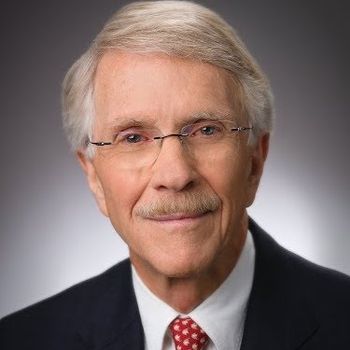
Oldham highlights the anticipated change to a more dimensional perspective on personality disorders in new guidelines anticipated later this year.

In an interview, King provided an overview of the history of psychedelic research for psychiatric conditions, where we are now, and what hurdles investigators must address.

At APA 2024, Weinrieb discussed the positive patient outcomes of using a psychiatry-hepatology approach for the treatment of alcohol-associated liver disease.
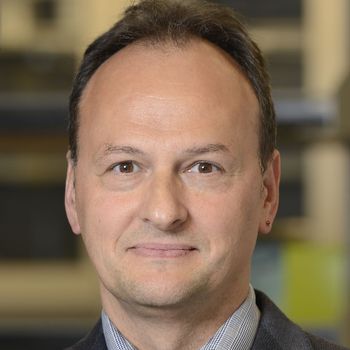
Sibille and colleagues have made progress in refining the therapeutic pathways of Alzheimer disease. Human trials may soon follow.

Phillips emphasizes the importance of screening for obsessive-compulsive disorders, such as OCD, body dysmorphic disorder, and trichillomania.

McIntyre discusses how GLP-1 and GIP receptor agonists like semaglutide could potentially improve both acute and long-term measures of psychiatric disease.
In an interview, Phillip explained the difference between OCD and body dysmorphic disorder, even though they are grouped in the DSM-5.
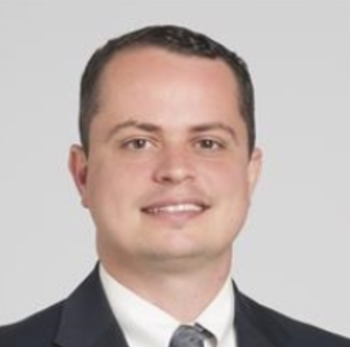
In an interview with HCPLive, Barnett discussed the ethical concerns of using psychedelics for treating substance use disorders.
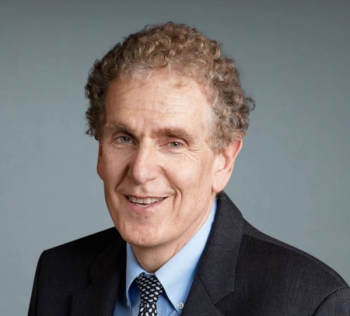
In an interview with Adler at APA 2024, he also explained how adults with ADHD may present additional symptoms not noted on the DSM when they have comorbidities.

Robert O. Cotes, MD, discusses why the proven agent clozapine may still be underutilized in schizophrenia.

In an interview with HCPLive, Karlin and Robinson discuss the phase 2b trial on MM120 for generalized anxiety disorder.
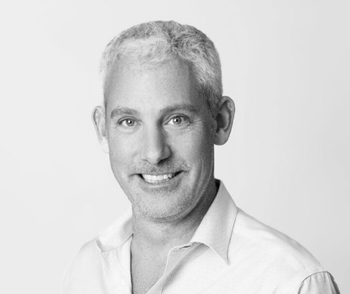
In an interview with HCPLive, Karlin discussed the unmet need for GAD screening.
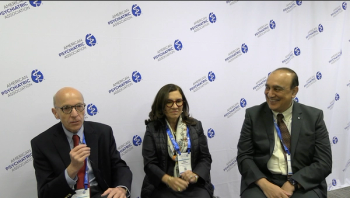
At APA 2024, HCPLive interviewed APA members about how DSM-5-TR classifies psychiatric disorders differently than previous iterations.
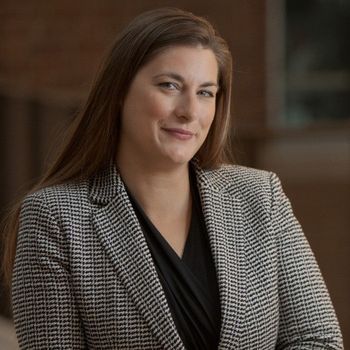
Nelson discusses how personality disorder care has been slow to apply evidence into practice—and how it's affecting patients.

In an interview, Paul Appelbaum, MD, discussed issues clinicians will need to bring up to their patients if the FDA approves a psychedelic-assisted therapy.

The utility of second-generation antipsychotics and clozapine has been less advantageous than it could be, Kane explained.
McIntyre explains why GLP-1/GIP receptor agonists like semaglutide may alter cognitive and psychiatric care similar to cardiometabolic disease.

Devanand reviews lecanemab and the advent of blood biomarkers for dementia and Alzheimer's management at APA 2024.
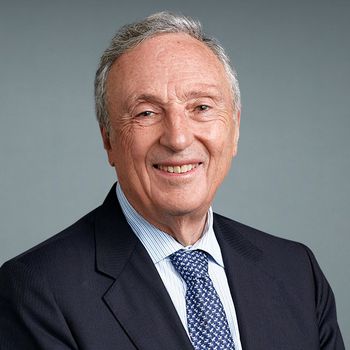
Marmar explains what anticipated blood and molecular profiling of PTSD may provide psychiatrists treating patients.
Kane explains why newer long-acting injectables and clozapine may be under-utilized still in the management of schizophrenia.

In an interview with Andrew Chen, MD, he explained why patients might need to turn to more adverse event prone anxiety medications.

Despite often presenting to the hospital with similar non-psychiatric conditions, patients with schizophrenia often experience a more difficult care process than those without.
In an interview with Andrew Chen, MD, he discussed the first-line treatment for generalized anxiety disorder and when to take other alterative medication.

New literature review data suggests doxazosin is related to less incident hypotension than prazosin, while providing clinical benefit, in PTSD patients with condition-related nightmares.
Four-year, phase 3 data from APA 2024 show olanzapine/samidorphan provided consistent antipsychotic efficacy and weight-related safety in patients with either schizophrenia or bipolar I disorder.
A Montefiore residency director explains the impact of engaging with communities to improve mental health care capability.
Montefiore's Carol A. Bernstein, MD, discusses the role of psychiatry specialists in discerning their colleagues' need for mental health care or resolutions to burnout.
Gina Poe, PhD, discusses the potential role of beta blockers in treating psychiatric illness-related sleep, as well as the specific benefit of melatonin.
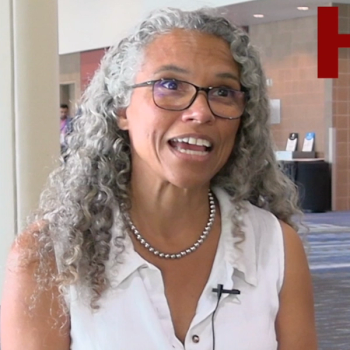
The UCLA-based investigator discusses the unique impact of PTSD on patients' sleep stages, and how they can limit their insomnia.