
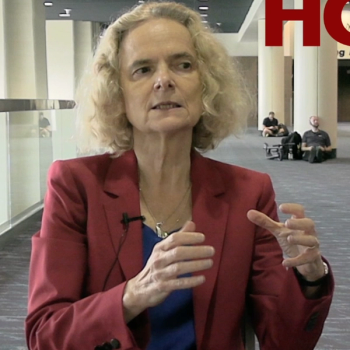
The director of NIDA discusses the interplay of substance use disorder and pain in patients, as well as means to assure patients are receiving evidenced-based treatment.
The director of NIDA discusses the interplay of substance use disorder and pain in patients, as well as means to assure patients are receiving evidenced-based treatment.
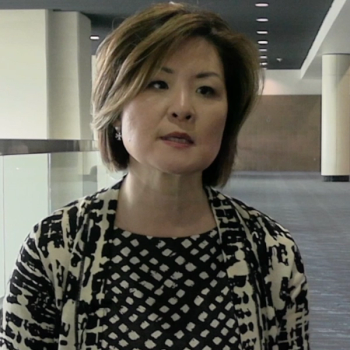
Lois Choi-Kain, MD, MEd, discusses the unique presentations of disease and burdens of care that impact younger patients with BPD.
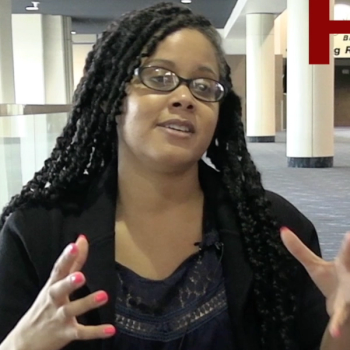
The modern psychiatrist may play many roles, including as a mentor and a facilitator to social-based support.
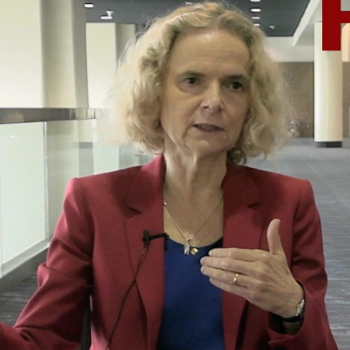
The NIDA director reviews neuromodulation's potential role in treating patients with multiple use disorders, and the importance of patient feedback in shaping clinical research.

Rachel Talley, MD, discusses the industry-level changes needed to trainee recruitment and retention to create a psychiatry field more representative of its patient population.
With administration strategies for the psychiatric anesthetic drug well established, clinicians have interest in accumulating long-term data and other potential indications.
Brent Forester, MD, MSc, discusses the confluence of biomarker and disease-targeting therapy in Alzheimer's, and the need to appropriately introduce these tools.
The director of NIDA discusses the unprecedented impact of the pandemic on overdose deaths—and how substance use disorder care may still reach greater capability when all is said and done.
Dementia and Alzheimer's disease cases are anticipated to boom in coming decades. One expert stressed the need for improved screening and facilitation of care at the earliest stages and signs.
The lead author of treatment recommendations weighs in on their current use and future research.
Amid significant psychotherapy innovation and consideration to broader aspects of mental illness definition, Jonathan Alpert, MD, PhD, emphasizes the need for improved clinical trial standards.
New phase 3 data presented at APA 2022 support the agent as an adjunctive in older patients without benefit from monotherapy antidepressant medication.
Montefiore psychiatry chair Jonathan Alpert, MD, PhD, discusses suggested updates to the DSM-5—with consideration to social determinants and patient-reported functioning.
Linda Chokroverty, MD, discusses the significance of timing, communication and care coordination when children are affected by disasters or trauma.
APA president-elect Rebecca W. Brendel, MD, JD, discusses the need to prepare for a "twin mental health pandemic" while continuing to appropriately facilitate innovations in psychiatric care.
Anita Clayton, MD, reviews the available phase 2 and 3 clinical data for the novel, once-daily oral investigative drug.
Linda Chokroverty, MD, discusses the role psychiatrists play in managing the mental health effects of disasters, and how children specifically may be impacted.
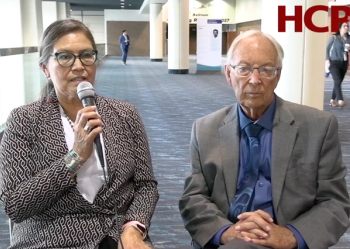
A pair of psychiatrists discuss how climate change and other social determinants of health are affecting the mental wellbeing of indigenous people.

It takes even more than a village to provide the comprehensive care needed for aging, neurocognitive patients, says Rajesh R. Tampi, MD, MS.

A 6-year mirror analysis of risperidone, once-monthly paliperidone palmitate or once-monthly aripiprazole concludes suggesting the regimens may serve as an alternative to clozapine.

Rajesh R. Tampi, MD, MS, discusses the evolved definition of dementia as a cognitive disorder, and how its spectrum of symptoms impact clinical development.

A recent JAMA study shows a decrease in suicide deaths between 2019-2020, despite a 17% overall increase in mortality.

Approximately 30% of schizophrenia patients do not respond to their first treatment.

Andrew J. Cutler, MD discusses new research into the efficacy and safety of a D-ATS treatment in children with ADHD.

Clozapine is considered the gold standard of schizophrenia treatment.
Education could be the best resource in increasing prescription rates for clozapine.

Data show zolpidem use in 8-week insomnia trial reduced suicidal ideation in patients, even after trial randomization ended.

New data show high rate of depressive symptoms in patients with NTFE schizophrenia.

Impaired reward processing could influence the presentation of sleep disturbances for patients with ADHD.

Adults often do not suffer from the symptoms of hyperactivity in ADHD.