
John Greden, MD, discussed the challenges physicians face in diagnosing, identifying, and treating depression, and the populations that are still severely underserved.
John Greden, MD, discussed the challenges physicians face in diagnosing, identifying, and treating depression, and the populations that are still severely underserved.
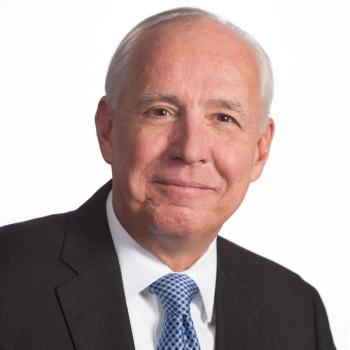
Darrell Kirch, MD, spoke at the APA’s annual meeting about the impact physician burnout has had and what can be done to address it and to improve clinician well-being.

Mayumi Okuda, MD, talked about what clinicians need to be doing and aware of in the identification of patients experiencing intimate partner violence.

Firearm use in the not guilty by reason of insanity population is more closely related to substance use and personality disorder than psychotic or mood disorders.

The associated PTSD comorbidities represent a significant public health problem that’s concomitant with increased disease burden and mortality.

The use of electroconvulsive therapy in patients with bipolar depression resulted in higher remission rates while showing similar response rates to unipolar major depression.
The algorithm is intended to help prevent mistakes caused by a slew of issues, from burnout at the end of a long day to overconfidence in decision-making.
Dr. Kiki Chang sits down with MD Magazine and talks about the latest data on lurasidone.
Leading eating disorder expert Evelyn Attia, MD, sat down with MD Mag at the American Psychiatric Association meeting to talk about the correlation between obesity and eating disorders.

Telepsychiatry shown to be viable alternative in rural areas with limited access.
Transcranial Magnetic Stimulation (TMS) is getting good results as an adjunctive therapy for patients with major depression who have failed on several antidepressant medications.
Dr. Melissa Arbuckle explains what neuroscience is and why every practicing psychiatrist should have an understanding and appreciation for this branch of science.
Dr. Stanley Caroff, Emeritus Professor CE of Psychiatry at the Philadelphia VA Medical Center, sits down with MD Magazine to explain what tardive dyskinesia is, and why it's so important for psychiatrists to be aware of this side effect in their patients taking antipsychotic medications. This is the conclusion of a two-part conversation.
The APA lecture focused on a model with detail to game theory.

Study examined the impact of incidents of adversity experienced in childhood.
Autism inked to maternal lifestyle, especially dietary factors impacting glucose.
Delirium-catatonia has been successfully treated with NMDA antagonists.
Cyberbullying exacerbates existing mental health conditions among adolescents.
For people who may not know what borderline personality disorder is or have questions about what can be done to help these patients a new effort is being made to raise awareness about this difficult condition.

The Nazi criminals' crimes against humanity continue to stun psychiatrists. Was there a neurological defect involved?

Modern medicine focuses too much on extending life and too little on making sure that's the kind of life patients want. Using conversational skills like those of psychiatrists, that can change for the better.
Do patients diagnosed with anxiety disorder experience a greater burden of metabolic disorders such as diabetes and hyperlipidemia?

Although Lyme disease typically impacts the skin, joints, and heart, it can also cause a variety of neurologic and psychiatric complications for which there are no current treatment guidelines.
Patients with schizoaffective disorder who were treated with paliperidone palmitate (as monotherapy and adjunctive therapy) experienced delayed time to relapse and reduced risk of relapse compared to patients treated with placebo.
Adult patients with binge eating disorder who were treated for 12 weeks with lisdexamfetamine dimesylate reported having 4 fewer binge days per week, and also experienced improvements in weight and triglyceride levels.
Patients in a trial of a first-in-class medication for the treatment of female sexual dysfunction reported improvement in overall sexual function, including an increase in the number of satisfying sexual events, and a concomitant decrease in distress levels associated with sexual dysfunction.
Study results presented at the 2014 annual meeting of the American Psychiatric Association show that a reduced dosage of the antidepressant vilazodone is as effective as the currently approved dosage.

Study results presented at the 2014 APA annual meeting show patients treated with vortioxetine significant improvement in composite cognition scores compared to patients treated with placebo, independent of the drug's effect on their depression symptoms.
Results from a six-week study show patients with major depressive disorder treated with brexpiprazole had significantly reduced risk of akathisia and other side effects.
How does video teleconferencing compare to face-to-face visits in the eyes of parents of psychiatric patients?