
The majority of patients with a treatment gap longer than 12 weeks had worsening visual acuity, notes a new ARVO study.
The majority of patients with a treatment gap longer than 12 weeks had worsening visual acuity, notes a new ARVO study.

The SGLT-2 inhibitor, generally used for cardiometabolic and cardiovascular risk reduction, may provide similar benefits for the ophthalmic disease.

More research is needed to fully understand the associations with different types of strabismus

Patients with diabetes mellitus have the highest odds of being diagnosed with an undetected eye disease.

An expert discusses his interest in a pair of macular degeneration and diabetic macular edema treatments that may provide less burden and consistent efficacy in patients.
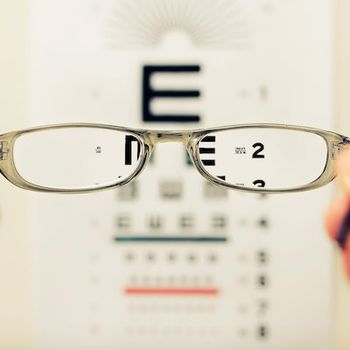
A new CDC study shows the link between poor vision and heart disease is not just limited to cardiovascular events.

Allen Ho, MD, discusses the Protocol W outcomes and what they indicate for prescribing ophthalmologists.

The PACIFIC study is currently evaluating health care management practice with intravitreal ranibizumab 0.5 mg for various ophthalmologic diseases.

An ARVO 2021 study characterizes patients with diabetic retinopathy who have also developed diabetic macular edema.

New research shows patients with both conditions have greater levels of particular cytokines and metabolic proteins.

After promising early findings for the investigative therapy in a rare form of blindness, investigators turn to the next phase.
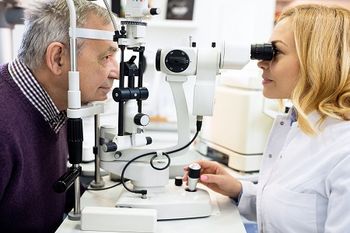
New research from ARVO 2020 suggests patients with diabetic eye disease can still experiences losses in visual acuity, even with glycemic control.

A survey of 19 patients with hereditary retinitis pigmentosa details the impact of the disease on the quality of life and daily activity of patients and caregivers.

Gauging patient wellbeing prior to intravitreal injections may help inform clinicians as to who may fare worse with the treatment.
A breakdown of a new 12-month, phase 1b/2 assessment of the RNA therapy in patients with LCA10.

A new assessment shows about 60% of treatment-naive patients are not prescribed the most common drug class within 1 year of secondary edema.

New research suggests the presence of either condition can wreak havoc on an older adult's ability for movement, self-care, and household activities.

A new AI model from the New York Eye and Ear Infirmary of Mount Sinai boasts 99.2% accuracy for diagnosing intermediate or late AMD.

Discussing the results of a study examining impact of vitamin D and homotaurine supplementation on early to intermediate age-related macular degeneration.

Fortified vancomycin causes antibiotic resistance and corneal toxicity.

Rishi Singh, MD, discusses differences in disease activity noted among nAMD patients enrolled in the pivotal HAWK and HARRIER trials.

Discussing what data from fellow eyes of a 3-year study tell us about disease course of non-infectious uveitis of the posterior segment with an assistant professor from the Cole Eye Institute.

Male sex and younger age are also risk factors for premature stent extrusion.

A Q&A with the medical director of clinical ophthalmology with Genentech about the humanized monoclonal antibody in treatment of NMOSD.
Discussing the impact of high-intensity statin therapy on patients with dry AMD with a study investigator from Byers Eye Institute.

Daniel Kiernan, MD, discusses the results of a study examining dexamethasone intracameral drug-delivery suspension compared with topical corticosteroids for inflammation following vitreoretinal surgery.

Investigators are evaluating the safety and tolerability of an optogenetic treatment combining a gene therapy and a medical device.

Discussing the latest data from Adverum Biotechnologies related to ADVM-022 and the ongoing phase 1 OPTIC trial with the trial's principal investigator.
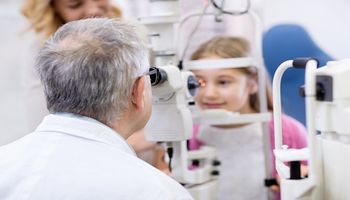
Research from ARVO 2020 suggest a 4-minute educational video could more than double compliance with patching in pediatric patients with ambylopia.

Discussing how end of study results from the phase 2 LADDER trial inform clinicians on the use of PDS with ranibizumab.