

After training the EyeArt system on thousands of images of eyes with diabetic retinopathy, investigators tested the AI in a clinical trial.
After training the EyeArt system on thousands of images of eyes with diabetic retinopathy, investigators tested the AI in a clinical trial.
With 8.5% of the global population having diabetes, there is a growing unmet need for diabetic retinopathy screening. Artificial intelligence may help close the gap.

Aflibercept not only significantly improved patients’ DRSS scores, but it also reduced vision-threatening complications by 75% compared to placebo.
The trial examined 2 doses of aflibercept versus sham in patients with good visual acuity and no center-involving diabetic macular edema.

Investigators reported improvements in BCVA and in central subfield thickness, but noted decreases in superficial and deep capillary density.
A recent study found that early intervention before vision loss does little for patients compared to those who do not receive preemptive treatment.
PANORAMA is the first prospective study of high-risk patients with non-proliferative diabetic retinopathy, but not DME, in the anti-VEGF era.

After analyzing information from a cohort of more than 380,000, investigators found an association between chronic illnesses and visual impairment.

Approximately half of all patients with diabetes suffer from keratopathy, yet diagnoses are still underwhelming. Annual screenings need to become more standard.

Jason Hsu, MD, and his colleagues at the Wills Eye Hospital presented a study at ARVO 2019 regarding short-term outcomes of patients, with nAMD, who switched from afliberecept to ranibizumab.

Mia Woodward, MD, discusses the future of telehealth in ophthalmology and the biggest issues that need to be corrected going forward.
Researchers are using hi-def retinal and neuroimaging techniques to elucidate the relationship between pathology in layers of the retina and downstream brain alterations.
Following the novel gene-editing tech's approval for the treatment of cancer last year, researchers at Roski Eye Institute are exploring its potential to treat ophthalmic disease.
Nanophotoswitches have demonstrated promising results in rats. Will they one day improve transduction in damaged eyes, and restore lost vision in humans?

The burden of ophthalmic disease is rising. How can ophthalmologists rise to meet it?

Intravitreal aflibercept injection showed early signs of activity for patients with moderately severe to severe nonproliferative diabetic retinopathy.

75% of patients with newly-diagnosed, treatment naïve DME received no treatment within 1 year of diagnosis.

The novel immune-based treatment IMCgp100 demonstrated a 1-year survival rate of 73% for patients with heavily pretreated, advanced uveal melanoma.

Voretigene neparvovec demonstrated sustained improvements in vision for patients with biallelic RPE65-mutation–associated inherited retinal disease.

Outcomes for patients with nAMD in the real-world were inferior to randomized controlled trials due to significant undertreatment.

Researchers hypothesized that making eye care screens free also reduced perceived value of the services.

An automated artificial intelligence-based system was approximately 70% accurate at predicting optimal retreatment intervals for nAMD.
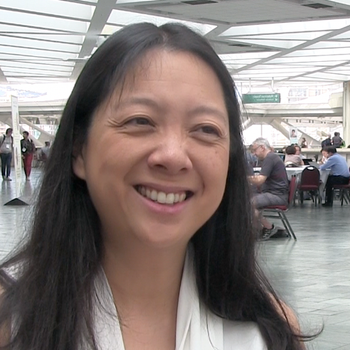
The majority of eyes treated in the DRCR Protocol S study had resolved, stable or improved NV at each follow-up visit.

Brolucizumab, which could be given every 12 weeks, showed non-inferior improvements in BCVA when compared with aflibercept every 8 weeks.

Use of a 0.18 mg fluocinolone acetonide intravitreal insert effectively lowered the rate of uveitis recurrences and cumulative total recurrent episodes.
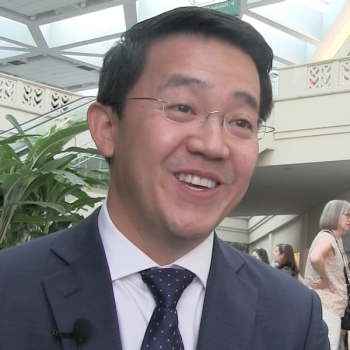
The algorithm identified PPL-HMA in 20% of eyes and was associated with a 2-3 fold increased risk of DR progression, development of PDR and receipt of intravitreal injections over 4 years.

The deep learning algorithm was tested on 71,000 images, and offers the potential to significantly increase the speed at which DR can be identified.
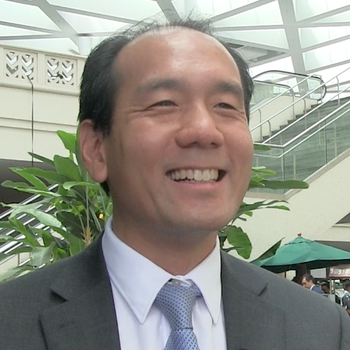
Eyes that received only anti-VEGF experienced significantly worse visual acuity from initial visit to final visit.

A fully automated artificial intelligence-based system could effectively classify function and potency of cell therapy.

Anti-VEGF and pan-retinal photocoagulation can be effective, but neither are "one-and-done" therapies. Physicians must be proactive about how they handle patients with PDR.