

Katherine Tuttle, MD, joins the podcast for a deep dive into the latest FLOW data from Kidney Week 2024.




Katherine Tuttle, MD, joins the podcast for a deep dive into the latest FLOW data from Kidney Week 2024.

Carla Nester, MD, discusses her perspective on the APPEAR-C3G 12-month data from ASN Kidney Week 2024.

The APPEAR-C3G trial’s 12-month data show Novartis’ iptacopan significantly reduced proteinuria in C3G, with sustained renal improvements and stable eGFR.
Hiddo Heerspink, PhD, PharmD, joins the podcast during Kidney Week 2024 to discuss the SMART trial and the potential of semaglutide in people with kidney disease without diabetes.
Neuen, Wadhwani, and Barratt discuss atacicept promise in IgA nephropathy based on phase 2b ORIGIN OLE results, at-home use, and the future of kidney disease care.

New ORIGIN trial data show atacicept may slow kidney decline in IgA nephropathy to rates seen with healthy aging, with notable reductions in Gd-IgA1 and UPCR.

Refardt discussed findings from the largest hyponatremia trial ever conducted, including 2174 participants across 9 European centers.
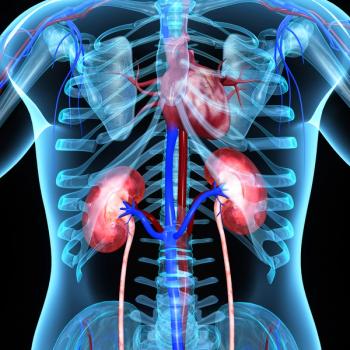
The dapagliflozin group had an average eGFR rate of -2.24 mL/min/1.73 m2 compared to -3.67 mL/min/1.73 m2 in the control group after about 1.5 years of follow-up.

Richard Pratley, MD, discusses how FLOW mortality data informs the use of semaglutide in patients with chronic kidney disease and type 2 diabetes.

Participants receiving semaglutide had an overall hazard ratio of 0.76 in the composite primary outcome of kidney failure, serious eGFR decline, or death compared to placebo.
Carla Nester, MD, provides perspective on the results of the VALIANT trial and how it informs the role of pegcetacoplan in C3G and IC-MPGN .
VALIANT trial data support pegcetacoplan as the first effective therapy for proteinuria, C3c staining, and eGFR stability in C3G and IC-MPGN patients.

Herrington shared the carryover effects observed in the post-trial follow-up of the phase 3 EMPA-KIDNEY trial.

Yee discussed how the data show a benefit in this hard-to-treat population, similarly to the heterogeneous FSGS group.

Yale's KAT-AKI trial found personalized EHR alerts for AKI management improved clinician actions but didn't reduce progression, dialysis, or mortality rates in patients.

Zand discussed interim 12-month findings from an open-label, phase 2 trial currently ongoing for patients with refractory primary focal segmental glomerulosclerosis.

New research indicates semaglutide reduced albuminuria and body weight in CKD patients without diabetes, highlighting its potential renal benefits.
After discontinuing therapy, treated participants still had an overall 13% reduction in the risk of kidney disease progression or cardiovascular death.

New FINEARTS-HF data shows that finerenone reduces albuminuria in patients with HFmrEF or HFpEF, but without significant eGFR changes.
A posthoc analysis of the DUPLEX trial suggests patients with genetic FSGS may experience a more pronounced and sustained antiproteinuric response with sparsentan.
Overall, 8 of 20 patients had complete or partial remission of their FSGS.

RIVUR analysis suggests recurrent UTIs in children with VUR may lower eGFR, even without kidney scarring, especially in those with multiple febrile infections.

The data, which will be presented at a later time, may enable regulatory submission for accelerated approval to the FDA.
Jonathan Barratt, PhD, discusses his excitement surrounding data and programming at the American Society of Nephrology's Kidney Week 2024, with a focus on IgAN.
Kidney Compass: Navigating Clinical Trials is a multimedia podcast from HCPLive hosted by Brendon Neuen, MBBS, PhD, and Shikha Wadhwani, MD, MS, aimed at exploring the latest in clinical trials and updates in nephrology.
Preliminary data from the SPARTAN study were presented at ASN Kidney Week 2023, demonstrating sparsentan’s impact on proteinuria and total body water over time.
Disparities in nephrology were at the forefront of multiple sessions, presentations, and conversations at ASN Kidney Week 2023.

Check out perspective from a pair of ASN Kidney Week 2023 interviews with leading trialists discussing the evolution of cardiovascular-kidney-metabolic syndrome and how pharmacotherapy has propelled the growing recognition.

Results called attention to a greater risk of hospitalization among patients with CKD who exhibited depressive symptoms, regardless of treatment with dialysis.

Data presented at ASN Kidney Week 2023 highlighted the patient-reported difficulty of implementing physician-recommended lifestyle changes but noted significant impacts on physical health, mental health, and overall quality of life when done successfully.